There is a reason why the Japandi trend hasn’t faded away like so many other internet aesthetics. We aren’t just looking for “pretty” anymore. We are exhausted, overstimulated, and when we walk through our front door, we just want the noise to stop.
That is what Japandi actually offers. It is the intentional marriage of Scandinavian functionality and Japanese rustic minimalism. It isn’t just about beige walls or owning a bonsai tree; it is about creating a space that feels quiet. But the “Japandi” of 2020, which was often flat, sterile, and terrified of color, is evolving.
As we move deeper into this decade, we are seeing a shift toward “Modern Japandi.” It’s richer, has more contrast, and feels less like a clinic and more like a home you can actually live in. If you are ready to filter out the clutter and build a home that breathes, this is your blueprint.
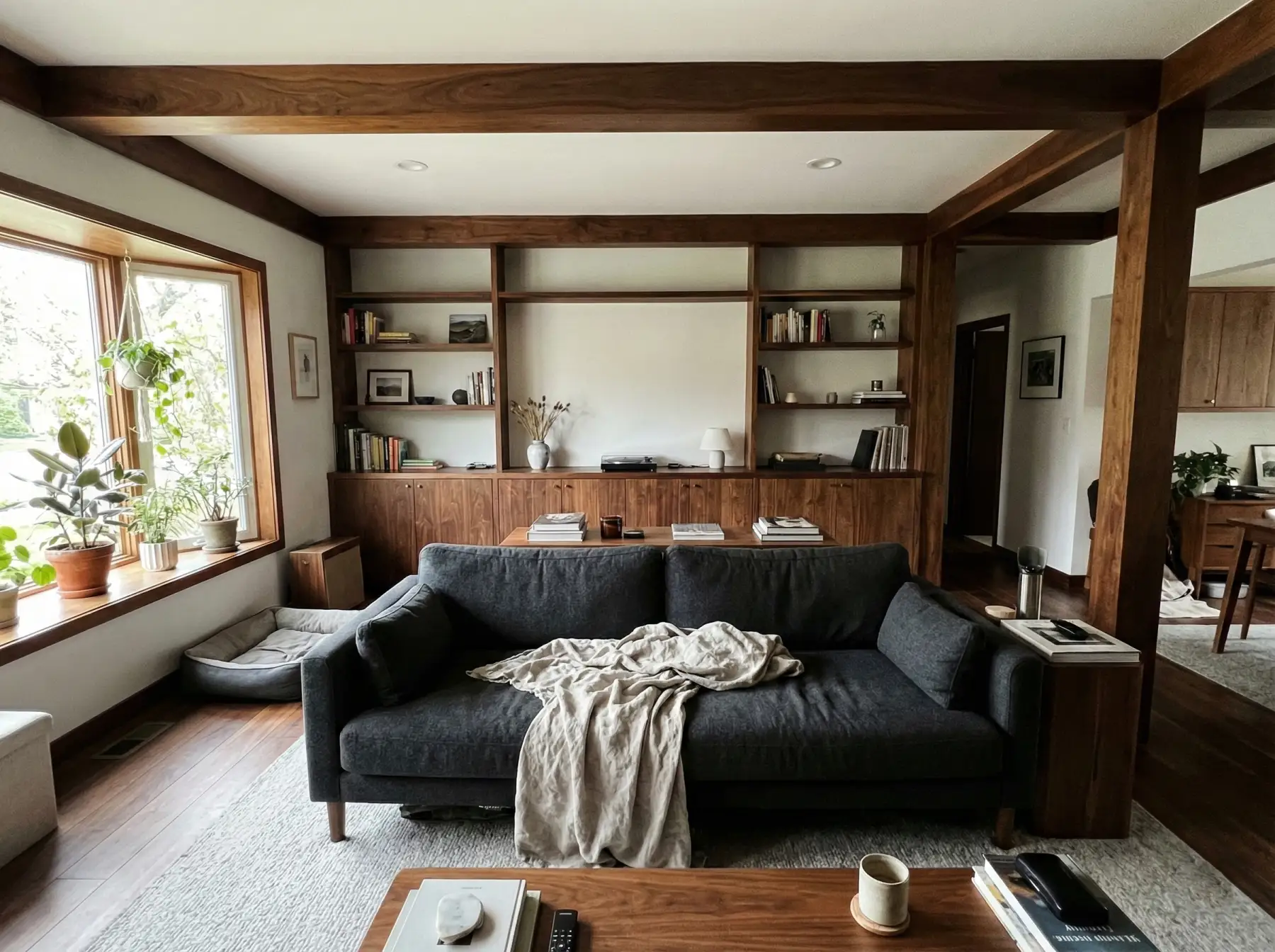
The Modern Japandi Palette (It’s Not Just White)
The biggest misconception about this style is that you have to paint everything stark white. Please, don’t do that. White can feel cold and clinical if it isn’t anchored by something substantial.
The evolved Japandi palette is grounded in earth and stone. We are trading the pale, unfinished pine of the past for deeper, moodier woods like walnut and stained oak. We are also bringing in “muddy” neutrals to create depth. Think mushroom greige, soft terracotta, and deep charcoal.
Texture Is the New Color
In a minimalist space, texture does the heavy lifting. Since you aren’t relying on bright patterns to catch the eye, your materials need to speak. I always tell my readers that if you can’t feel it, it doesn’t belong here.
Think lime wash walls that show the brushstrokes, slatted wood paneling that adds rhythm to a flat wall, and bouclé fabrics that invite you to touch them. These imperfections make the space feel human rather than manufactured.
The Living Room: Low Profiles & Open Flow
If you want that instant “zen” feeling when you walk into your living room, look at the height of your furniture. In Japanese interiors, life happens closer to the floor. Adopting low-profile furniture like sofas with short legs, low coffee tables, or floor cushions physically grounds the room.
It also tricks the eye into thinking your ceilings are higher. This makes the whole room feel airier.
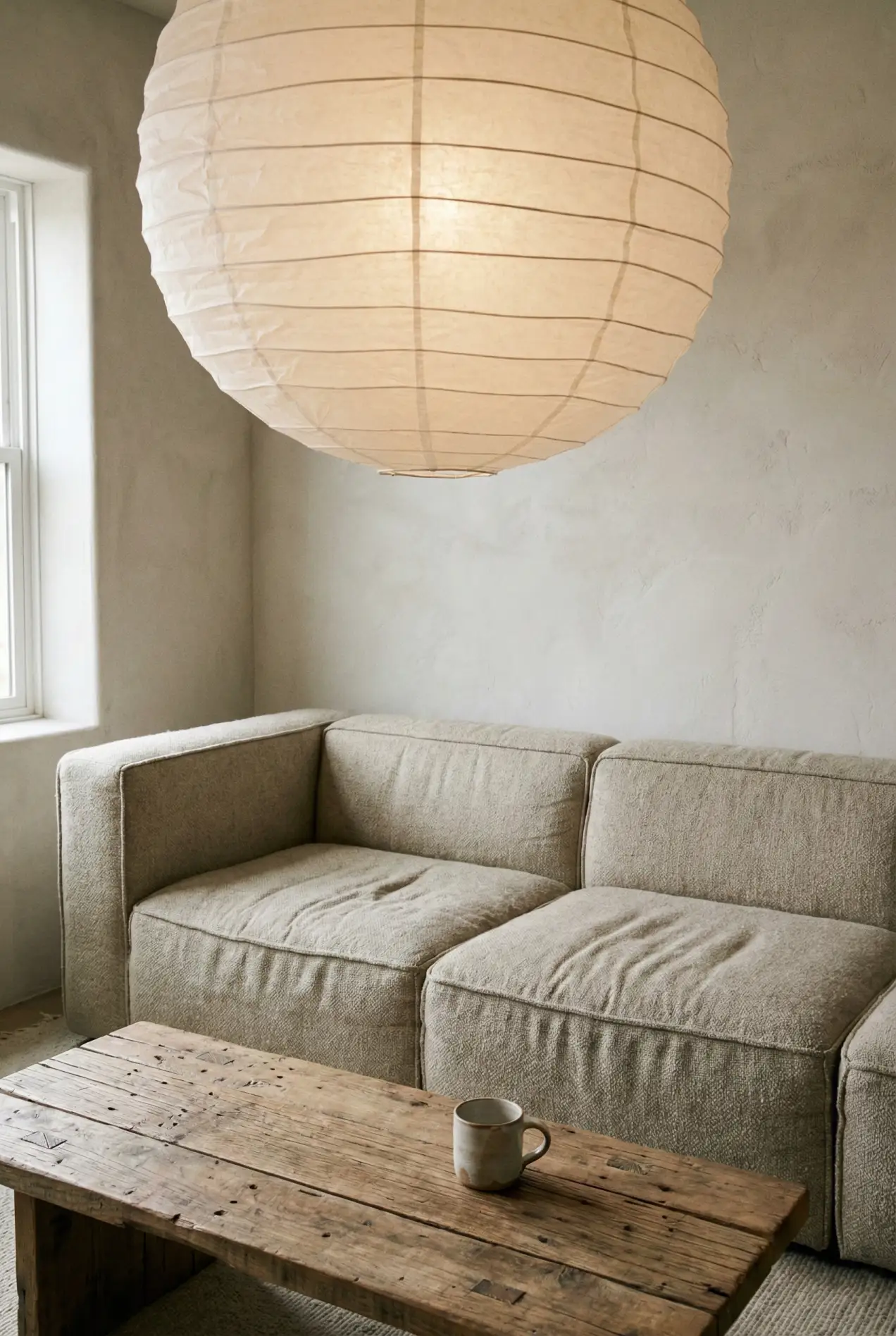
The “One Big Piece” Rule
Clutter is the enemy of calm. But instead of having nothing, try having one big thing. Instead of five small vases and a stack of books on your coffee table, choose one oversized, imperfect ceramic bowl. Visual silence is luxury, so give your eyes a place to rest.
The Kitchen: Warmth in a Functional Space
Kitchens are notoriously hard to “Japandi-fy” because they are work zones filled with appliances and gadgets. The trend right now, which I am absolutely loving, is the move away from high-gloss finishes.
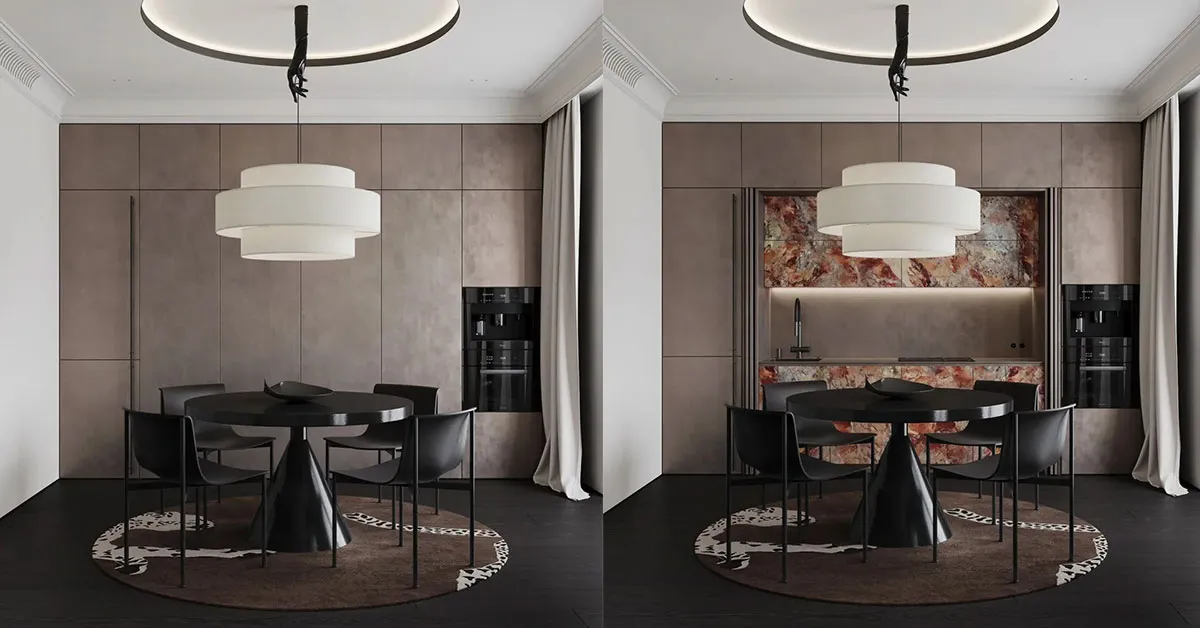
We are seeing a surge in Modern Japandi kitchens that embrace matte textures. Think matte black faucets, stone countertops with a honed (not polished) finish, and cabinetry that hides the hardware. If you can, opt for push-to-open cabinets or integrated handles to keep the visual lines unbroken.
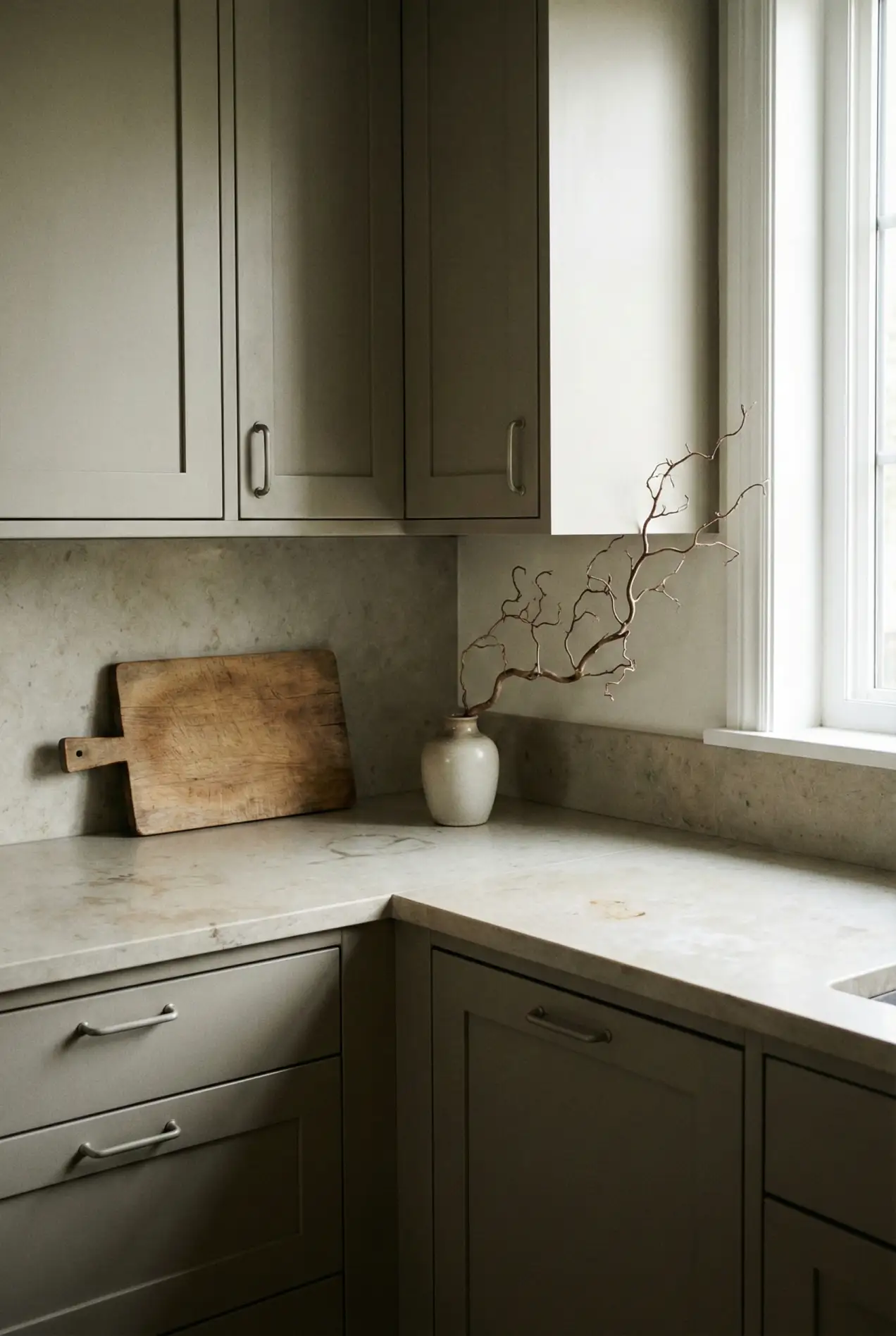
To keep it from feeling too industrial, bring in organic warmth. A large wooden cutting board leaning against the backsplash or a vintage runner rug can instantly soften the hard edges of appliances.
The Bedroom: Creating Your Sanctuary
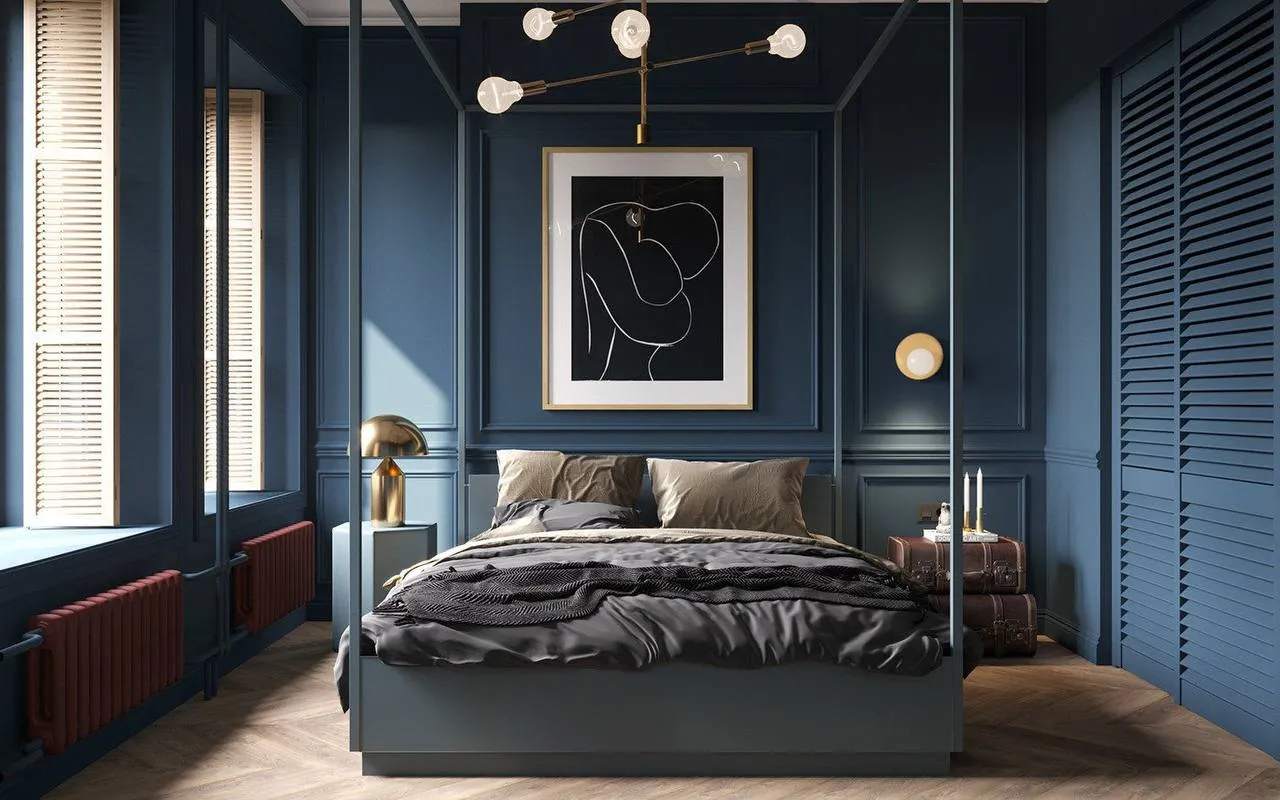
Your bedroom has one job: sleep. In the Japandi philosophy, this room should be the quietest space in the house, both visually and sonically. This means aggressively removing distractions (yes, including the TV) and focusing on layers of comfort.
The bed frame should be simple, perhaps solid wood or upholstered linen, and the bedding should be messy-perfect. We aren’t looking for hospital corners here. We want soft, washed linen that looks inviting.
If you are struggling with layout, lighting, or choosing the right bed frame to nail this look, I have written a deep dive specifically for this room.
For a complete breakdown on bedding, furniture, and styling specific to sleeping spaces, read our full guide on Japandi Minimalist Bedroom Ideas.
The Bathroom: Spa-Like Simplicity
You don’t need a renovation to get a spa vibe. Japandi bathrooms rely on decluttering the vanity and upgrading the touchpoints. Swap your plastic soap dispenser for a stone or amber glass one, and try rolling your towels instead of folding them flat.
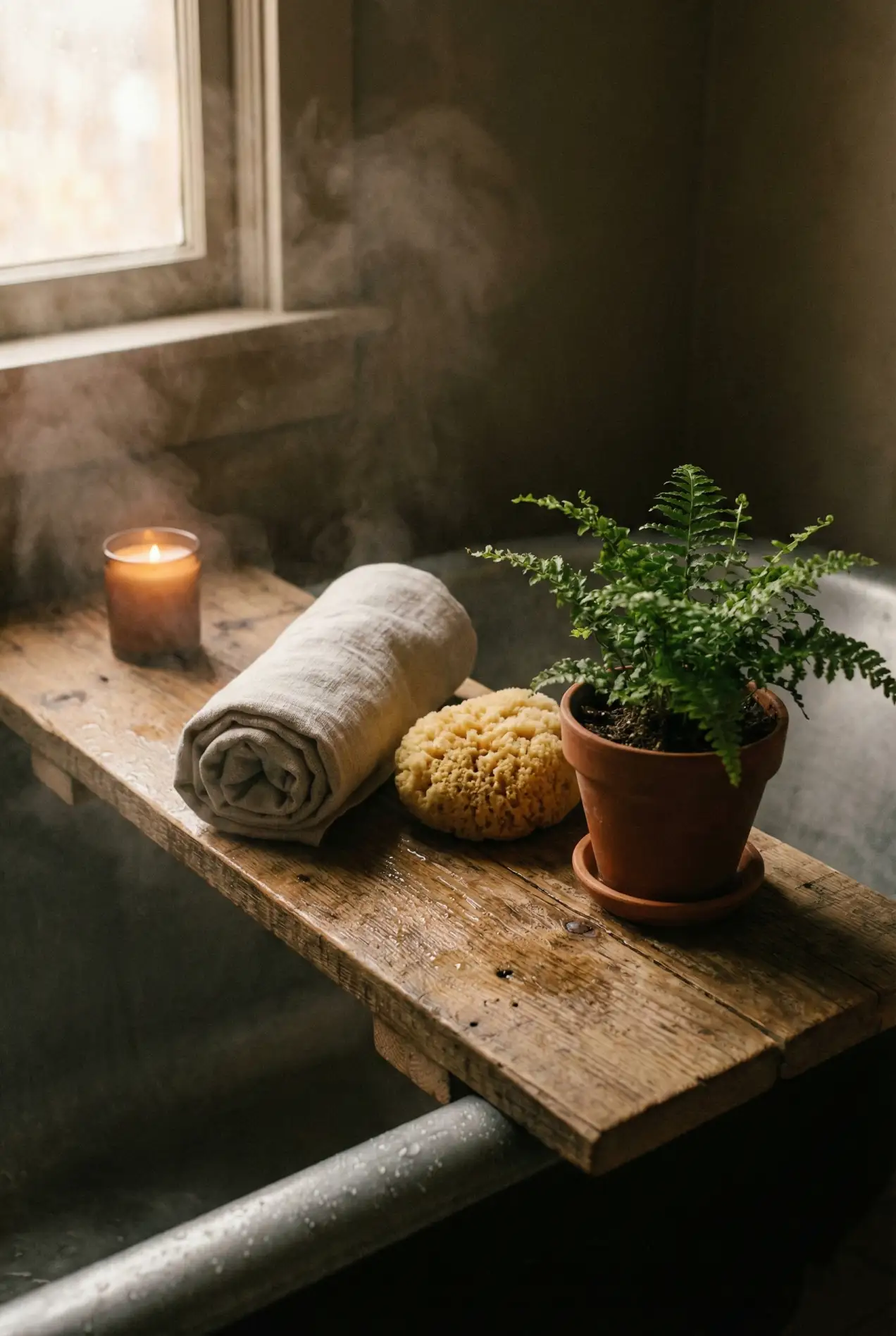
Bamboo accessories are a classic choice here. They handle humidity well and add that crucial wood element to a typically tiled room.
Styling Secrets: The “Wabi-Sabi” Element
If Scandi is the “clean” part of this hybrid, Japanese design brings the soul. This is where Wabi-Sabi comes in. It is the art of finding beauty in imperfection.
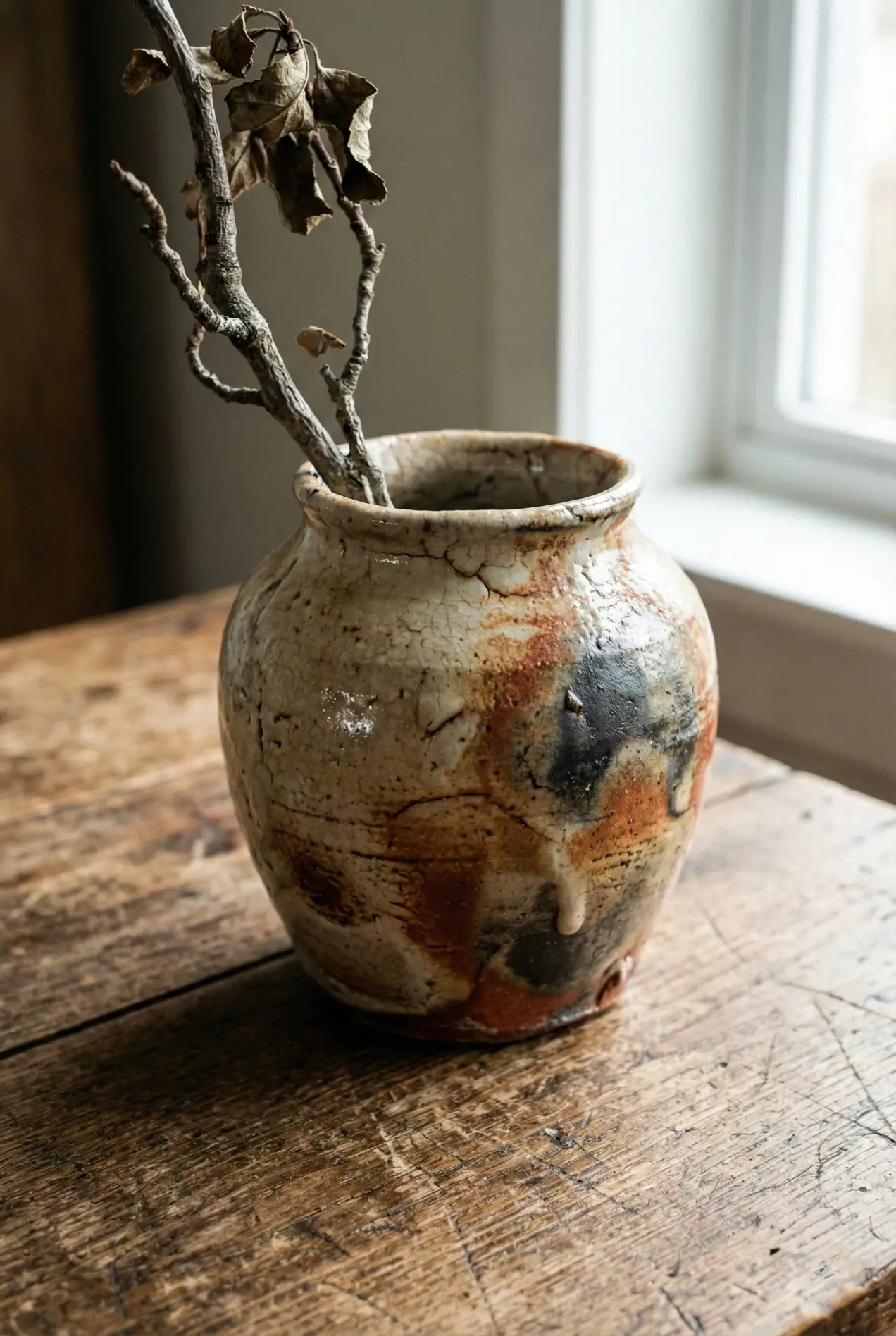
A machine-made vase is fine, but a handmade ceramic pot with a slightly uneven rim is better because it tells a story. When you are styling your shelves, look for objects that feel rough, aged, or natural. Dried branches, weathered stones, or vintage wooden stools add a layer of history that new furniture simply cannot replicate.
Questions for Practical Decisions
Is Japandi design expensive?
It can be, but it doesn’t have to be. Because the style relies on “fewer, better things,” you actually buy less. You can also thrift for vintage wood pieces or use DIY techniques like lime washing to upgrade generic furniture. The look is about simplicity, not a price tag.
Can I mix Japandi with Boho style?
Yes, this is often called “Japandi Boho.” The key is to keep the neutral color palette of Japandi but introduce the textiles (rugs, pillows) and plants typical of Boho. Just be careful not to over-clutter and keep the layout open.
What if I can’t replace my flooring?
If you have dark floors, you are already halfway to the “Modern Japandi” look. Just use lighter rugs to create contrast. If you have generic rental tiles, large jute or wool area rugs are your best friend to cover the visual noise and add texture.