Maximalism gets a bad rap because most people try to do it like this: buy a bunch of bold stuff, scatter it everywhere, and hope it magically looks “collected.” That is how you get chaos.
Maximalist decor without chaos is different. It’s layered, personal, rich with pattern and texture, but it still feels intentional. The secret is not owning fewer things. It’s giving your things a system to live inside, so the room reads curated instead of crowded.
The 4 rules that keep maximalist decor from turning messy
Rule 1. Pick a color story first (even if you love every color)
Before you mix patterns, decide what “belongs” in the room. Choose one anchor color, one supporting color, and one neutral you can repeat. Your anchor might show up in a rug, a sofa, or a big art piece. The supporting color can live in pillows, lampshades, and smaller decor. The neutral is what keeps the room from feeling loud all day long.
If you want that cozy, lived-in feeling, the fastest shortcut is repeating the same 2–3 tones across different materials. The room can still be maximalist, but your eye understands it as one story. If you want a practical mindset for this, start here: Lived-In Interiors: How to Get the Cozy, Collected Look (No Clutter). That “editing” approach is the backbone of a space that looks styled but still livable.
Rule 2. Give patterns a job (anchor, bridge, accent)
Pattern is where maximalist rooms either look expensive or fall apart. The fix is simple: stop treating every print like a star. You want a hierarchy.
Think of your patterns as roles. The anchor is the biggest, boldest pattern that sets the mood. The bridge repeats the color story but with less intensity. The accent adds personality in small doses. When each pattern has a job, the room feels collected instead of chaotic.
Rule 3. Build visual rest on purpose
Maximalist decor still needs negative space. That can look like a plain wall behind a gallery cluster, a solid-color sofa under patterned pillows, or one clear surface that stays mostly open. This is what makes the bold parts look intentional instead of frantic.
If you struggle with leaving space, borrow restraint from minimalism and use it as structure, not as a style switch. This helps: How to Achieve a Minimalist Apartment Aesthetic (the Cozy Way). You’re not trying to live in a blank room. You’re stealing the breathing-room trick so your best pieces can shine.
Rule 4. Cluster objects. Don’t sprinkle them.
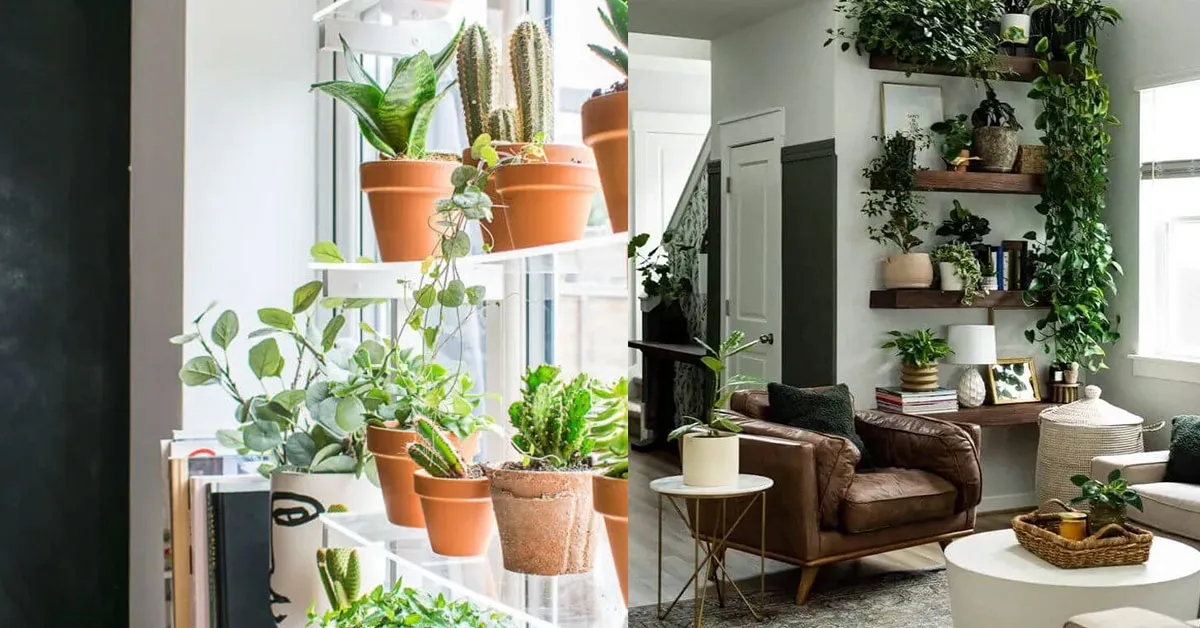
Collected look decor works when it’s grouped. Chaos happens when the same type of item shows up in tiny, unrelated moments all over the room. Instead, make a few strong clusters: a tray moment, a shelf moment, a wall moment. Fewer clusters, stronger impact.
A good test is distance. Step back and ask: does this read as three or four intentional “scenes,” or does it read like lots of little decisions that never landed? Clusters make your room feel finished, even when it’s full.
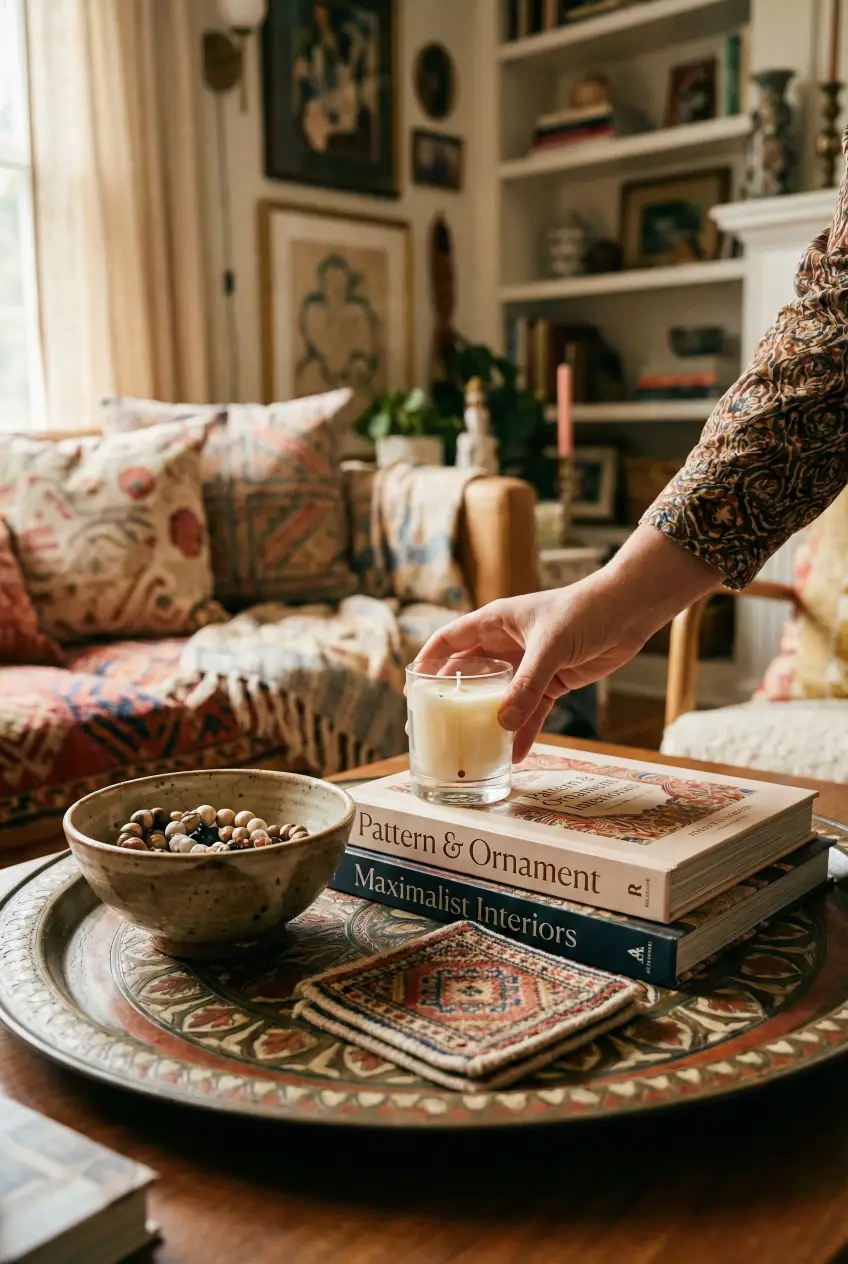
How to mix patterns without chaos
If you searched for how to mix patterns, you’re probably not asking for permission to be bold. You’re asking how to be bold and still look put-together. Here’s the method that works in real homes.
- Start with scale, then add contrast
Choose one large-scale pattern as your anchor. This is often a rug, wallpaper, or a statement fabric on an accent chair. Then add one medium-scale pattern that shares at least one color with the anchor. Finally, add a small-scale pattern that behaves like texture, something like a tight stripe, a dotted print, or a subtle geometric.
The mistake is stacking three loud, medium-scale patterns that all demand attention. When the scale changes, your eye has a path. When the scale stays the same, your eye fights the room. - Repeat one detail so the room feels intentional
Repetition is what makes pattern mixing look curated. Repeat one color across at least three places, like a shade of green in the rug, a pillow, and a piece of art. Or repeat one shape language, like rounded florals echoed by curved frames. You’re not trying to match. You’re trying to create a quiet “yes, these belong together” signal.
- Use solids as your pause button
Solids are not boring in maximalism. They are the pause button. If your rug and pillows are patterned, a solid sofa can be the smartest move you make. If your wallpaper is bold, solid bedding can make the whole room feel intentional instead of overwhelming. This is how you get maximalist decor without chaos, even when your pieces are dramatic.
The “Looks Expensive” formula for maximalist rooms
If you want maximalism that reads elevated, not cluttered, use this formula:
- One statement pattern (big and confident).
- Two supporting patterns (smaller, calmer).
- Three textures (think: velvet, wood, ceramic, woven, metal).
- One strong negative-space zone (a calm wall, a clear surface, a solid furniture block).
It’s not about having less. It’s about reducing visual arguing.
Room-by-room: how to do maximalism without chaos
Living room: layer bold without losing the plot
The living room is the easiest place to start because it’s already made for layers. Do it in this order:
- Start with the anchor: rug or sofa first. If both are loud, pick one to be the star.
- Add the medium pattern: curtains, a patterned chair, or a throw.
- Finish with small pattern + texture: pillows, lampshade, art mats, baskets.
Pro tip: stripes are your friend in maximalism. They add structure to a busy room, especially when your other patterns are organic or floral. If you’ve been seeing more playful stripes and sculptural shapes lately, you’re aligned with what Pinterest is forecasting for 2026, but you still want to apply it with restraint so it reads grown-up, not theme-y.
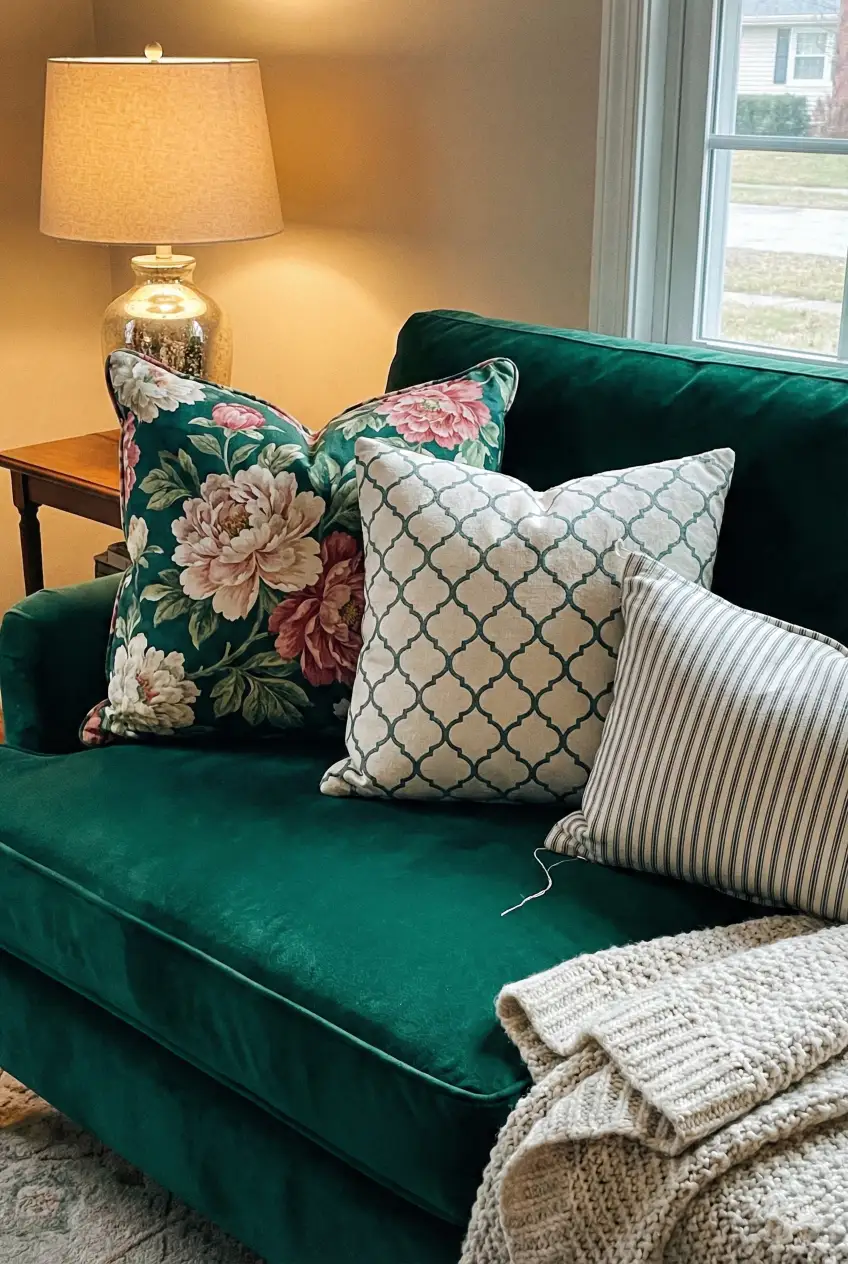
Bedroom: maximalist, but still restful
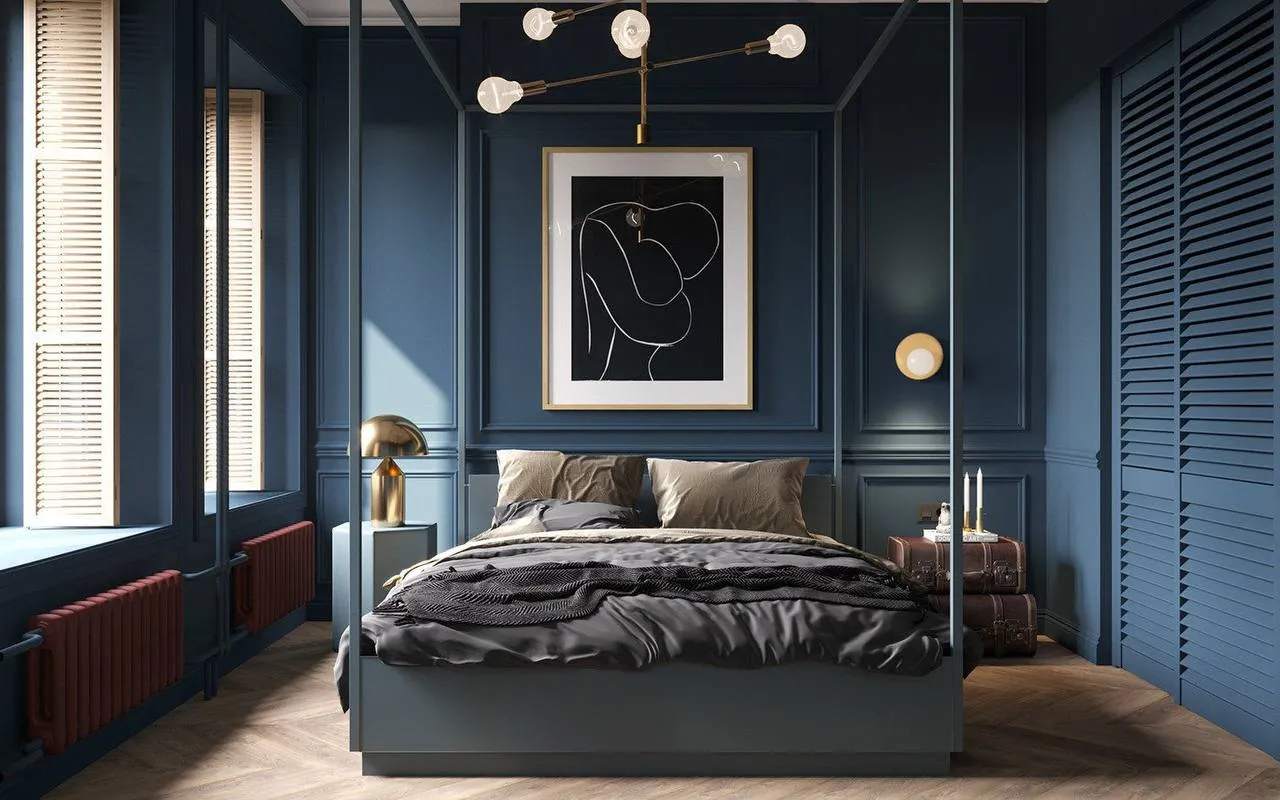
A maximalist bedroom should feel cozy, not energized. Keep the boldness concentrated around the bed.
- Choose one hero moment: patterned bedding, a bold headboard, or wallpaper behind the bed.
- Keep the rest calmer: solid curtains, simple nightstands, minimal pattern on the floor.
- Use texture to add depth: quilted throws, velvet pillows, woven baskets.
If you like moody maximalism, lean into deep tones and layered lighting. This is a good style cousin for vibe references: Moody Wuthering Heights Aesthetic: The 2026 Home Style.
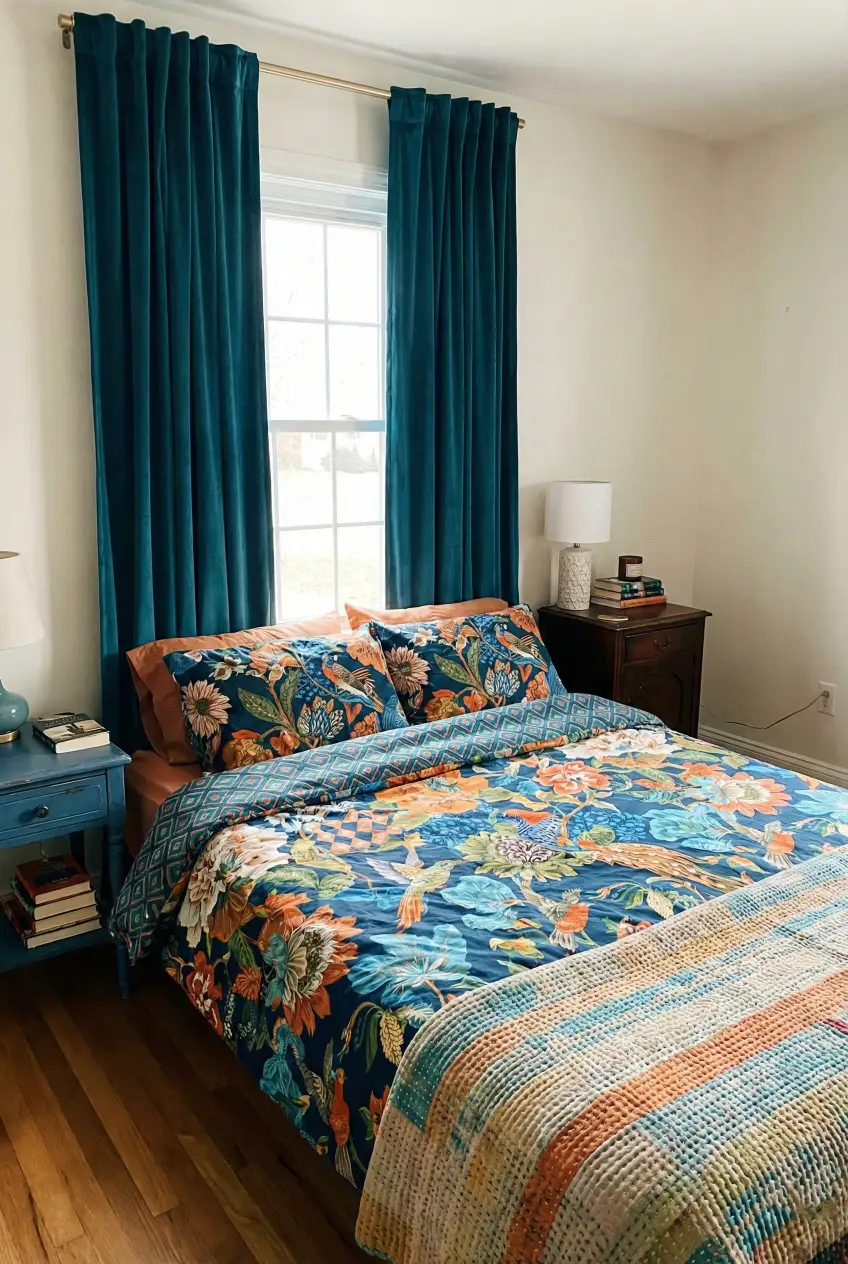
Entryway: small space, strong story
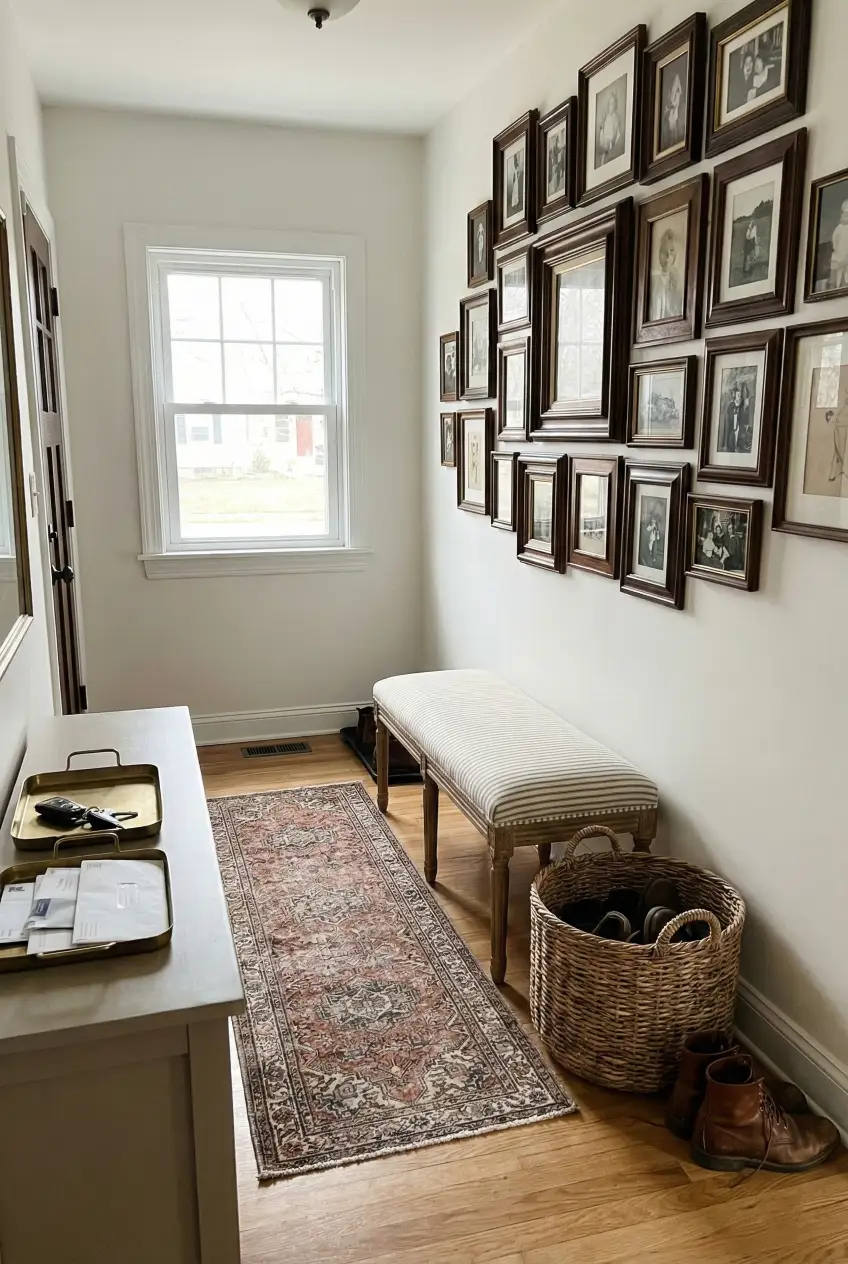
Entryways are perfect for controlled maximalism because they’re short experiences. You don’t live there all day. Make it feel intentional:
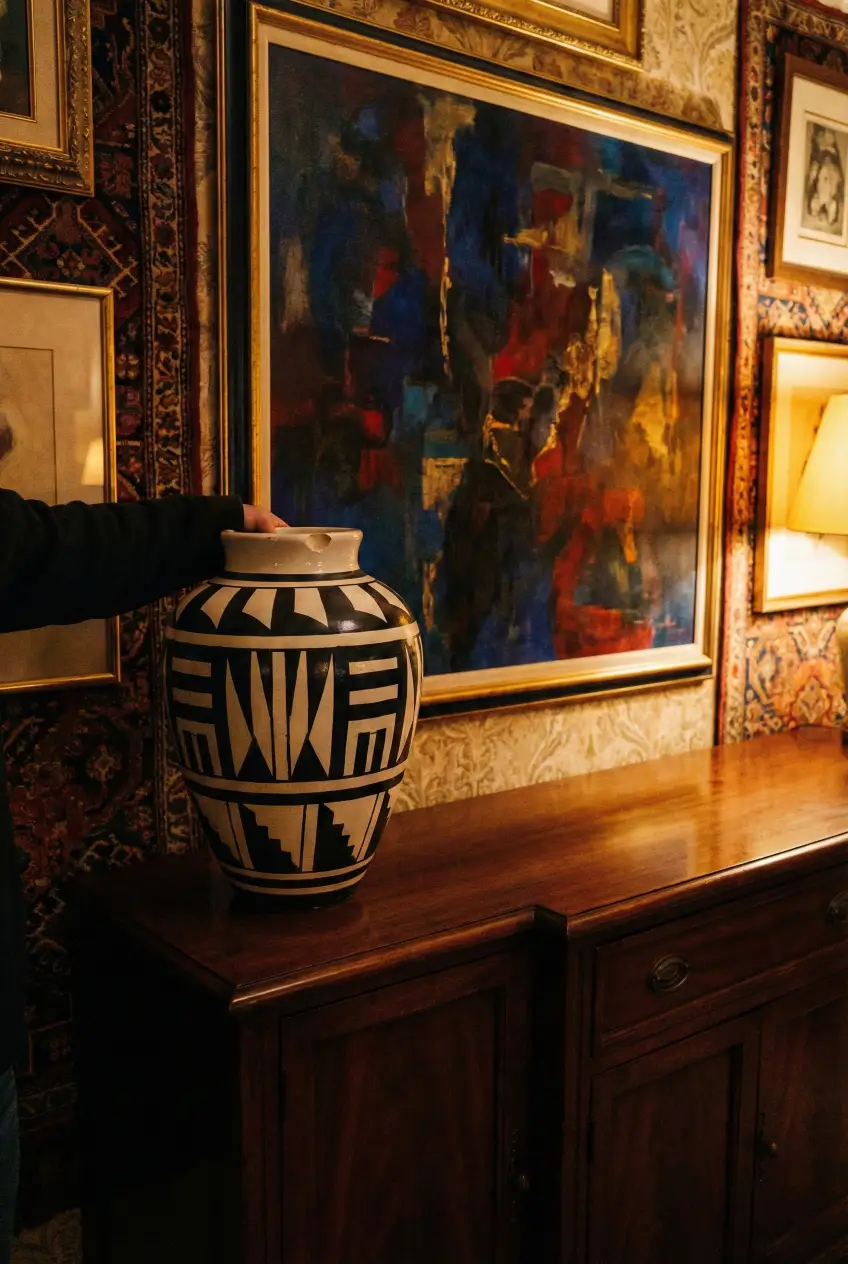
- One statement wall: a small gallery cluster or one oversized piece.
- One pattern touch: runner rug, wallpaper panel, or patterned bench cushion.
- One containment zone: a tray, bowl, or basket so life looks styled, not scattered.
Home office: keep the energy, protect your focus
In a workspace, you want personality without distraction. Put pattern where it reads as background, not visual noise.
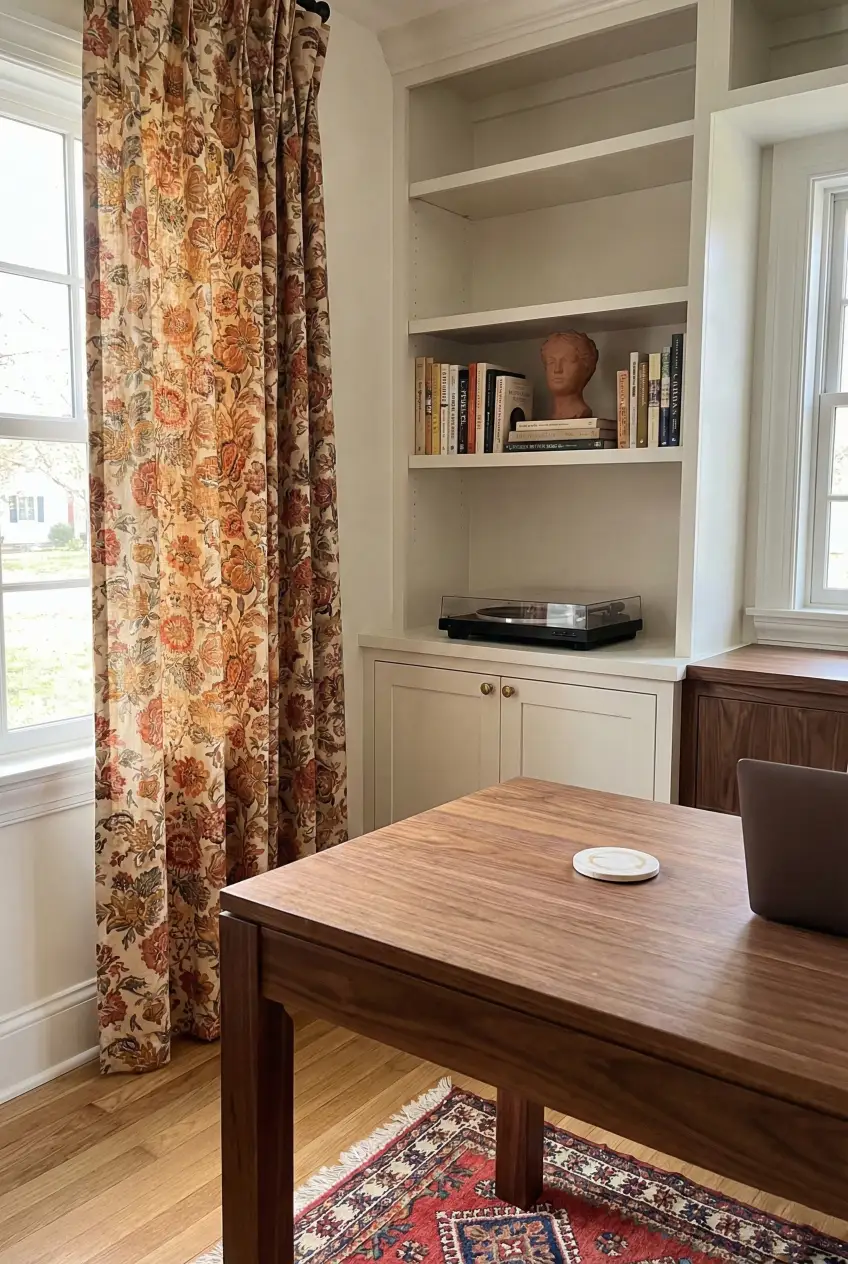
- Pattern on textiles: chair cushion, curtains, small rug.
- Solid on the big shapes: desk, storage, main walls.
- One styled shelf cluster: books + one sculptural object + one framed print, then stop.
Common maximalism mistakes (and the fast fixes)
Mistake: everything is a “statement”
Fix: pick one hero per room. Everything else supports it.
Mistake: too many patterns at the same intensity
Fix: keep one bold, one medium, one small. Add texture instead of adding a fourth loud print.
Mistake: decor is everywhere, but nothing feels finished
Fix: switch from sprinkling to clustering. Make three strong moments and give the rest of the room space to breathe.
Budget-smart maximalism that still looks curated
- Use paint as your anchor: one saturated wall color can make thrifted pieces look intentional.
- Swap covers, not furniture: pillow covers and throws are the cheapest pattern playground.
- Frame prints consistently: mismatched art looks expensive when the frames share a finish or mat color.
- Shop one “category” at a time: this prevents random purchases that never connect.
Save this: Controlled Maximalism Quick Checklist
Before you buy or add anything, check these boxes:
- Does it match my room’s anchor color or supporting color?
- Do I already have a hero pattern, or am I creating a second one by accident?
- Is this a new pattern, or could I add texture instead?
- Where will it live, in a cluster or as a single floating item?
- What is the negative-space zone in this room, and am I protecting it?
If you want the collected look without the clutter spiral, read this next and use it as your editing compass: Lived-In Interiors: How to Get the Cozy, Collected Look (No Clutter).
What room in your house needs controlled maximalism most, your living room, your bedroom, or your entryway?