Flat, builder-grade drywall is fine, but it leaves all the work to your furniture. If a room still feels empty after you add art, lamps, and textiles, the problem usually is not the decor. It is the wall.
That is why the best wall texture ideas work so well. They change how light moves across the room. They make plain paint feel richer. They give a space that quiet, layered look that feels finished without adding clutter.
The trick is choosing texture that feels warm and intentional, not heavy or old-fashioned. Here is the version worth copying.
Why textured walls work better than adding more decor
Paint color changes a room. Texture changes the mood of the room.
A textured wall catches light differently through the day. It adds visual weight without making the room feel crowded. It also helps simple furniture look more considered, which is why textured finishes show up so often in homes that feel calm, expensive, and collected.
This is especially useful if you are trying to create that softer, more layered look you see in lived-in interiors. Texture gives a room depth before you even start styling shelves or adding throw pillows.
It also works beautifully in darker, moodier spaces because it keeps deep paint from falling flat. If that is your direction, it pairs naturally with the layered look in this moody decor guide.
9 Wall Texture ideas worth copying
11. Cloudy limewash walls
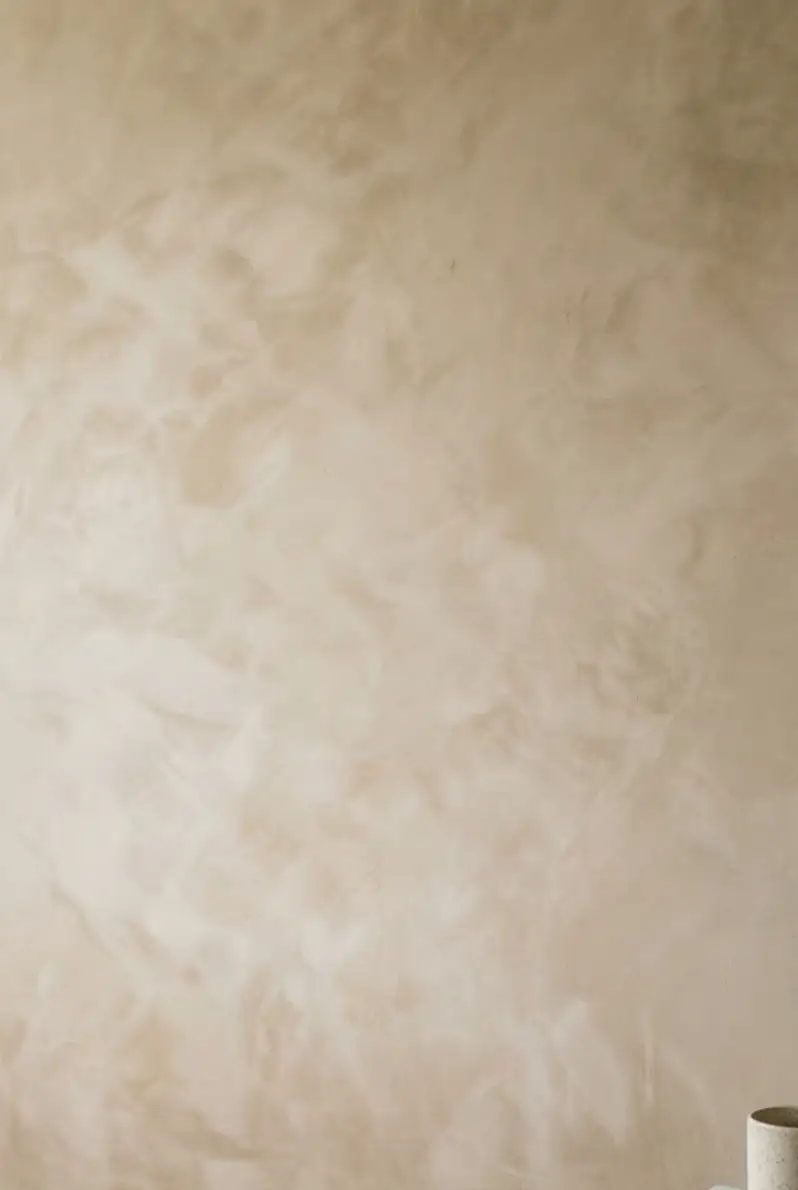
This is one of the easiest ways to make a room feel softer without adding pattern. Limewash-style walls have that hazy, cloudy movement that makes even a simple beige wall look custom.
Where it works best: living rooms, bedrooms, guest rooms.
Why it works: the finish has movement, but it still reads calm. It makes the wall feel alive without turning it into a loud feature.
The version worth copying: warm beige, taupe, mushroom, or dusty greige. Not bright white.
22. Venetian plaster in warm greige
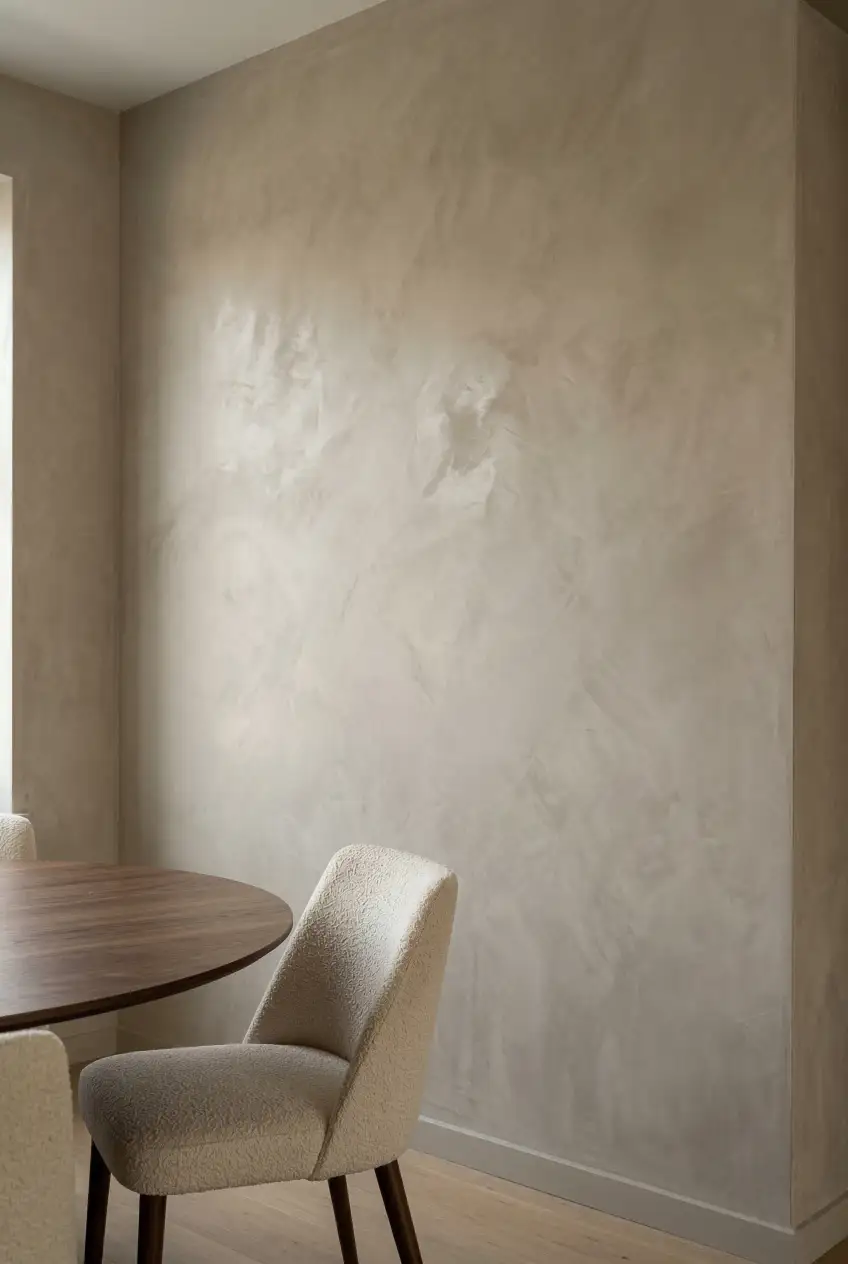
If you want something more polished, Venetian plaster is the step up. From a distance it looks smooth. Up close it has that soft burnished depth that makes the wall feel expensive.
Where it works best: entryways, dining rooms, living rooms, powder rooms.
Why it works: it reflects light in a subtle way, so the surface never feels dead.
The mistake most people make: pairing it with too many trendy accessories. Let the wall do the work.
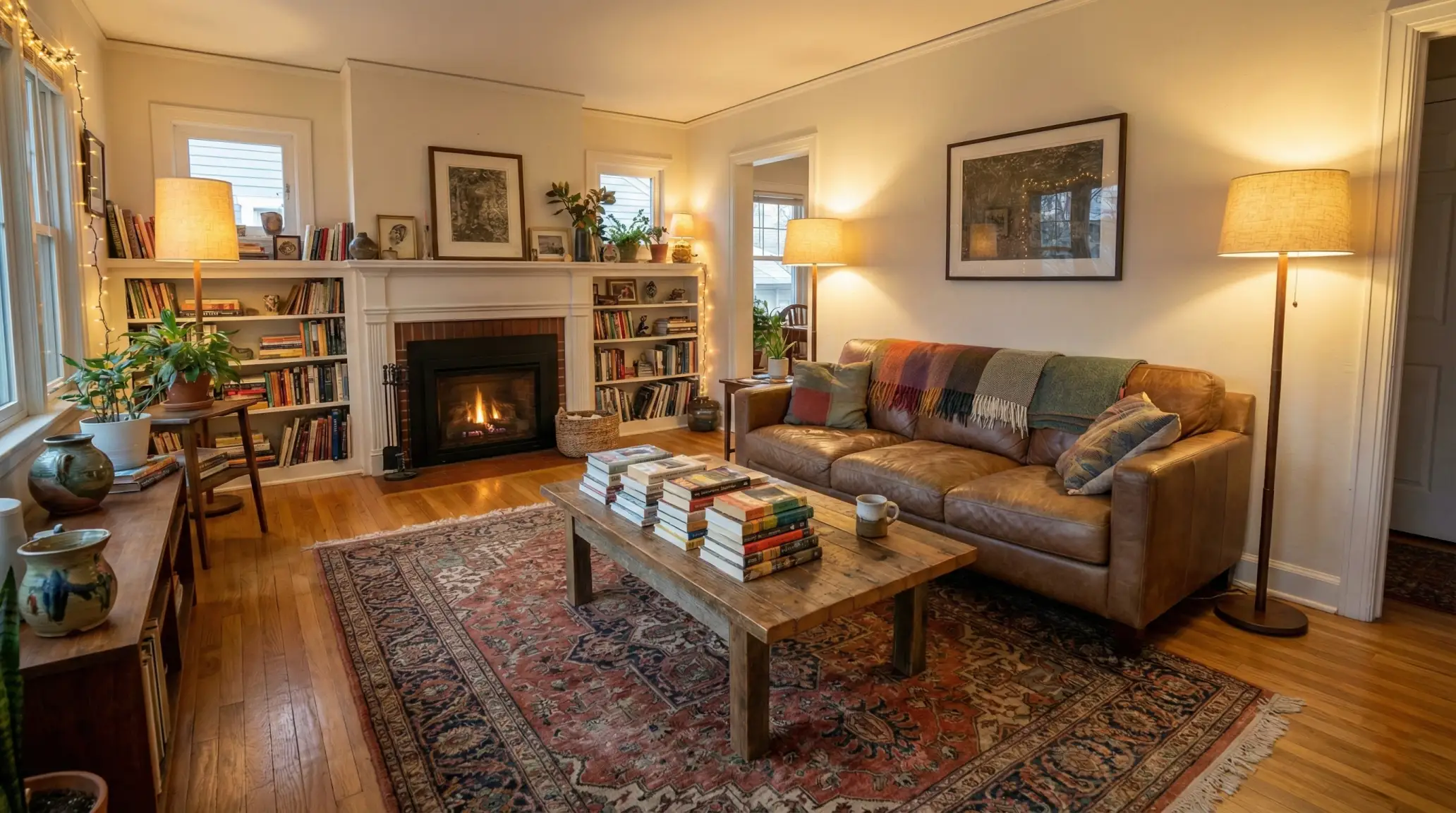
33. Roman clay on a fireplace wall
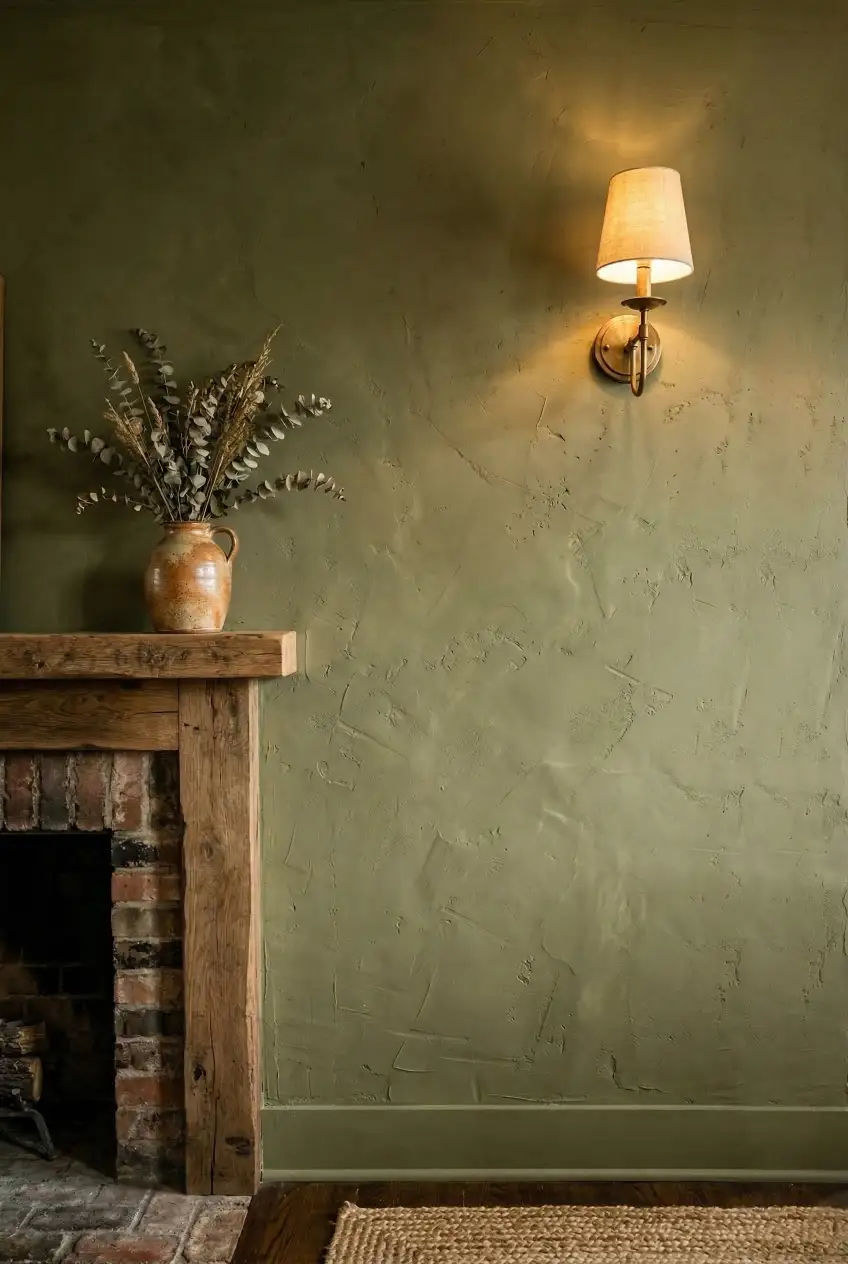
Roman clay has more body than standard paint but still feels soft and matte. On a fireplace wall, it adds texture without making the room feel busy.
Where it works best: fireplace surrounds, one accent wall, small sitting rooms.
Why it works: evening light picks up the soft knife marks and slight tonal shifts.
Shortcut: if a full room feels like too much commitment, start here.
44. Sand-texture painted walls
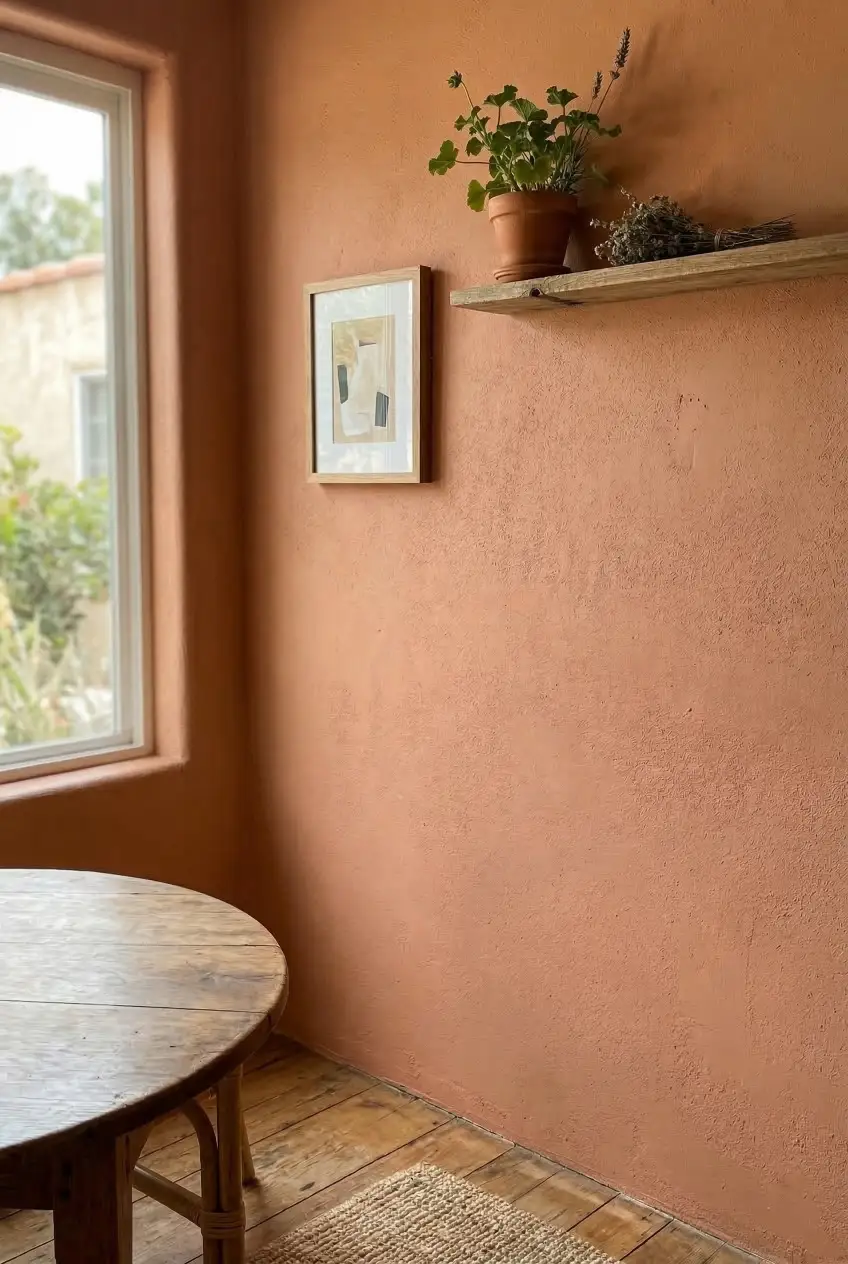
This is a quieter finish that works well in smaller spaces. It gives the wall a fine grain that breaks up flat paint without feeling obviously decorative.
Where it works best: hallways, breakfast nooks, laundry rooms, compact bedrooms.
Why it works: it adds depth in a very controlled way, which makes it easier to live with long term.
Best look: soft stone, warm putty, pale clay, or muted taupe.
55. Slatted wood accent walls
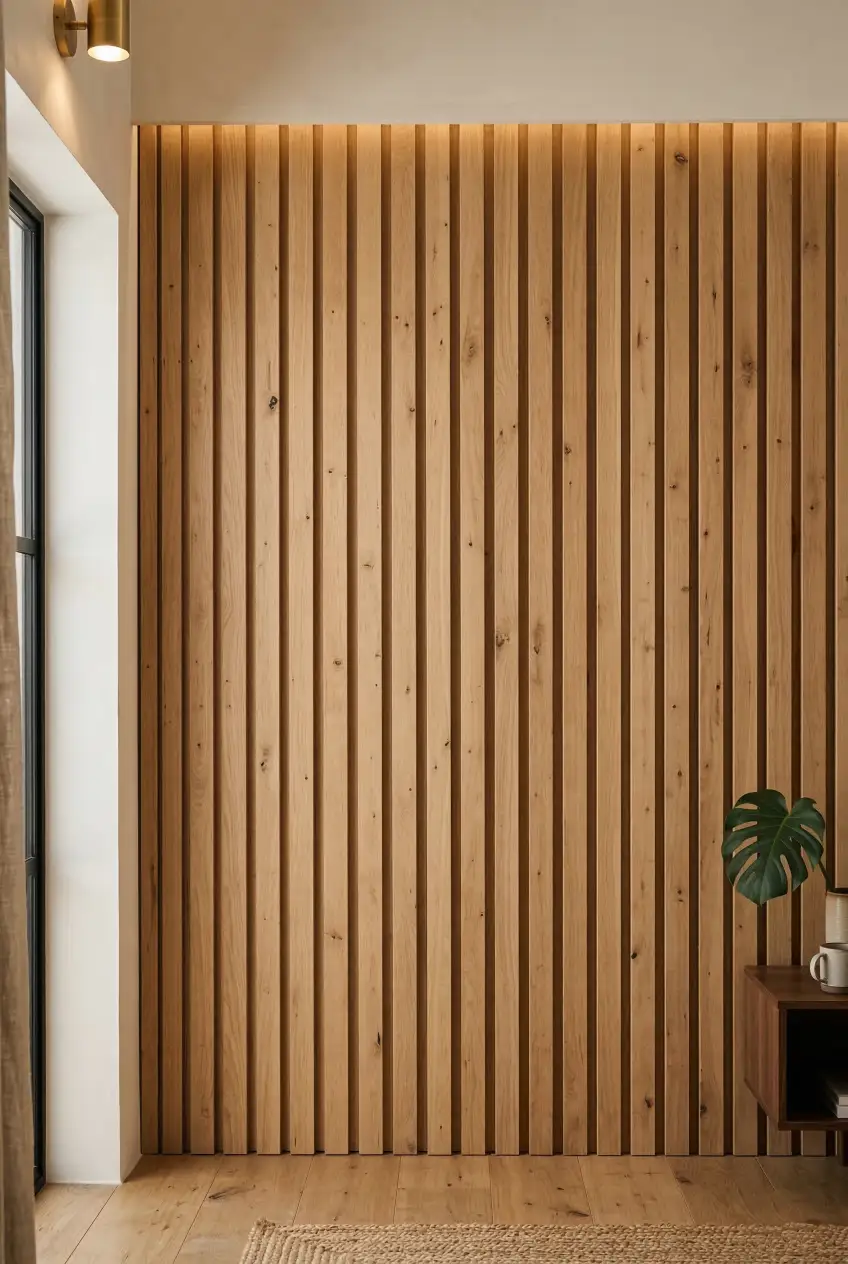
Not every textured wall has to be plaster. Vertical wood slats add warmth and rhythm, which is useful in rooms that feel too plain or too hard.
Where it works best: behind a bed, TV walls, entryways, home offices.
Why it works: the shadow lines create texture without relying on paint effects.
What actually works: medium or warm wood tones. Very dark slats can make the wall feel too sharp.
66. Picture frame molding painted the same color as the wall
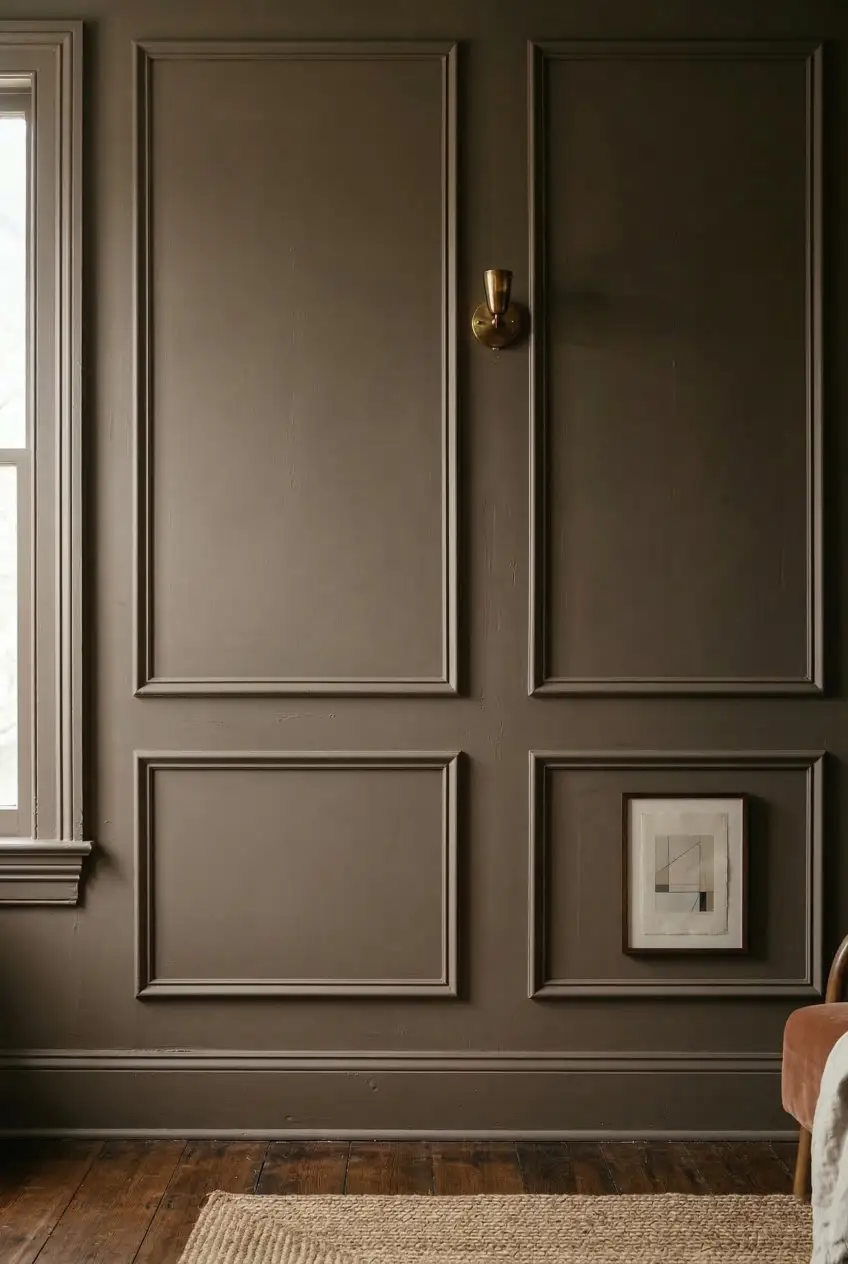
Technically this is trim, but visually it works like texture. When the molding and wall are painted in the same color, the room gets depth without extra visual noise.
Where it works best: dining rooms, primary bedrooms, hallways.
Why it works: it adds structure first, then shadow, then softness once painted in one tone.
The version worth copying: deep taupe, muted olive, warm blue-gray, or soft brown instead of crisp white trim.
77. Grasscloth or fabric-look wall finish
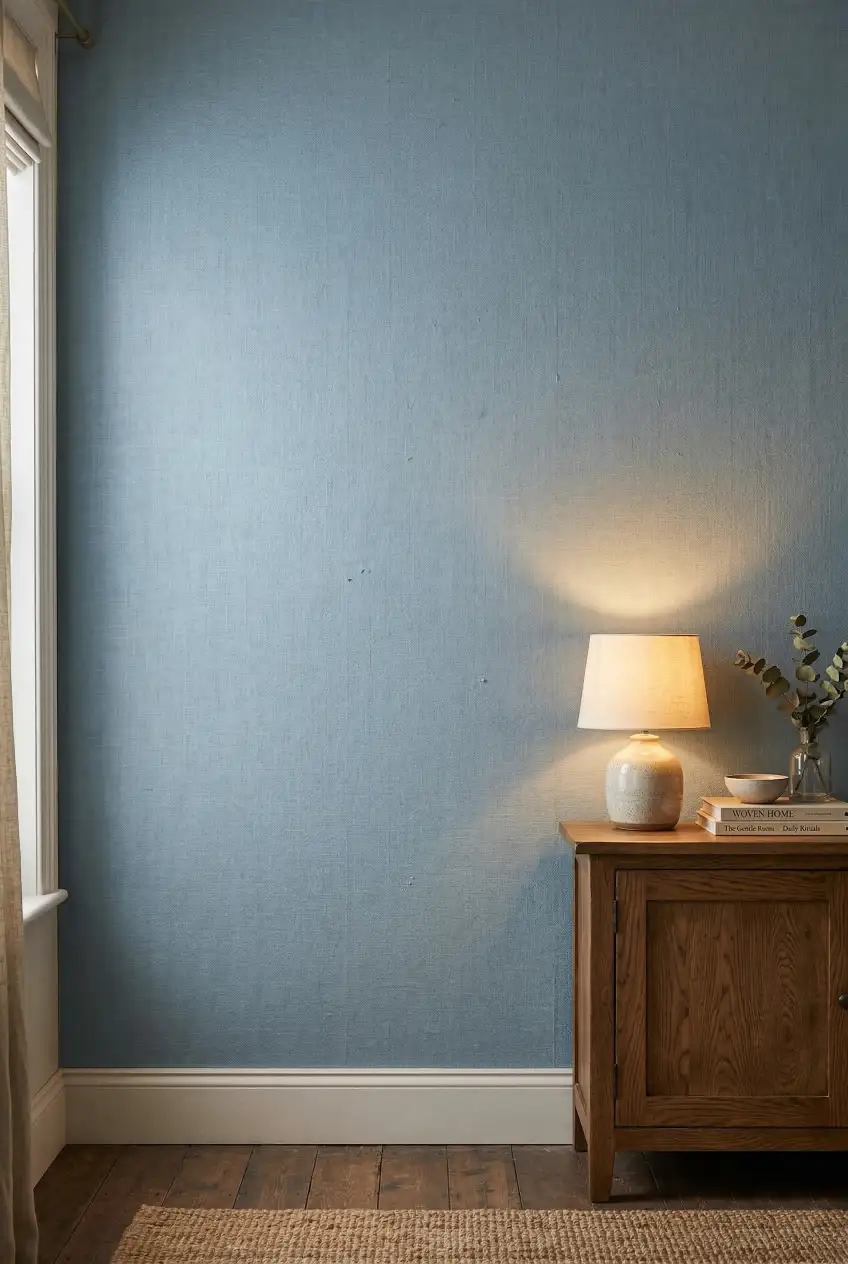
This is one of the best options if you want texture that feels warm, quiet, and slightly tailored. It does not shout for attention, but it makes the room feel far more finished.
Where it works best: dining rooms, offices, reading rooms, calm bedrooms.
Why it works: it softens the wall visually and gives a room that subtle collected feel.
Good to know: this works best when the rest of the room stays simple.
88. Plaster-style kitchen walls
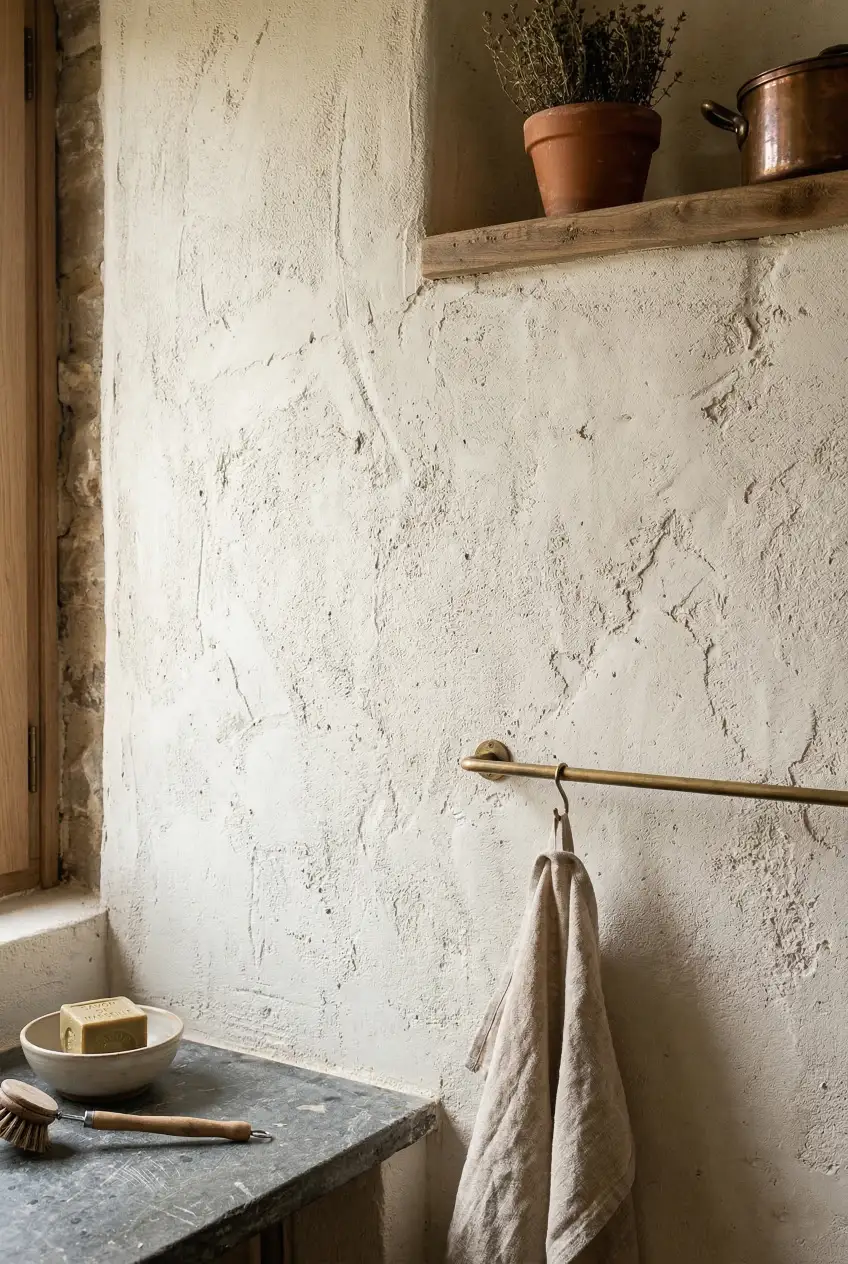
A rougher plaster-style finish can work beautifully in a kitchen, especially when the cabinets are simple and the counters feel sleek. The wall adds friction where the room might otherwise feel too clean.
Where it works best: above backsplashes, breakfast corners, open kitchen walls.
Why it works: it balances hard surfaces like stone, tile, and metal.
Use restraint: warm white, bone, sand, or pale mushroom will age better than anything too stark.
99. Warm microcement-style walls
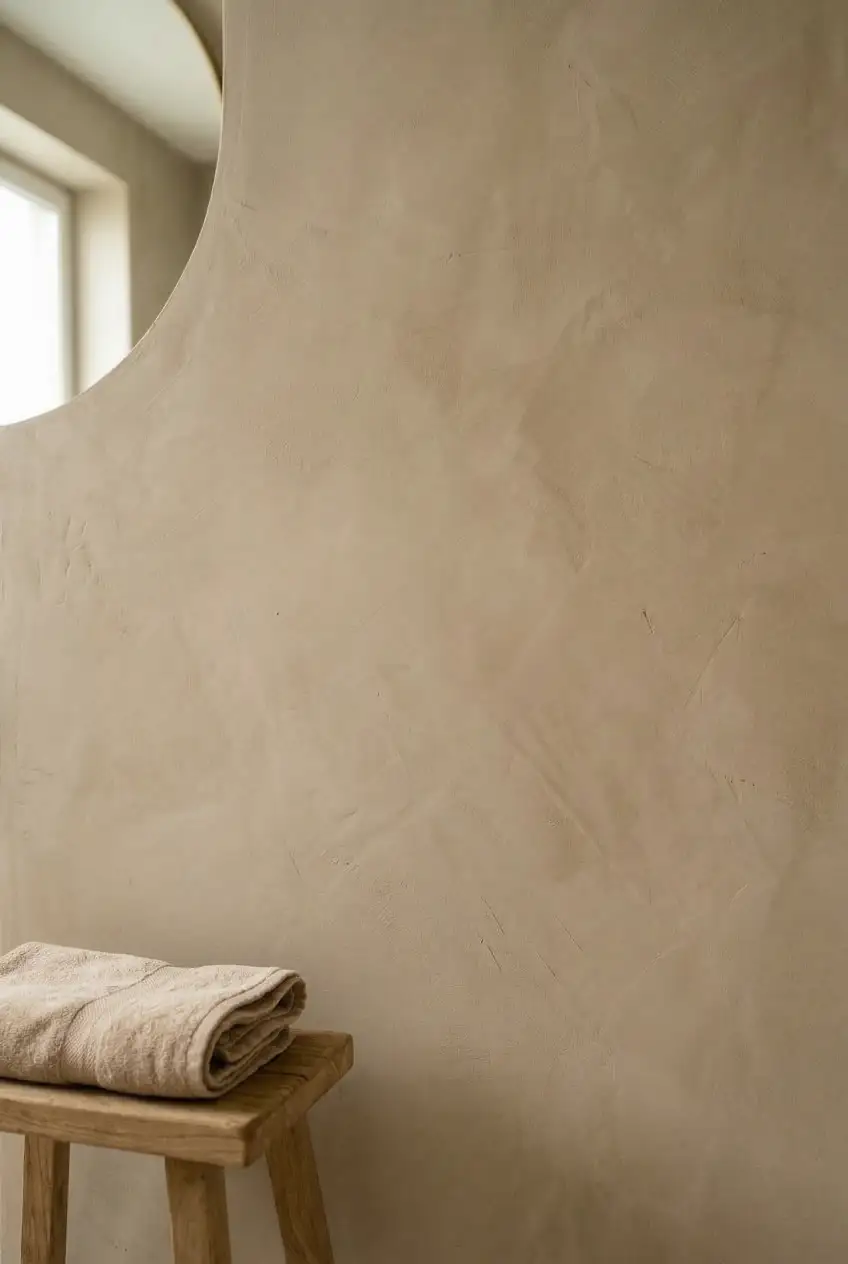
Microcement can feel cold if the undertone is wrong. In a warm beige, oatmeal, or soft putty, it feels much better. Cleaner than plaster, but still with enough body to avoid that flat, lifeless look.
Where it works best: bathrooms, mudrooms, minimal bedrooms, modern living spaces.
Why it works: it gives you a smooth, architectural texture without looking glossy.
The mistake most people make: choosing cool gray and making the room feel harder than it needs to.
How to choose the right texture for the room
Do not choose texture only because it looks good in one photo. The room still decides what works.
- For dark rooms: use finishes that catch light softly, like limewash or Venetian plaster.
- For small rooms: keep the texture subtle. Sand texture and fabric-look finishes are safer than anything rough.
- For minimal rooms: slats, plaster, and Roman clay add depth without adding clutter.
- For traditional rooms: tonal molding works better than trendier texture tricks.
- For calm bedrooms: stick to matte finishes with warm undertones.
The mistake most people make with textured walls
Bad lighting.
Texture needs side light, soft shadows, and a little contrast to show up well. If you blast a textured wall with harsh overhead recessed lighting, the finish loses most of its depth and can start to look cheap.
Wall sconces, floor lamps, table lamps, and natural side light all help. That is one reason textured walls pair so well with layered lighting instead of one bright ceiling fixture.
Quick shortcuts if you are not sure where to start
- Safest first choice: cloudy limewash.
- Most polished look: Venetian plaster.
- Best for one focal wall: Roman clay on a fireplace wall.
- Most architectural option: wood slats.
- Most subtle option: sand-texture paint or fabric-look walls.
Yes, but the finishes that feel current are softer and warmer than older wall textures. The best ones add depth without making the room feel heavy.
Limewash-style walls, Venetian plaster, and tonal molding are the safest long-term choices because they feel subtle rather than overly decorative.
Quiet finishes work best. Sand-texture paint, fabric-look walls, and soft plaster effects usually feel better than rough or chunky textures.
Yes. In fact, texture often helps modern rooms feel less cold. Warm plaster finishes, slatted wood, and soft microcement work especially well.
Usually not. One textured wall, one fireplace surround, or one focused finish is often enough to make the whole room feel better.
Flat walls are not the problem by themselves. The problem is when every surface in the room feels flat at the same time. That is when texture changes everything.