My niece called me crying at 2 AM
Three weeks into her first semester, and she couldn’t sleep. Not couldn’t fall asleep – couldn’t sleep. Her dorm room felt like a hospital waiting room. Fluorescent lights. White walls. That weird institutional smell. She’d bought everything on every “dorm essentials” list: storage bins, desk lamp, extra-long sheets. But her room was making her anxious. Exhausted. Unable to focus.
The problem wasn’t what she’d bought. It was what those lists never mentioned: your dorm room can actively make you feel worse. Or better.
Most guides treat dorm essentials like a shopping list. You need a lamp? Here are five options. Storage? Here’s what fits under your bed. They don’t ask: does this thing support your sleep? Your mental health? Your ability to actually function?
For Class of 2026 students and their parents, that question changes everything. Because the right products don’t just fill space – they support circadian rhythms, slash stress, clean the air you breathe, and create spaces where you actually rest instead of just existing. That’s the difference between surviving your first year and thriving in it.
What “Essentials” Actually Means
Dorm essentials usually means: lamp, storage, bedding, maybe a mini fridge. Basics. But shift the definition. Essentials become things that actively support your wellbeing, not just things that fill space.
Your physical environment directly impacts sleep quality, stress levels, and cognitive performance – that’s what the National Institutes of Health found. The lighting you use? It dictates your circadian rhythm. The air you breathe? It controls your energy and focus. The organization of your space? It can either reduce anxiety or amplify it. These aren’t abstract concepts. They’re measurable factors that shape how you feel and perform.
Every product choice is a health decision. A lamp that supports natural sleep cycles does more than illuminate. Storage that reduces visual clutter does more than organize. Dorm decor with natural elements does more than decorate – it lowers stress.
Thinking beyond the standard list means prioritizing products that serve multiple functions: supporting sleep, reducing stress, improving air quality, creating calm. The investment might be higher upfront. But the return? Better sleep. Reduced anxiety. Improved focus. Worth it.
Lighting and Sleep Quality
I watched my niece struggle with sleep her first semester. Then she swapped her harsh overhead light for a circadian lamp. Her energy levels changed. But more than that – her room felt like a sanctuary instead of a fluorescent box.
Most dorm rooms give you one lighting option: harsh overhead fluorescents that stay bright all day and night. They don’t dim. They don’t change color temperature. They don’t respect your body’s natural rhythms. For students pulling late-night study sessions, that’s a recipe for sleep disruption.
Circadian lighting is foundational for sleep quality and academic performance. But only if you commit to using it consistently at the right times. Set routines. Avoid late-night blue light exposure. Otherwise it becomes an expensive nightlight.
Exposure to blue-rich light in the evening suppresses melatonin production, making it harder to fall asleep and stay asleep. Morning light exposure helps reset your circadian clock and improves alertness – that’s what the Sleep Foundation found. For dorm rooms, this means having lighting that adapts to the time of day.
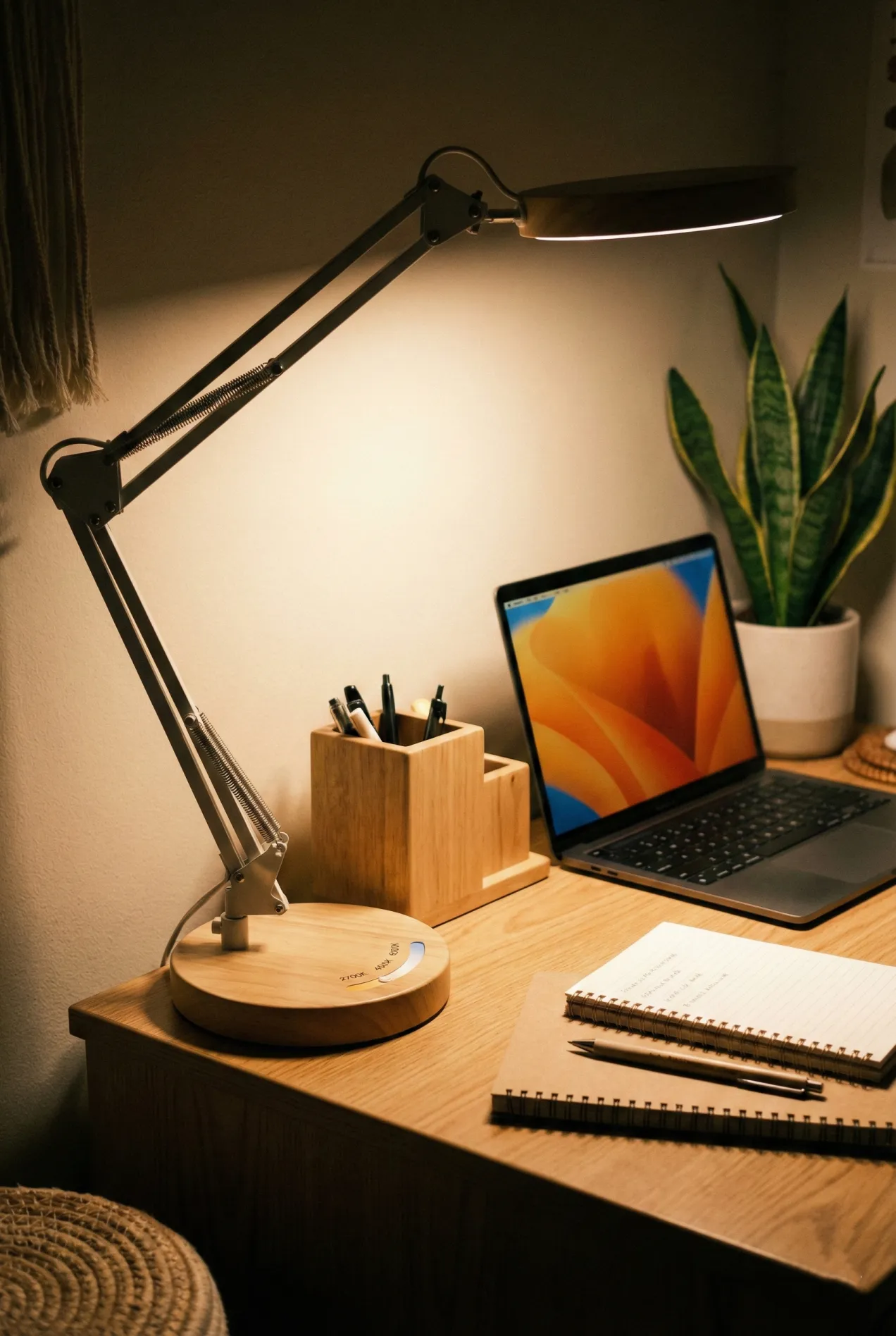
Portable Circadian Lighting Solutions
Circadian lighting dorm room setups don’t require rewiring your space. Portable desk lamps with adjustable color temperature let you control light quality throughout the day. Warm light (2700K-3000K) for evenings. Cooler light (5000K-6500K) for morning focus sessions.
Sunrise alarm clocks are game-changers. Instead of jolting you awake with sound, they gradually increase light intensity, mimicking natural sunrise. This supports your body’s natural wake cycle. Improves morning alertness. For small dorm spaces, compact models that sit on your nightstand work perfectly.
When choosing dorm essentials for lighting, consider both function and wellness impact. A basic desk lamp might cost less. But a circadian-compatible option supports your sleep quality every single day. That’s the difference between checking a box and making a health investment.
Sleep Environment Essentials
Lighting is just one piece of the sleep quality puzzle. Your sleep environment includes temperature, noise levels, and light blocking. Dorm rooms are notoriously difficult to control. You can’t adjust the thermostat. You can’t control hallway noise. Windows often lack proper coverings.
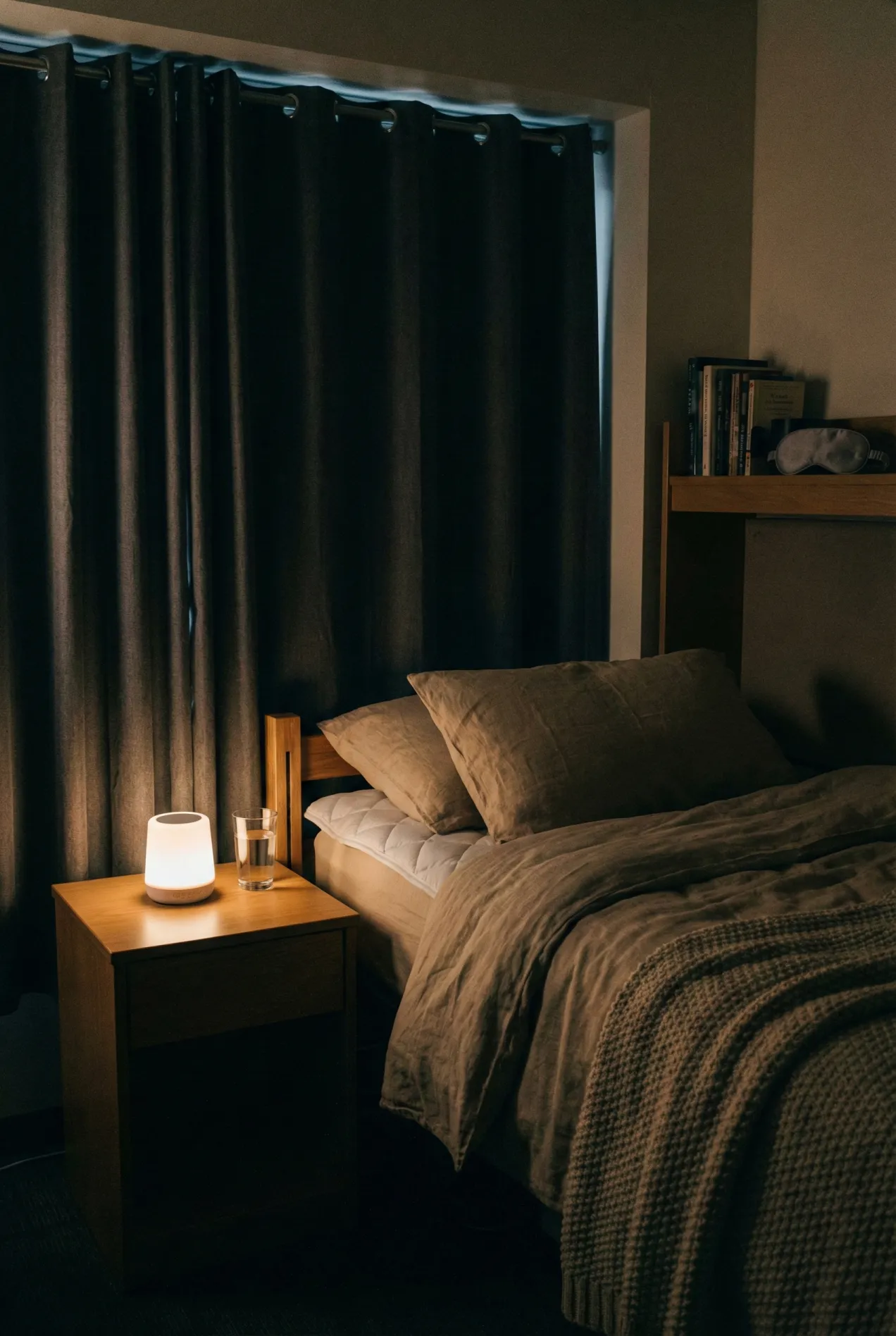
Blackout curtains or shades that actually work are essential for dorm room sleep hygiene. Many dorm windows are large and face bright parking lot lights or streetlamps. A quality blackout solution blocks external light completely, creating the darkness your body needs for melatonin production.
Temperature regulation matters too. Dorm heating and cooling systems are often inconsistent. A small fan for air circulation, breathable bedding materials, and a temperature-regulating mattress topper can help you maintain a comfortable sleep environment regardless of what the building’s HVAC is doing.
White noise machines or apps can mask disruptive sounds – roommate alarms, hallway conversations, building maintenance. Finding a sound that’s consistent and not jarring matters most. Some students prefer nature sounds. Others need pure white noise. Experiment. Find what works for your brain.
Biophilic Design: Bringing Nature Indoors
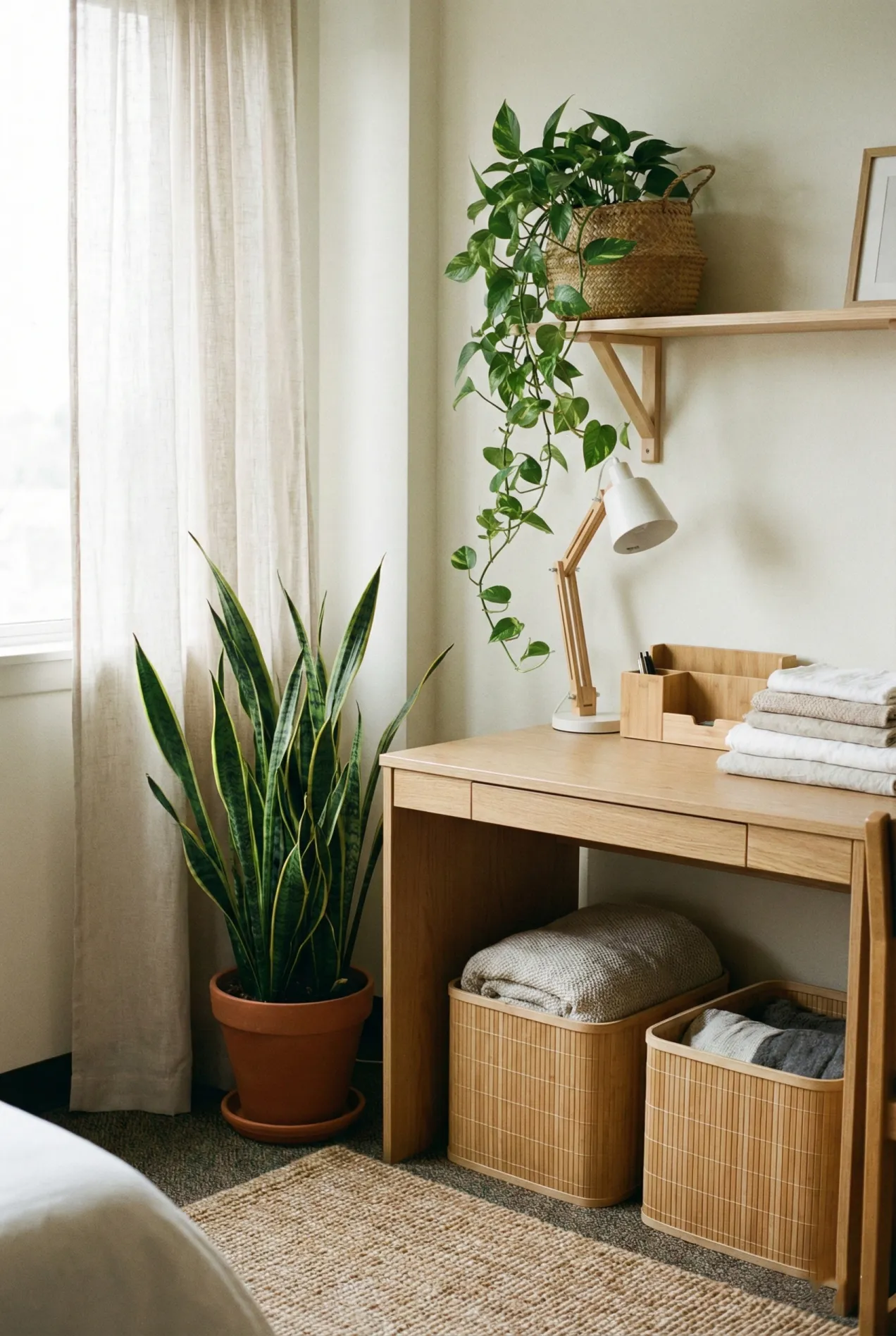
Biophilic dorm design connects you to natural elements even when you’re surrounded by concrete and fluorescent lights. Humans have an innate connection to nature. Bringing natural elements into indoor spaces reduces stress, improves focus, and supports mental health. The Harvard School of Public Health documented measurable benefits of nature exposure on mental wellbeing.
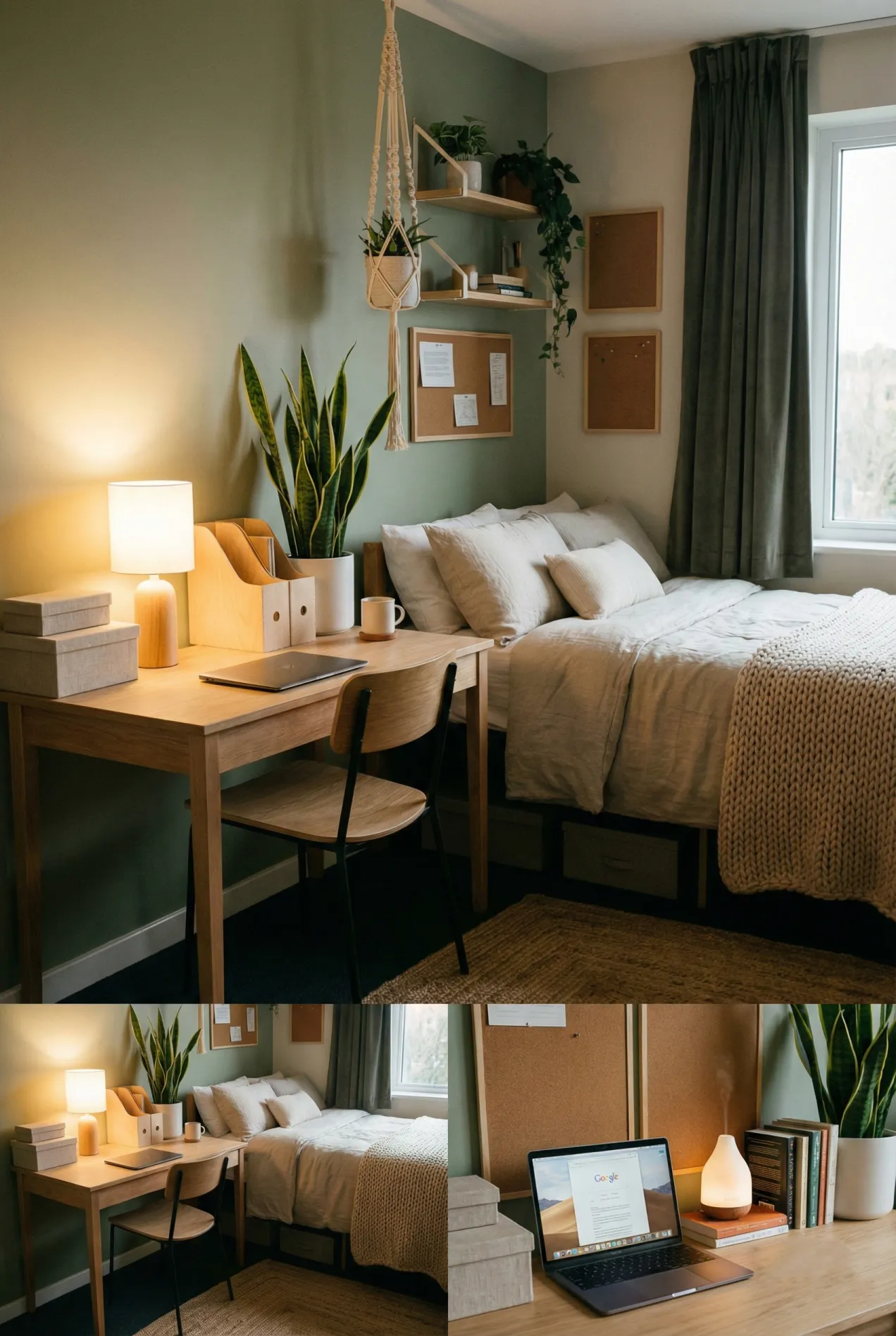
Biophilic design elements in dorms can measurably reduce stress and improve focus. But choose low-maintenance plants and natural materials that fit your actual lifestyle, not Instagram aesthetics. Only invest in living plants if you can commit to basic care. Otherwise, high-quality artificial plants and natural textures work just as well for the psychological benefits.
For dorm room plants, choose varieties that thrive in low-light conditions and require minimal attention. Snake plants, pothos, and ZZ plants are nearly indestructible. They can handle inconsistent watering schedules. They also improve air quality by filtering toxins – a bonus for dorm rooms with limited ventilation.
If keeping plants alive feels like too much responsibility, high-quality artificial plants still provide visual benefits. Choose realistic options that look and feel natural, not plastic. Pair them with natural materials – wood desk accessories, bamboo storage baskets, cotton and linen textiles – to create that biophilic connection. For students interested in DIY decor projects, creating your own natural material accessories can be both budget-friendly and personally meaningful.
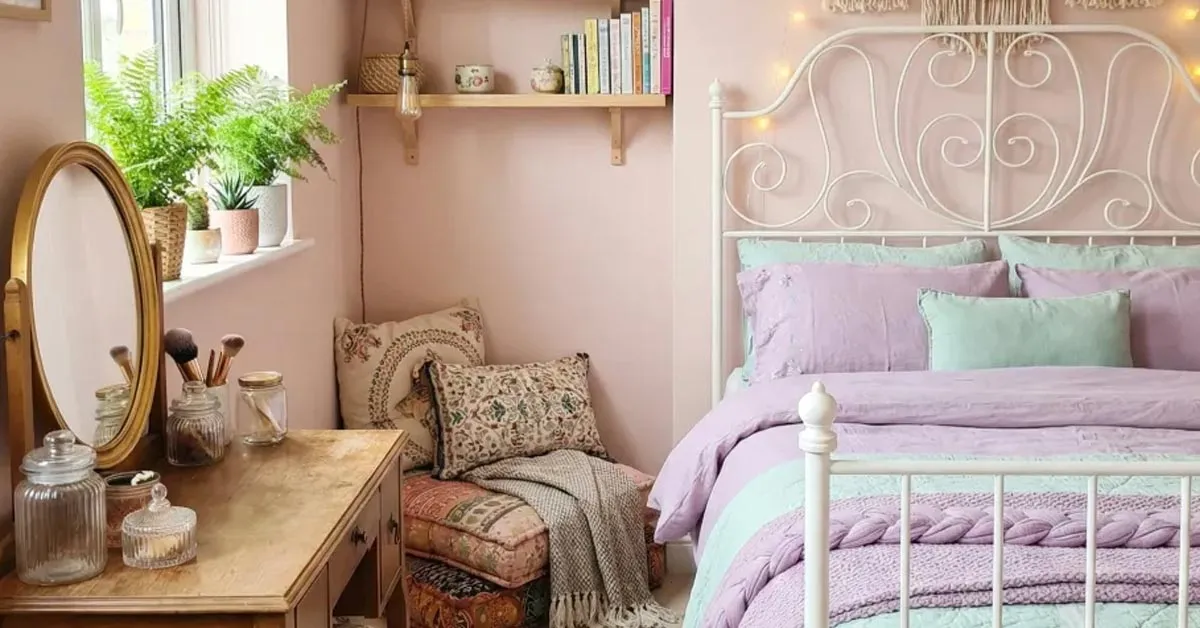
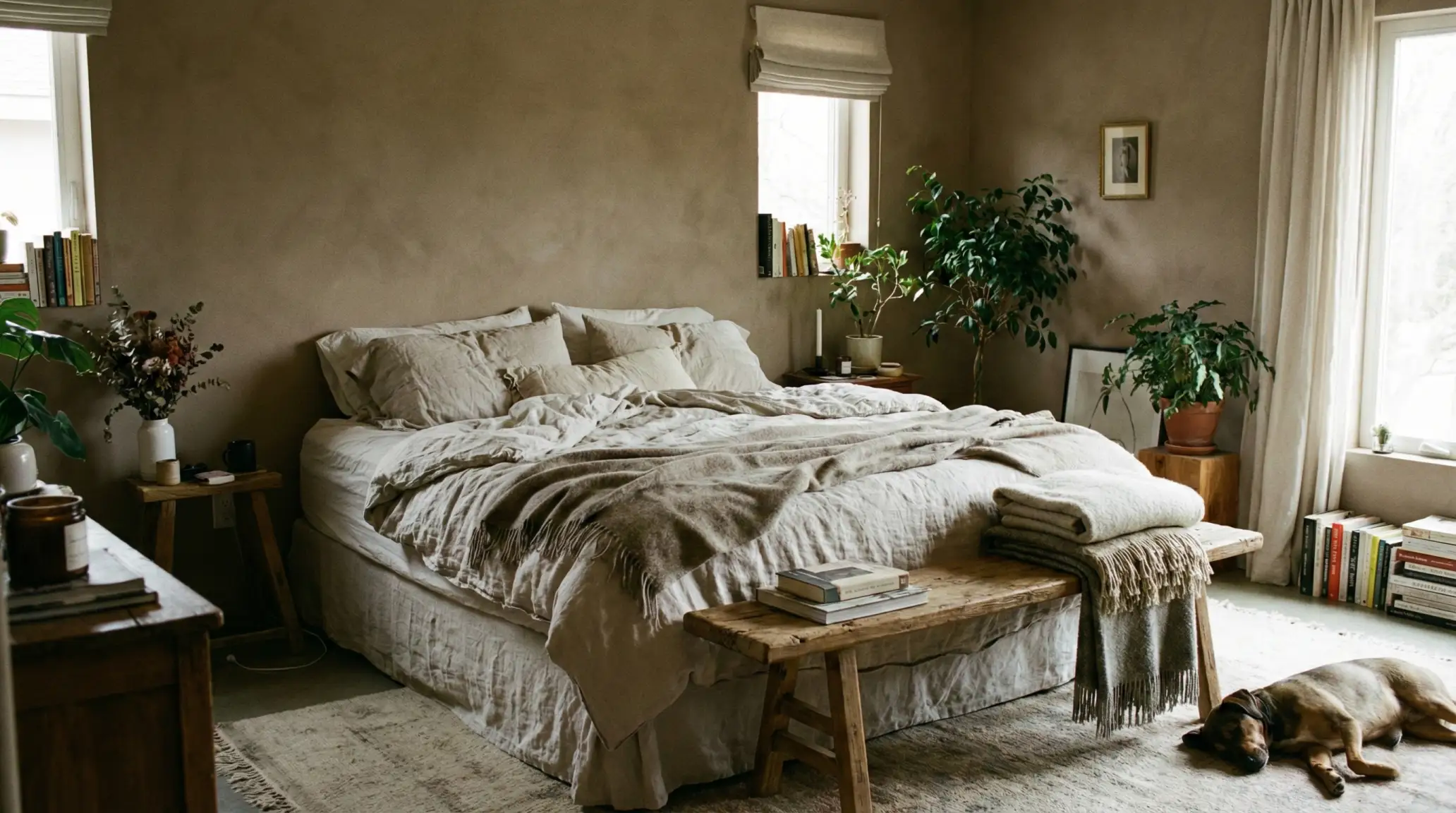
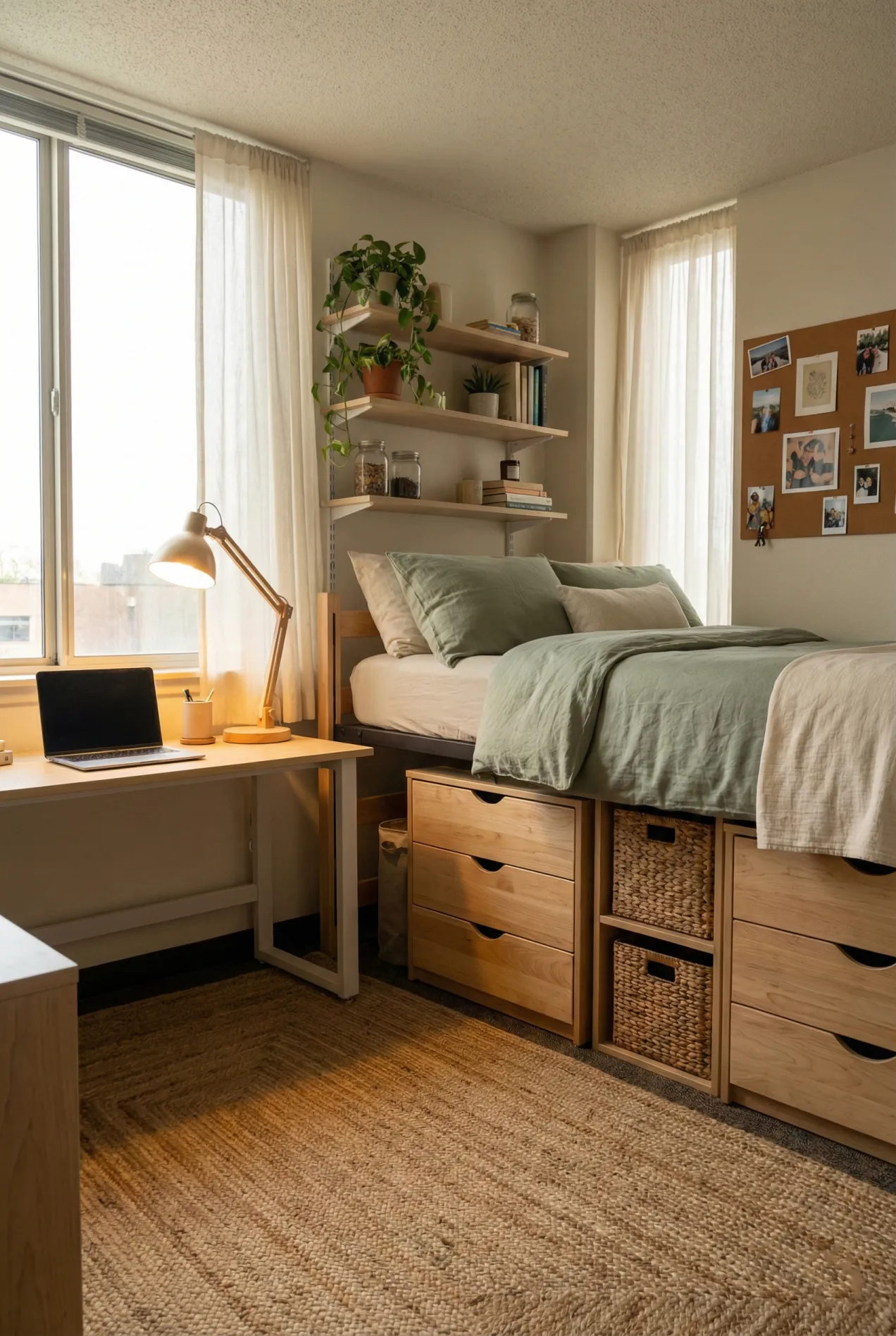
Natural textures matter as much as living elements. A wool throw. A wooden desk organizer. A jute rug. These materials add warmth and connection to nature even in the most institutional spaces. They’re also sustainable choices that align with Gen Z values around environmental responsibility.
Air Quality and Environmental Wellness
Dorm room air quality is an invisible wellness factor that most students never consider. These spaces are small. Often poorly ventilated. They accumulate allergens, dust, and pollutants. The Environmental Protection Agency found that indoor air can be significantly more polluted than outdoor air. For students with allergies or asthma, this directly impacts health and academic performance.
Small air purifiers designed for dorm rooms can make a significant difference. Look for units that are quiet enough to run during sleep, effective enough to filter particles, and compact enough to fit in tight spaces. HEPA filters are essential for removing allergens and pollutants.
Water quality matters too. Many dorm buildings have older plumbing systems. Tap water quality varies by location. A simple water filter pitcher or bottle can improve taste and remove contaminants. Staying hydrated is easier when water actually tastes good.
Noise reduction strategies extend beyond white noise. Acoustic panels or sound-absorbing materials can dampen echo and reduce overall noise levels. For students sensitive to sound, this can be the difference between being able to focus and constant distraction.
Organization That Reduces Stress
Cramming your life into a 10×10 box is brutal. But organization is the only defense you have against chaos. Visual chaos increases stress and makes it harder to focus. Thoughtful organization creates calm. For more bedroom organization ideas, explore our bedroom decor guides.
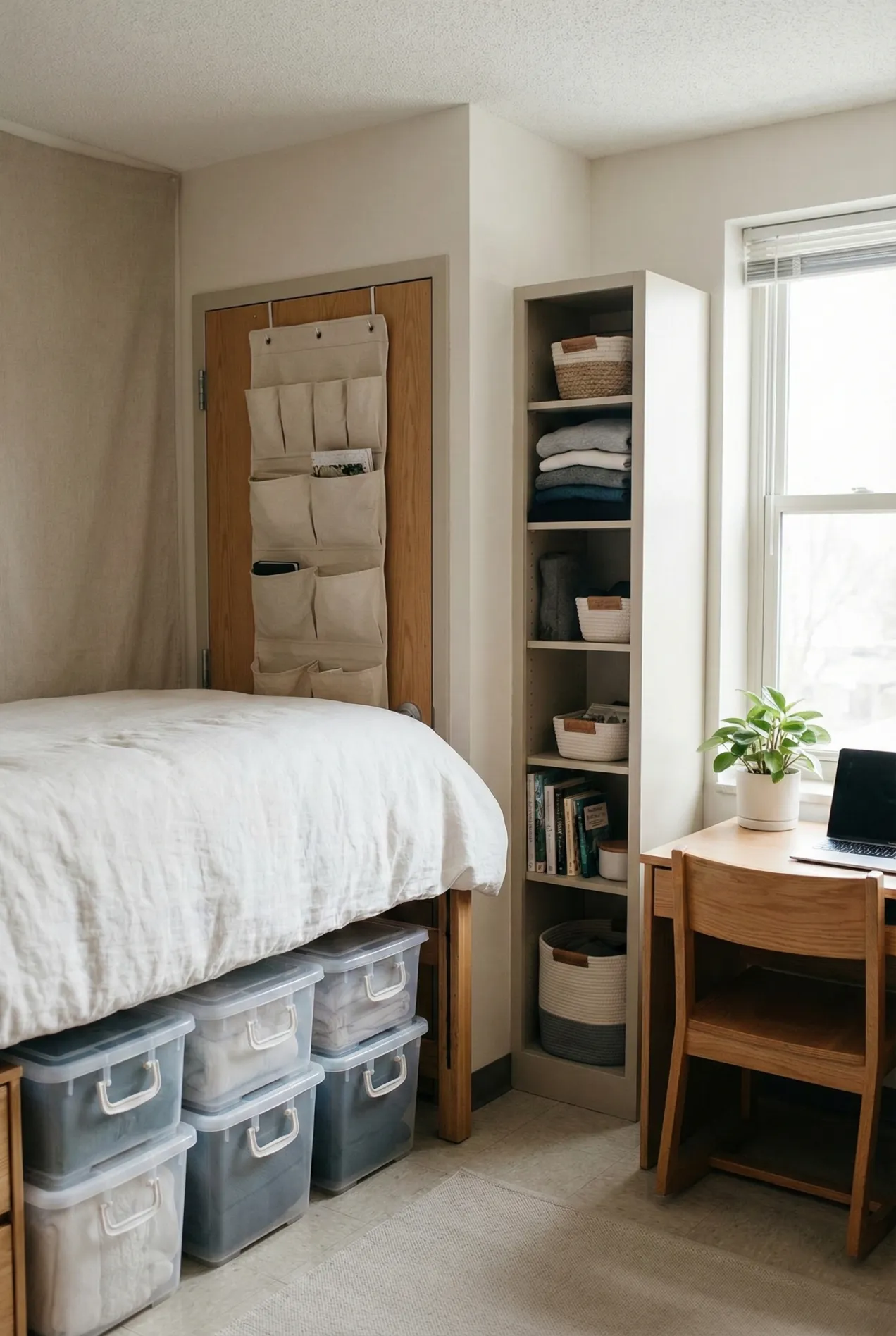
Storage solutions that maximize small spaces are essential. Under-bed storage. Over-the-door organizers. Vertical shelving systems. They help you use every inch of available space. Choose systems that work with your habits, not against them.
If you’re not naturally organized, complex systems will fail. Simple, accessible storage that makes it easy to put things away is more effective than elaborate organization schemes you’ll abandon after two weeks. The goal is reducing friction, not creating perfect systems.
Multi-functional furniture serves both space and wellness goals. A storage ottoman provides seating and hidden storage. A desk with built-in organization keeps work surfaces clear. A bed frame with drawers eliminates the need for separate dressers. Each piece should solve multiple problems.
Aesthetics vs. Function: Finding Your Balance
Dorm room decor guides often fall into two camps: pure aesthetics (Instagram-worthy spaces) or pure function (utilitarian checklists). The wellness approach bridges both. When do aesthetics support function? When must function come first?
Calming colors, natural textures, and personal touches can reduce stress and create a sense of home. These aesthetic choices aren’t frivolous – they support mental health by making your space feel safe and comfortable. But they can’t come at the expense of functional essentials. When planning your home decor approach, balance aesthetics with wellness goals.
Ergonomic furniture supports physical health. Proper lighting supports sleep quality. Air quality tools support respiratory health. These functional elements are non-negotiable. Aesthetic choices should enhance them, not replace them.
Choose products that are both beautiful and functional. A circadian lamp that’s also well-designed. Storage solutions that look good and work efficiently. Natural materials that support biophilic design and serve practical purposes.
Dorm room decor that prioritizes wellness means making intentional choices about what you bring into your space. Every item should either support your health, reduce stress, or serve a clear functional purpose. When aesthetics and function align, you get spaces that look good and feel good.
The Parent-Student Decision Framework
For parents helping their students set up dorm rooms, the wellness approach requires a different decision framework. It’s about understanding which investments support long-term health and academic success, not just buying everything on a list.
Circadian lighting, quality sleep surfaces, and air quality tools are worth the investment because they impact daily wellbeing and performance. These aren’t one-time purchases. They’re tools your student will use every day for an entire academic year.
Budget-friendly alternatives exist for every category. You don’t need the most expensive option to support wellness. A mid-range circadian lamp works just as well as a premium model if it offers the same color temperature range. A quality mattress topper can transform a basic dorm mattress without the cost of a new bed.
Prioritize wellness essentials over decorative extras. A student who sleeps well, breathes clean air, and feels calm in their space will perform better academically. That’s the return on investment that matters.
Your 2026 Wellness Dorm Checklist
This is a prioritized framework for choosing products that support wellness, not a comprehensive list of every possible dorm room essential:
- Sleep Quality: Circadian-compatible lighting, blackout solutions, temperature regulation tools, white noise options
- Air Quality: Air purifier, water filter, ventilation support
- Biophilic Design: Low-maintenance plants or high-quality artificial alternatives, natural materials and textures
- Organization: Storage systems that reduce visual clutter and support daily routines
- Ergonomics: Furniture and accessories that support physical health during long study sessions
- Stress Reduction: Calming colors, personal touches, noise reduction strategies
When choosing dorm essentials, ask yourself: does this product support my sleep, my mental health, my ability to focus? If the answer is yes, it’s worth the investment. If it’s just filling space or checking a box, reconsider. The goal is creating a space that supports your wellbeing, not just meeting a checklist requirement.
The 2026 wellness dorm room is about having the right stuff, not the most stuff. Products that actively support your health and performance, not just meet basic needs. Dorm room essentials that make you feel good, sleep better, and focus more clearly. That’s the difference between surviving your first year and thriving in it.