Teen Girl Bedroom: Complete Design Guide
Designing the perfect teen girl bedroom goes beyond choosing pretty colors or trendy furniture. This process requires understanding how her world is changing. She’s no longer the child who needed playful spaces. Now she needs a room that reflects her emerging identity, works for studying, relaxing, and expressing herself. The teen girl bedroom becomes her personal sanctuary, and every design decision matters.
I’ve seen too many teenage girl bedroom design ideas that look like Pinterest boards without real functionality. Generic pastels, furniture that doesn’t match their actual style, and spaces that don’t respond to how they really live. The truth is that creating the perfect teen girl bedroom requires balance. You need to combine aesthetics with functionality, comfort with style, and maturity with spaces that still allow them to be themselves.
This guide will walk you through every aspect of teen girl bedroom design step by step. From selecting the right color palette to organizing efficient study spaces. I’ll give you practical ideas that work in real life, not just in photographs. I’ll also share what I’ve learned after helping design dozens of teen girl bedrooms for girls in this transition stage.
What Older Girls Bedroom Really Needs
Before choosing a single color or piece of furniture, you need to understand what a teen girl bedroom really means in design terms. We’re not talking about little girls’ rooms, but we’re also not talking about fully adult spaces. This intermediate stage has specific needs that many designs ignore. They need spaces that respect their growing independence while maintaining the functionality that parents value.
Research on adolescent development shows that personal spaces play a crucial role in identity formation. According to studies from environmental psychology, teenagers who have control over their bedroom decoration show greater emotional well-being. This doesn’t mean letting them do whatever they want without limits. It means creating a collaborative process where their opinions matter. Developmental psychology research supports that personalized spaces contribute positively to adolescent well-being.
In my experience, teen girls need three fundamental things in their teen girl bedroom. First, a study space that actually works. Not just a desk in a corner, but an area designed for concentration and productivity. Second, smart storage that allows them to maintain order without constant effort. Third, elements that reflect their current interests, whether art, music, fashion, or sports. These elements aren’t superficial decoration. They’re part of how they build their identity.
Here’s my honest opinion: many teenage girl bedroom design ideas prioritize aesthetics over real functionality. I’ve seen beautiful rooms in photographs that in real life become chaotic spaces because they don’t have enough practical storage. Or spaces so minimalist they don’t allow personalization. Balance is key, and that balance comes from thinking about how the space is actually used day to day.
Color Schemes for Teenage Girl Bedrooms
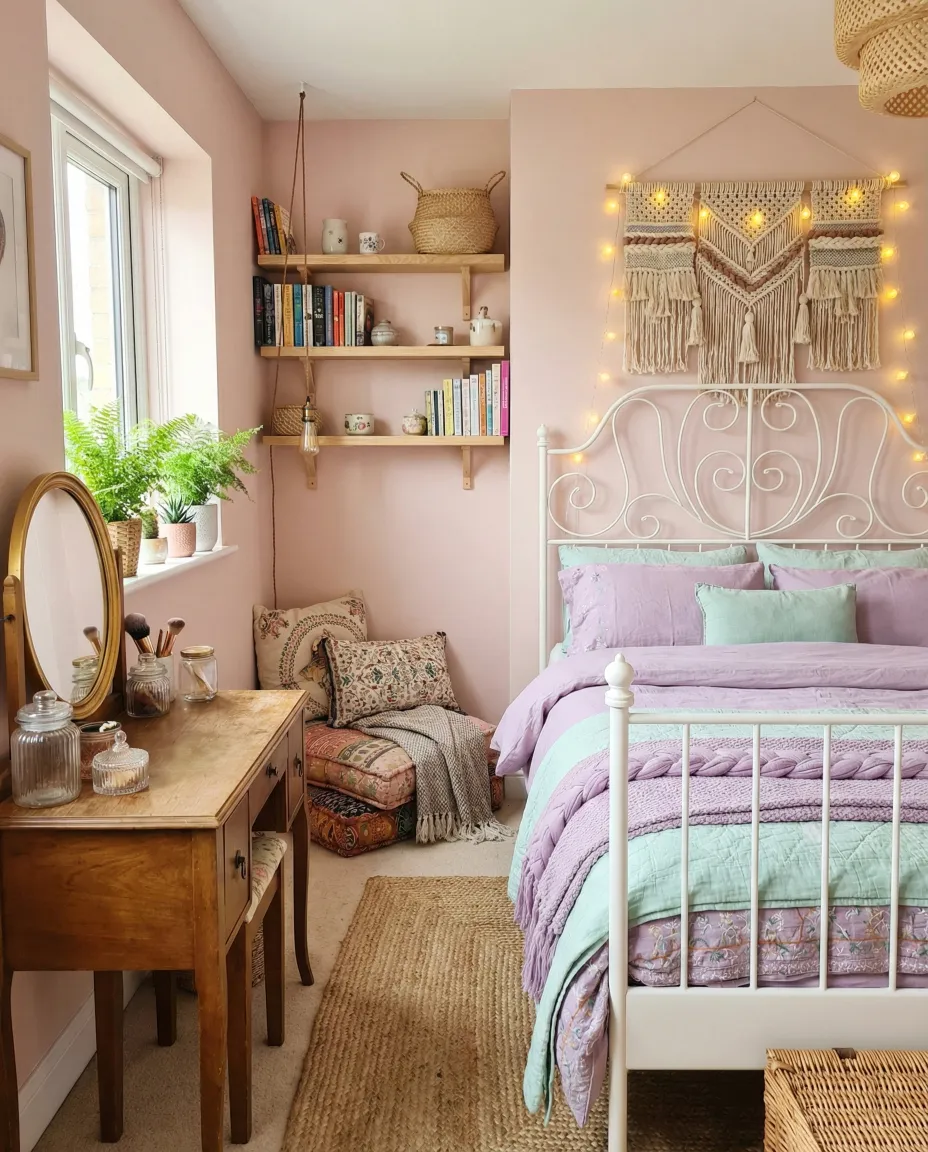
Colors set the tone for the entire teen girl bedroom. Choosing wrong can make a space feel childish or too mature. For teenage girl bedroom design, you need colors that convey sophistication without losing warmth. Soft pastels have their place, but they’re not the only option. Many girls are moving toward more sophisticated palettes that feel grown-up without being boring.
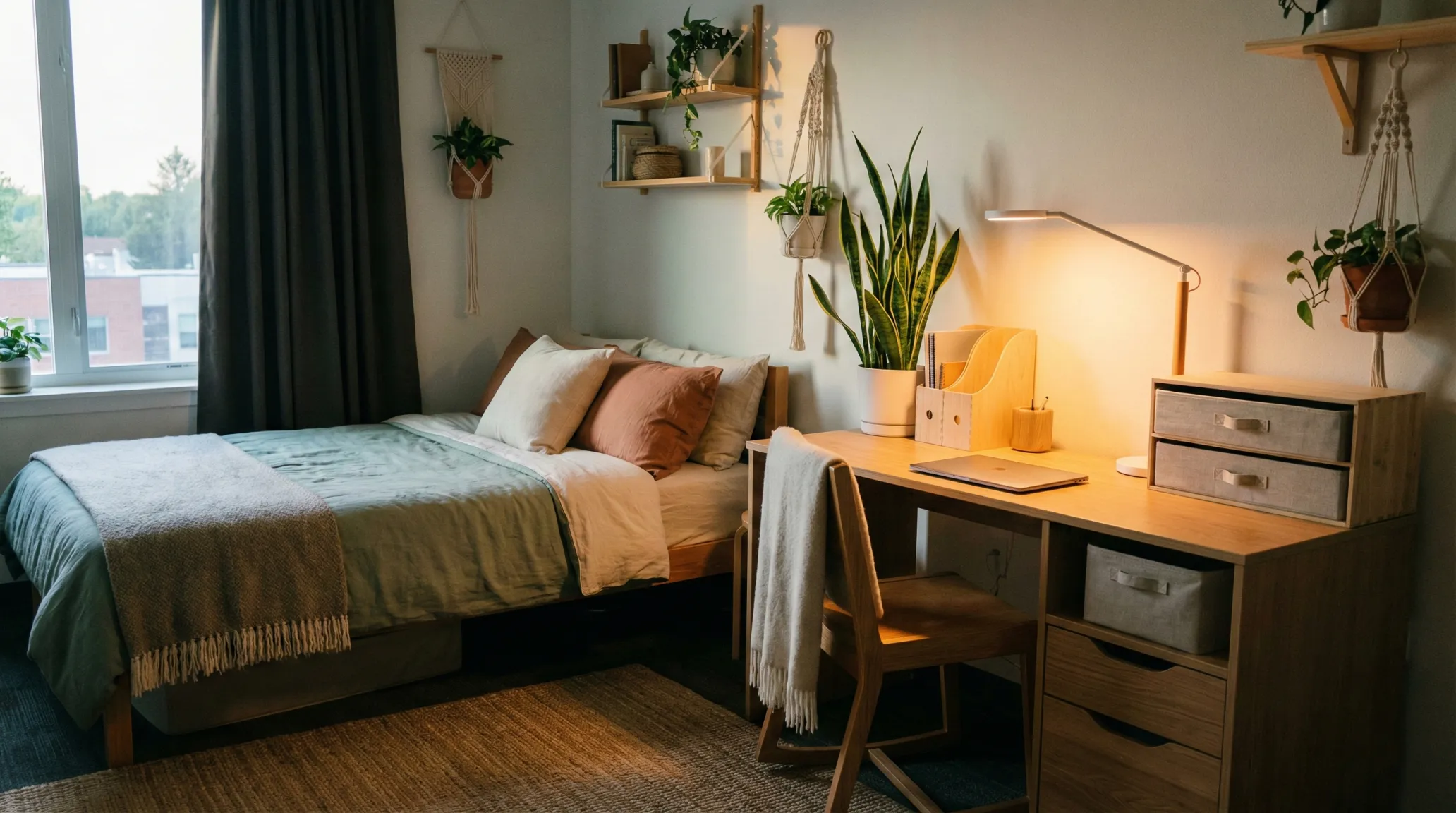
Sage green works especially well because it’s calming and versatile. You can pair it with blush pink for a romantic look. With terracotta for warmth. Or with whites and creams for a fresh, clean atmosphere. But here’s the warning: not all girls want pastel walls. Some prefer bolder spaces, especially if the room is large or has lots of natural light. In those cases, consider using pastels as accent colors on feature walls, not on all walls. If you’re looking for more inspiration on bedroom styles, we recomended you to take a look into my Japandi Style Post, we have detailed guides that will help you to get inspired.
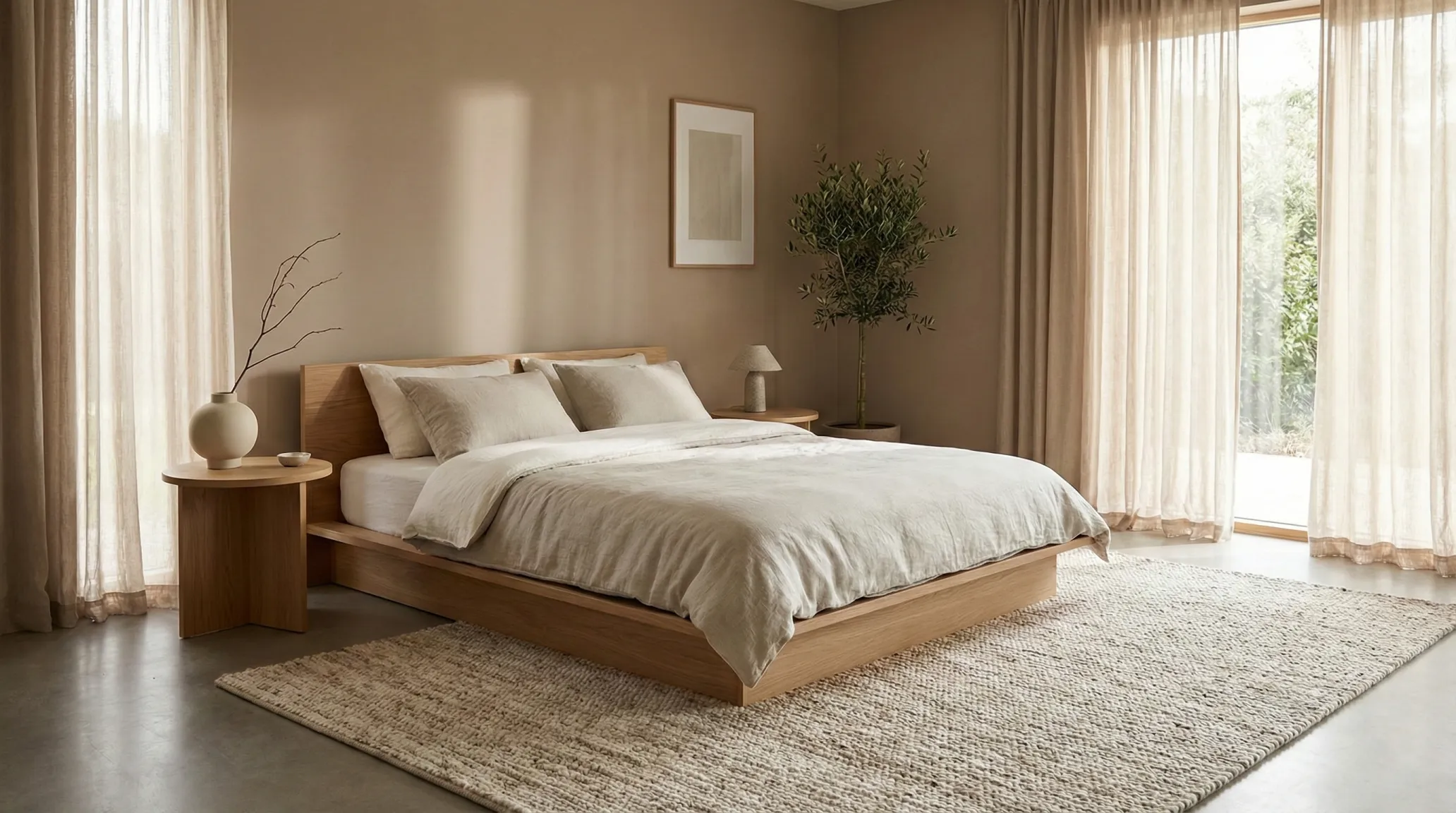
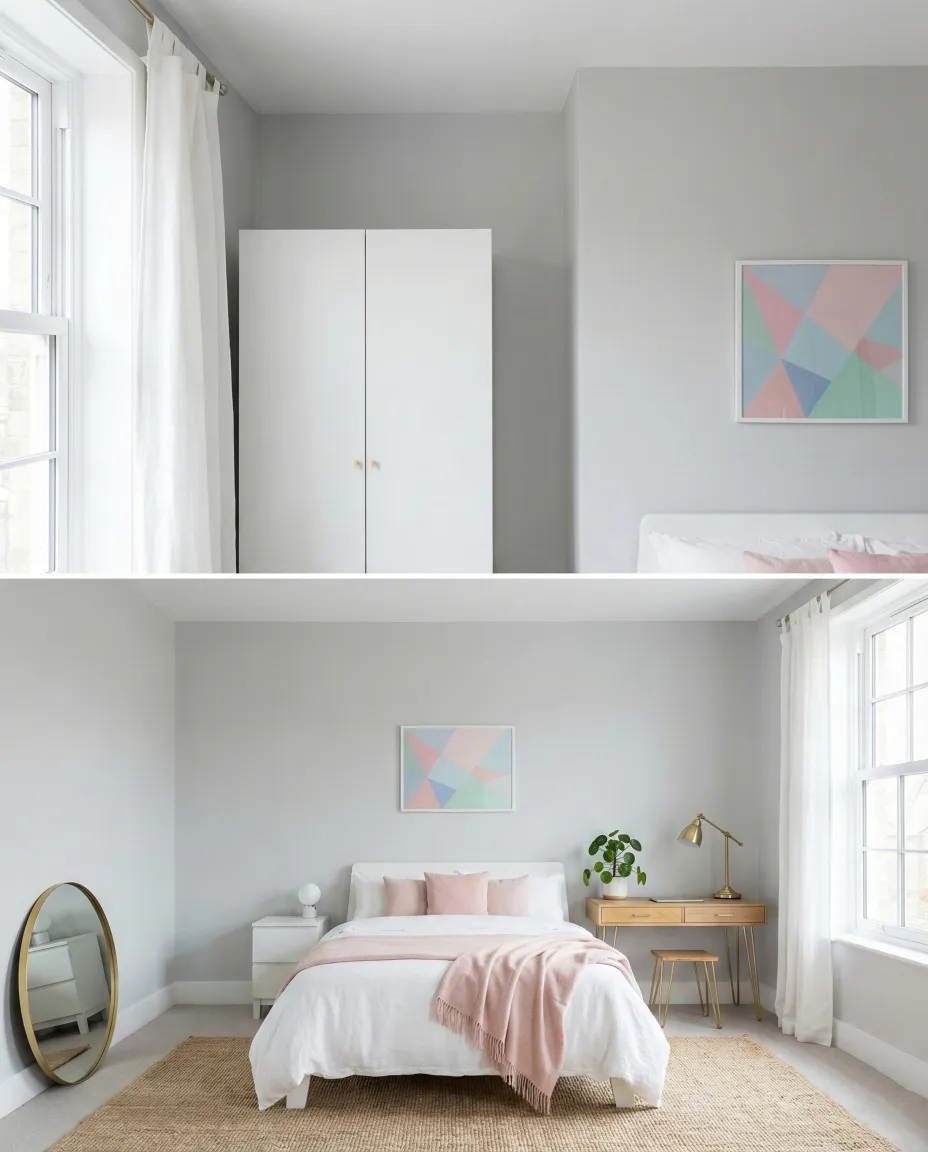
Neutral colors like warm beiges and soft grays also work excellently as a base. They allow decorative and personal elements to stand out without competing. I’ve noticed that rooms with neutral bases age better. When interests change, it’s easier to update accessories than repaint entire walls.
My personal recommendation: avoid colors that are too bright or childish on main walls. An intense pink or bright purple might seem great at first, but they tire quickly. Instead, use those colors in elements you can change easily: pillows, rugs, wall art, or lighting. This gives you flexibility to update the space without major investments.
For accents, blush pinks, lavender, and soft yellows work especially well against neutral backgrounds. They create energy without overwhelming. Deep burgundy and navy are also gaining ground as alternatives to traditional pastels, especially for girls who want something different but equally sophisticated.
Designing a Functional Study Area for Teen Girl Rooms
The study area is probably the most important section of a teen girl bedroom. It’s also the one most neglected in terms of design. A good study space isn’t just a desk and a chair. It’s an area that promotes concentration, organizes materials, and integrates naturally with the rest of the room. For more ideas on study space design, we have practical guides that work in real bedrooms.
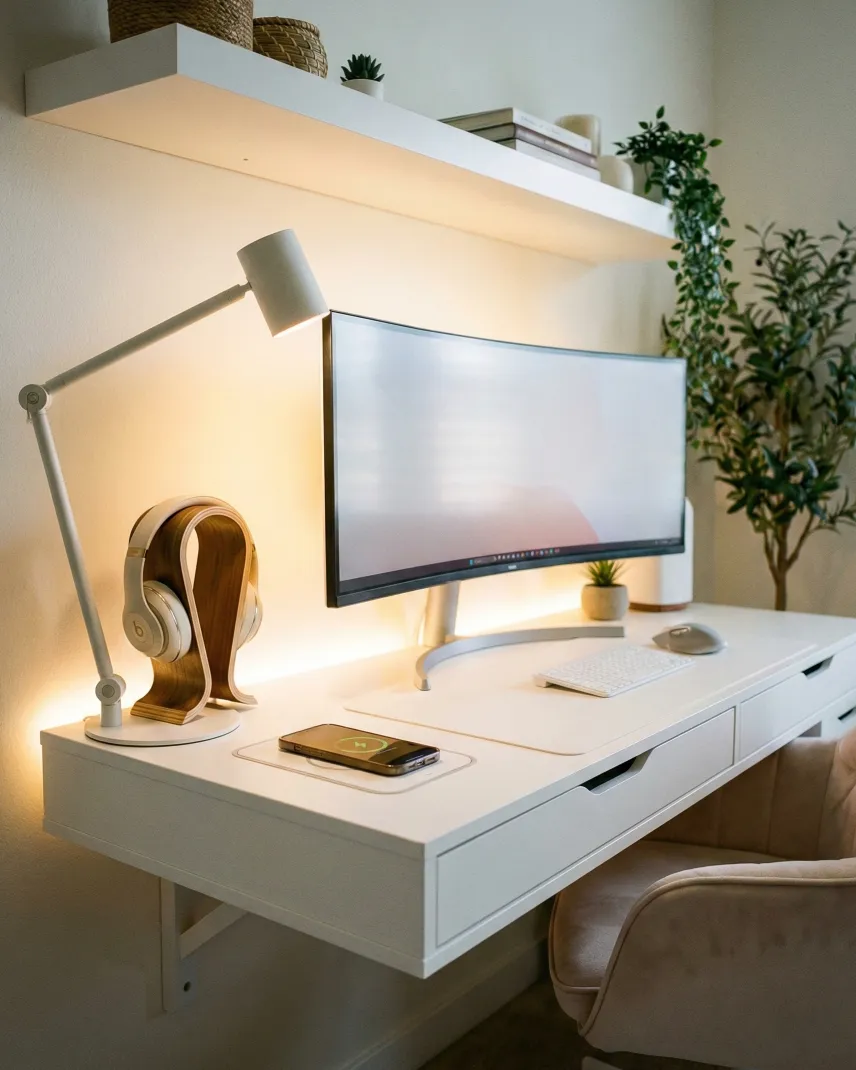
Desk placement matters more than most people think. Placing it facing a window can be tempting. Direct natural light can create screen glare. This setup can also cause visual distractions. A position perpendicular to the window usually works better. You get natural light without the glare problems. If the room is small, consider a floating desk. Or one that integrates with storage to maximize space.
Lighting for Focus and Productivity
Study area lighting is critical. You need a combination of general room lighting. Plus a specific desk lamp. Adjustable LED lights have improved greatly in recent years. They allow changing color temperature according to time of day. This can help with concentration and rest. I’ve seen how good lighting can completely transform the study experience. According to research on efficient lighting, light quality directly affects well-being and productivity.
Organizing Study Materials
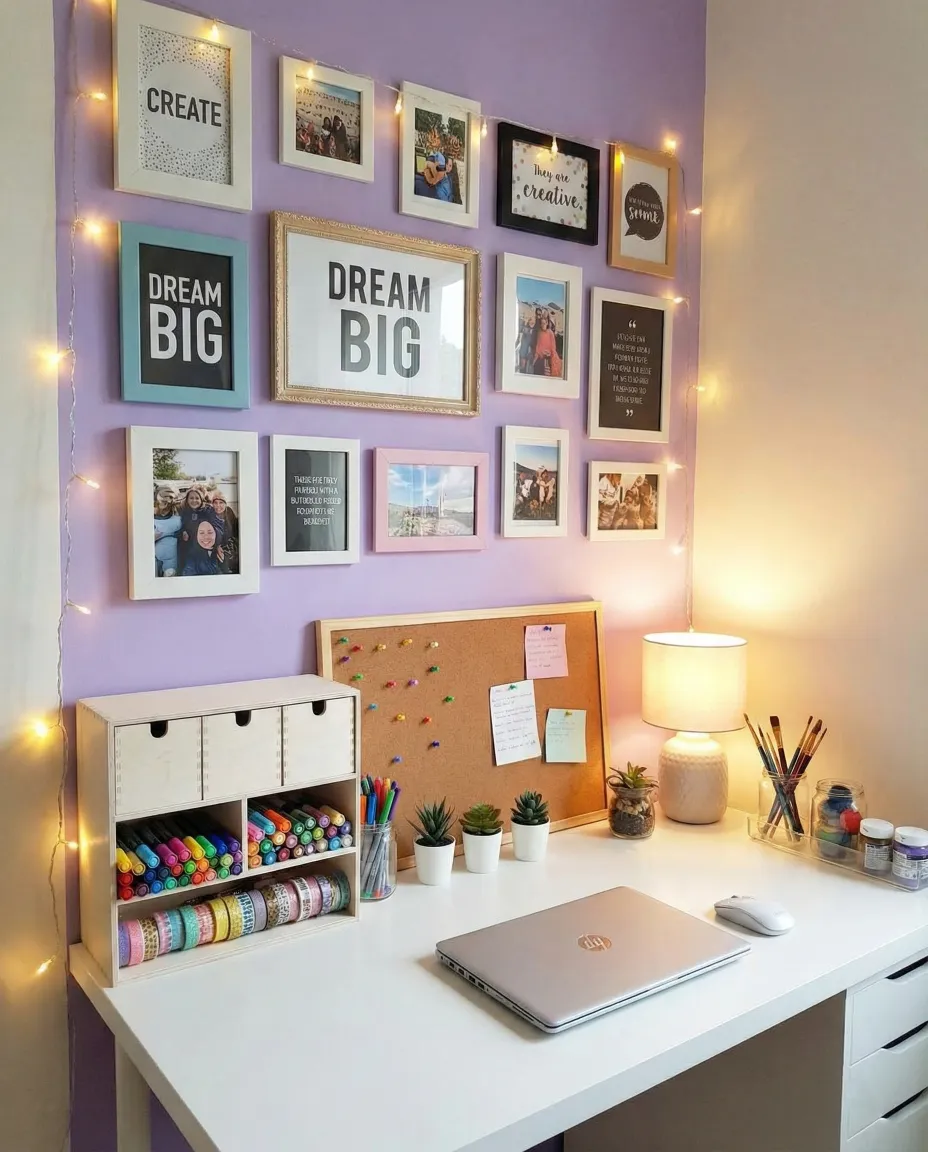
Storage around the desk should be accessible but organized. Floating shelves above the desk work well for books and reference materials. Organizer boxes inside drawers keep supplies tidy. Consider adding a cork board or magnetic whiteboard on the wall for important notes and reminders without taking up desk space.
Here’s my opinion on vanity desks: if your daughter wants a vanity area, consider a desk that can serve both purposes. A desk with a mirror that can be hidden or removed works better than separate pieces. This maximizes space and functionality. Unless the room is very large, dual-purpose furniture is usually the smarter choice.
The chair is another element that many parents underestimate. A comfortable, ergonomic chair can make a huge difference in the ability to concentrate during long study sessions. You don’t need to spend hundreds of dollars, but a basic office chair with good lumbar support is worth the investment.
Technology Integration in Girls Room Design
Teen girls live in a digital world. Their bedrooms need to accommodate technology without it dominating the space. This means thinking about wiring, charging points, and how to integrate screens and devices in ways that don’t create visual clutter.
Wireless chargers integrated into nightstands or desks reduce cable clutter. LED strips behind desks or beds can provide ambient lighting while maintaining a modern look. But here’s the limit: don’t turn the room into a neon showcase. A little LED lighting can be great. Too much can be overwhelming and make rest difficult.
For makeup and beauty setups, consider how to integrate mirrors and lighting so they work for both study and getting ready. Adjustable mirrors with built-in lighting can serve multiple purposes. Dedicated storage for beauty products keeps the space organized and functional.
Storage Solutions for Girls Bedroom Design
Storage is where many teen girl bedrooms fail. They have enough space to store things, but it’s not organized in ways that make maintaining order easy. Girls at this age don’t want to spend hours organizing. They need systems that work with their lifestyle, not against it.
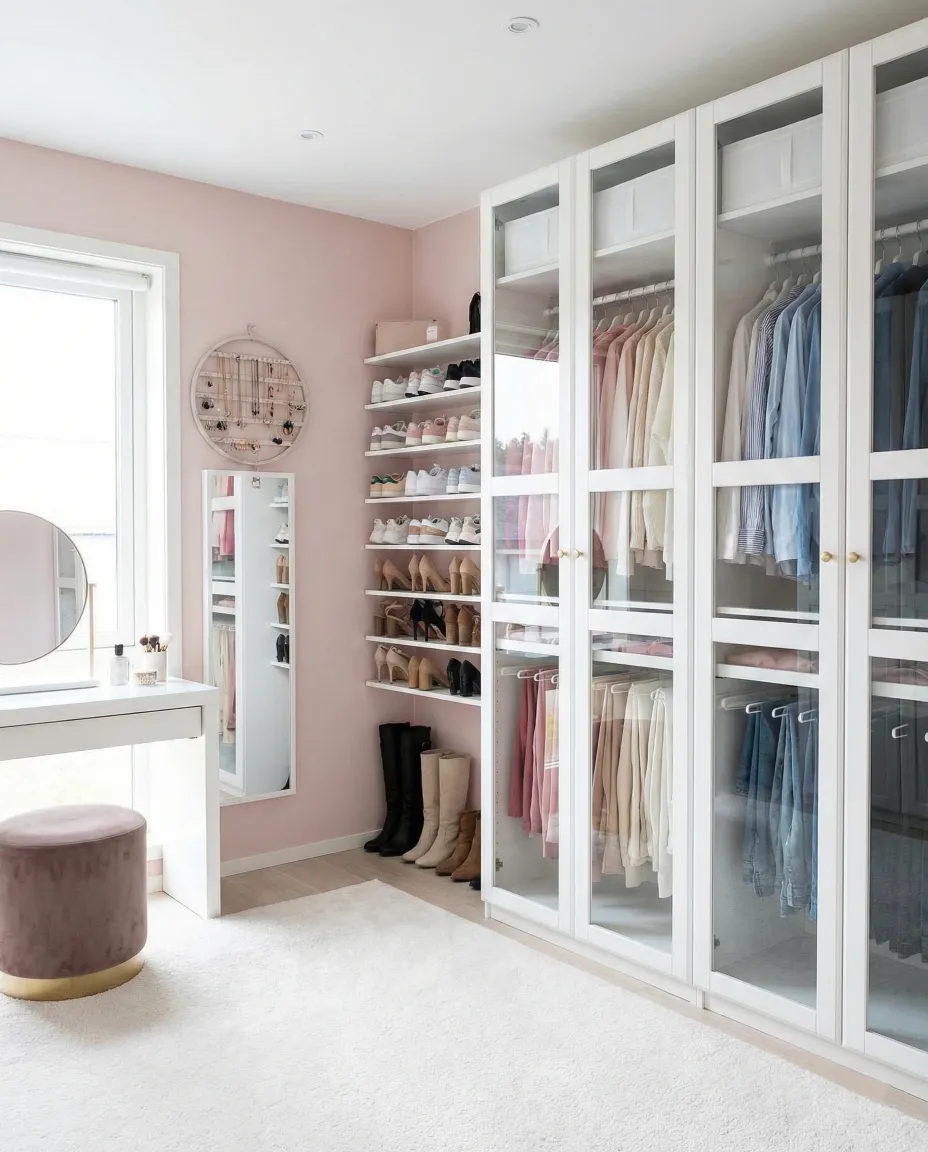
Closets with integrated organization systems make a huge difference. Adjustable shelves work well. Clear organizer boxes keep everything visible. Separators for different types of clothing help keep everything in place. If the closet is small, consider using vertical space more efficiently. Additional shelves or hanging storage systems can maximize available space. For more ideas on closet organization, we have proven strategies that work in small spaces.
Creative Storage for Mature Girls Bedrooms
For items that don’t fit in the closet, under-bed storage boxes are a classic solution for a reason: they work. Choose boxes with wheels for easy access. They can store off-season clothing, extra bedding, or anything that isn’t used daily but needs a place.
Open shelves can be both decorative and functional. They allow displaying books, collections, or decorative items while providing storage. But here’s the warning: open shelves require maintenance. If your daughter isn’t naturally organized, open shelves can become clutter accumulators. In that case, consider shelves with doors or organizer boxes that hide content but keep access easy.
For small spaces, vertical storage is your best friend. Shelves that go up walls, door organizers, and modular storage systems can maximize every available centimeter. I’ve seen small bedrooms transform completely when intelligent vertical storage is implemented.
My practical advice: before buying any storage solution, make a real inventory of what needs to be stored. Clothing, shoes, books, beauty products, accessories, study materials. Then design storage around those specific needs, not around what looks good in a store.
Lighting for Teenage Girls Bedrooms
Lighting can make or break a teen girl bedroom, especially for teen girls who use the space for multiple activities. You need lighting that adapts: bright for studying, soft for relaxing, and ambient for socializing or getting ready.
A combination of lighting layers works better than a single light source. General ceiling lighting to see the whole space. Task lighting on the desk for studying. Ambient lighting with table or floor lamps to create atmosphere. Possibly decorative lighting like LED strips or string lights for personalization. The Illuminating Engineering Society recommends multiple layers of light to create functional and comfortable environments.
Smart lights have improved greatly and can be worth the investment if your budget allows. They allow changing color temperature and brightness according to activity. Cooler, brighter light during the day for concentration. Warmer, softer light at night for relaxation. But they’re not essential. A good combination of traditional lights with quality bulbs can achieve similar results.
For the bed area in your teen girl bedroom, consider integrated reading lights or table lamps with adjustable arms. This allows reading or using devices without needing the general room lighting, which is especially useful if sharing a room or if other family members are nearby.
Windows and natural light also matter in teen girl bedroom design. If the bedroom has good natural light, use it to your advantage. But you also need curtains or blinds that can block light when necessary for sleeping or concentrating. Blackout curtains are especially useful for girls who have irregular sleep schedules or need complete darkness to rest well.
Personalizing Your Teen Girl Room
A perfect teen girl bedroom should reflect who she is, not just follow trends. This means finding ways to incorporate her interests, hobbies, and personality into the design without it feeling like a themed little kid’s room.
Art Elements in Teenage Bedrooms
For girls interested in art, consider using art elements subtly. Framed original artwork instead of posters. Dedicated shelves for supplies and finished pieces. Art-inspired color palettes incorporated into the general design instead of obvious decoration. The key is elevating these elements to design level, not leaving them as casual decoration.
Fashion, Music, and Collections
Fashion enthusiasts can have integrated setups that work as part of the overall design. Mirrors with good lighting, organized closet systems, and display areas for favorite pieces. But remember: fashion is an interest, not the entire identity. Make sure the room also works for other things.
For musicians, consider how to integrate instruments or equipment so they’re accessible but don’t dominate the space. Wall shelves for guitars, defined practice areas, and possibly acoustic treatment if needed. But again, think about how these elements integrate with the rest of the design.
Collectors need elegant ways to display their collections. Shelves with lighting, display cases, or dedicated exhibition areas can turn collections into part of the design. Organization is key here. Well-organized collections look intentional. Disorganized collections look like accumulation.
My opinion on personalization: it’s important, but not at the expense of functionality. I’ve seen rooms so personalized they don’t work well for daily activities. Find the balance. Let personality shine through decorative and organizational elements, but keep the design base functional and adaptable.
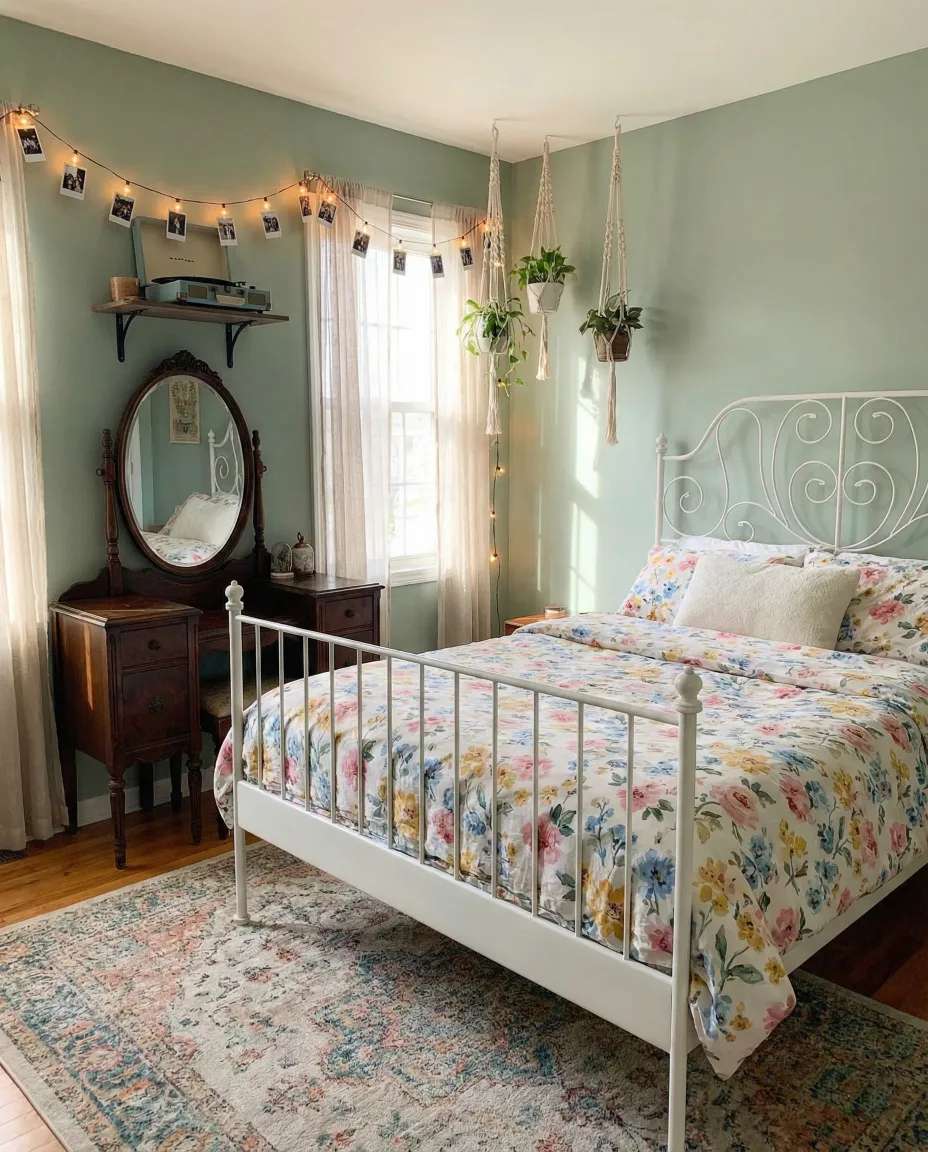
Furniture for Bedroom Design for Teens
Investing in furniture for a teen girl bedroom requires thinking long-term. Tastes change, needs evolve, and you want furniture that can adapt instead of needing constant replacement.
Modular desks are excellent investments. They can be reconfigured as needs change. A desk that can expand gives you flexibility. Adjusting height adapts the space. Integrating with different storage systems maximizes utility. This is especially valuable in small bedrooms. Every piece of furniture needs to do multiple jobs. Research on ergonomics in workspaces shows that adjustable furniture improves comfort and productivity.
Beds with integrated storage maximize space intelligently in teen girl bedrooms. Boxes under the bed, shelves in the headboard, or even elevated beds with work areas underneath can transform a small bedroom. But consider ceiling height. An elevated bed can be great, but not if it makes the space feel claustrophobic.
Modular shelves that can be reorganized and expanded grow with changing needs in teen girl bedrooms. You start with a basic configuration and add pieces as needed. This is more sustainable than buying a complete system that may not adapt to how the space is actually used.
For seating in your teen girl bedroom, invest in basic quality but avoid overly specific styles. A comfortable chair or small sofa will work well for studying, socializing, or any other activity. A very specific style can look outdated quickly if interests change.
My advice on furniture: prioritize quality over quantity. A few well-made pieces that work together are better than many cheap pieces that don’t integrate well. And consider timeless style over very specific trends. A desk with clean lines will work well in five years. A desk with a very specific style can feel outdated quickly.
Textures and Details for Teen Bedroom Design
Small details can elevate a teen girl bedroom from functional to truly special. Textures in bedding, rugs that define areas, and carefully chosen decorative elements create layers of visual interest without overwhelming.
Bedding is an easy opportunity to update your teen girl bedroom look without major changes. Invest in basic quality but allow designs to change as tastes evolve. Layers of different textures, like textured blankets, varied pillows, and quality sheets make the bed feel like a real sanctuary.
Rugs can define areas within the teen girl bedroom and add warmth. A rug under the study area defines that space. Another under the bed creates a rest zone. Choose textures that are practical but also pleasant to touch. Natural fibers like jute or cotton age well and feel warmer than synthetics.
Decorative elements should be intentional, not accumulative. A few well-chosen pieces have more impact than many random pieces. Consider wall art that reflects interests but also has independent aesthetic value. Consistent frames unify different art pieces.
Plants can add life to a teen girl bedroom, but only if there’s enough natural light and interest in caring for them. If not, consider quality artificial plants or simply omit this element. Dead plants don’t improve any space.
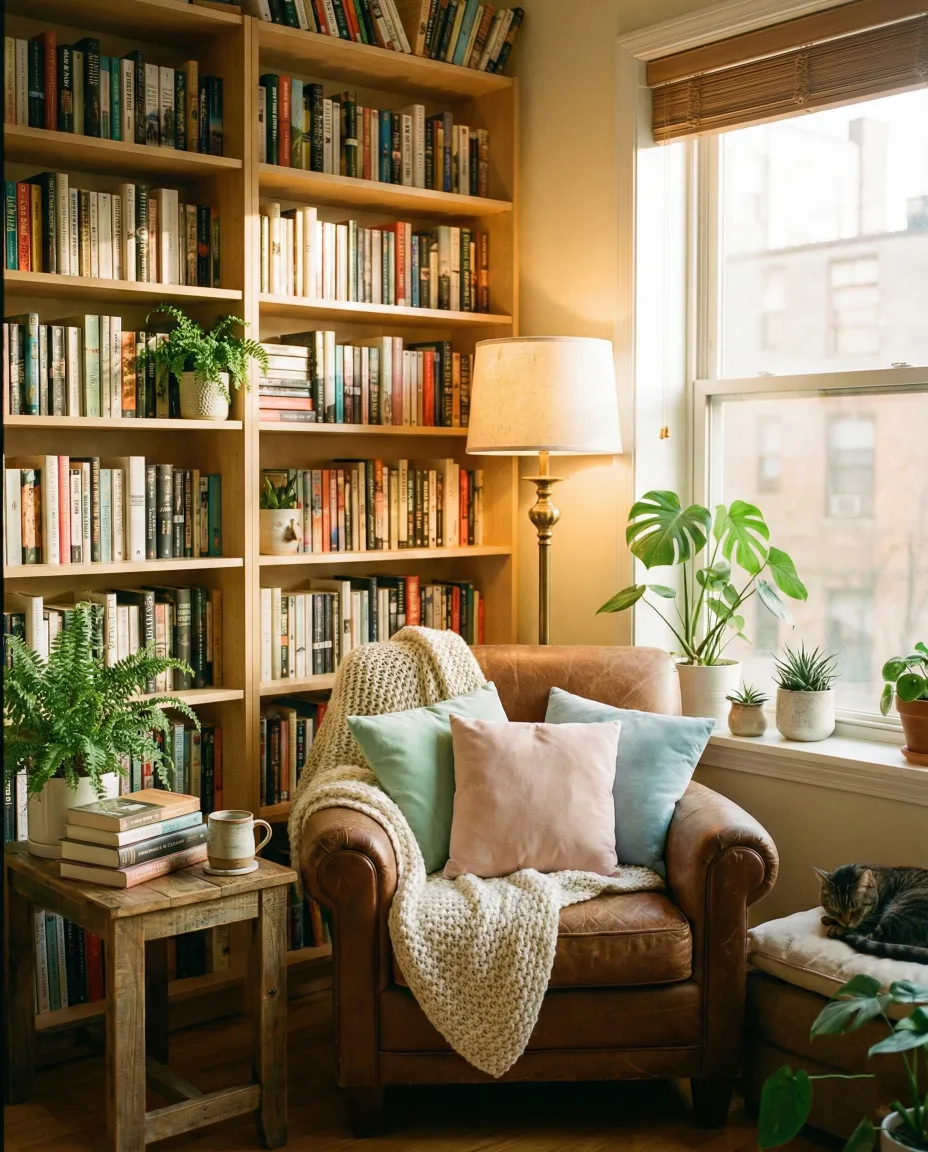
Designing Small Older Girls Rooms
Not all teen girl bedrooms are large spaces with infinite possibilities. Many are small rooms that require creativity and careful planning to work well.
In small spaces, every piece of furniture must do multiple jobs. Consider a bed with storage underneath. Your desk can also function as a vanity. Shelves that provide storage and define areas work well too. The key is thinking vertically and using every available surface.
Mirrors can make a small space feel larger by reflecting light and creating an illusion of depth. A large mirror on a wall can completely transform how a small bedroom feels. But place it strategically to reflect the best light, not just any wall.
Light colors on walls help small spaces feel more open, but you don’t have to completely avoid darker colors. A dark accent wall can add depth without making the space feel smaller if used correctly.
Vertical storage is essential in small spaces. Shelves that go up walls, door organizers, and modular systems that use height instead of floor space maximize every available centimeter.
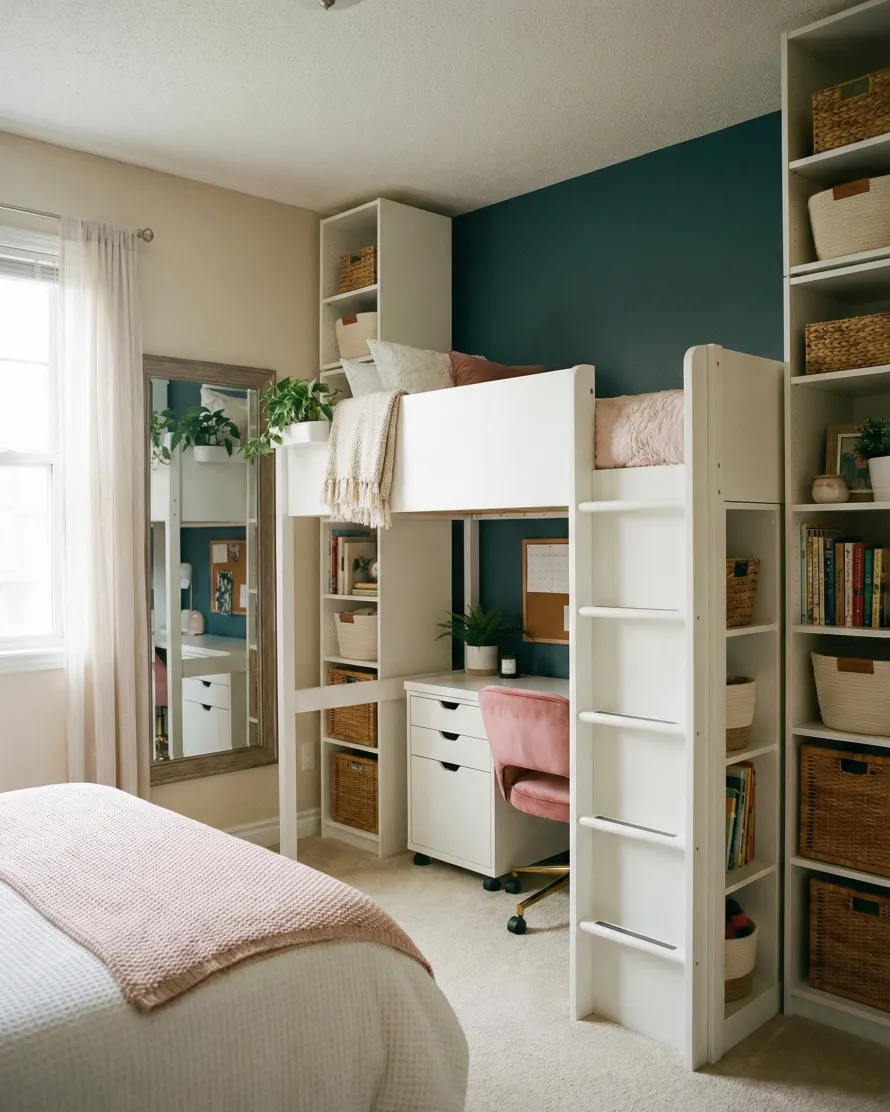
My experience with small teen girl bedrooms: organization is even more critical. Clutter feels overwhelming faster in small spaces. Clear organization systems and maintenance routines make the difference between a space that works and one that feels constantly cramped.
Creating the perfect teen girl bedroom is a process of balance. You need to find equilibrium between functionality and style. The design must also balance personality and practicality. Consider what she wants now alongside what she’ll need in the future. There’s no single formula that works for everyone, because every girl is different and every space has its own characteristics.
The most important thing I’ve learned is that the best rooms emerge from collaboration. Involve your daughter in the process, but guide decisions toward options that work long-term. Listen to her ideas about what she needs, but contribute your experience about what really works in daily life.
Remember that a perfect teen girl bedroom isn’t one that looks perfect in a photograph. It’s one that works well for the person who uses it every day. That allows them to study efficiently, rest deeply, and express themselves authentically. When you find that balance, you’ve created something truly special.
Trends come and go, but good design principles endure. Functional spaces, smart storage, adequate lighting, and elements that reflect personality without overwhelming. These are the fundamentals that will create a teen girl bedroom your daughter will love now and that will continue working as she grows.
Ready to get started? Begin by sitting down with your daughter and talking about how she actually uses her teen girl bedroom. Which activities does she do there? Consider what frustrates her about the current space. Think about which elements make her feel most like herself. With that information, you can start planning changes that really matter. If you need more inspiration, get around into our blog. Are you looking for inspiration for Older Boys Bedroom? We got another post for them!