Most people buy appliances the wrong way. They either cheap out and end up replacing the thing in 18 months, or they overbuy a $400 machine that sits on the counter making them feel guilty.
I’ve done both. Multiple times.
What I’ve learned after years of testing, returning, and occasionally keeping things I truly love: the category matters more than the brand. Some appliance categories are worth spending real money on. Others? A $40 option does the exact same job.
This guide is organized by category. Each one has three picks: a top choice, a best-rated option, and the most affordable one that still holds up. I’ll tell you which tier makes sense for most people, and in a few cases, I’ll tell you to skip the category entirely.









One note before we start. This guide covers the appliances you buy on Amazon and use every week. Refrigerators, ranges, and dishwashers are a different conversation. Bigger decisions. Different research process. That’s not what this is.
Before You Buy Anything: Sarah’s Three-Question Test
Every appliance I consider gets three questions.
- First: does it replace real time or real effort? Not theoretical effort. Actual minutes I spend every week on something I hate doing.
- Second: will the cheap version last? Some categories have a clear performance floor below which you’re just buying twice.
- Third: is there a mid-range sweet spot? Usually yes. Usually it’s not the cheapest and not the most expensive.
If an appliance fails question one, I don’t buy it at all. That’s how I avoided the bread maker phase.
Floor Cleaning: Robot Vacuums and Cordless Vacuums
This is the category where I tell you to spend more than you think you should.
Floor cleaning eats time. Daily. It never stops. The math on a good vacuum is almost always in your favor.
Robot Vacuums
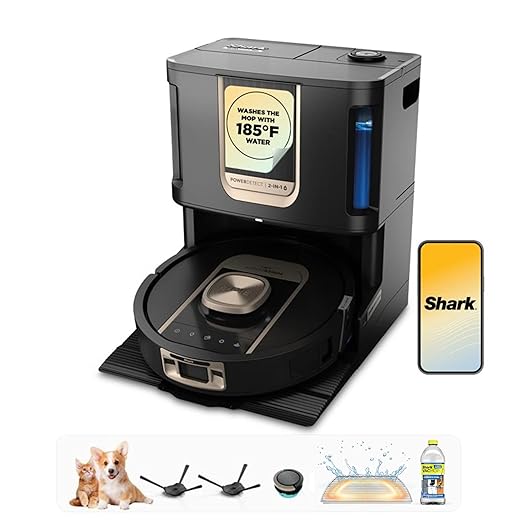
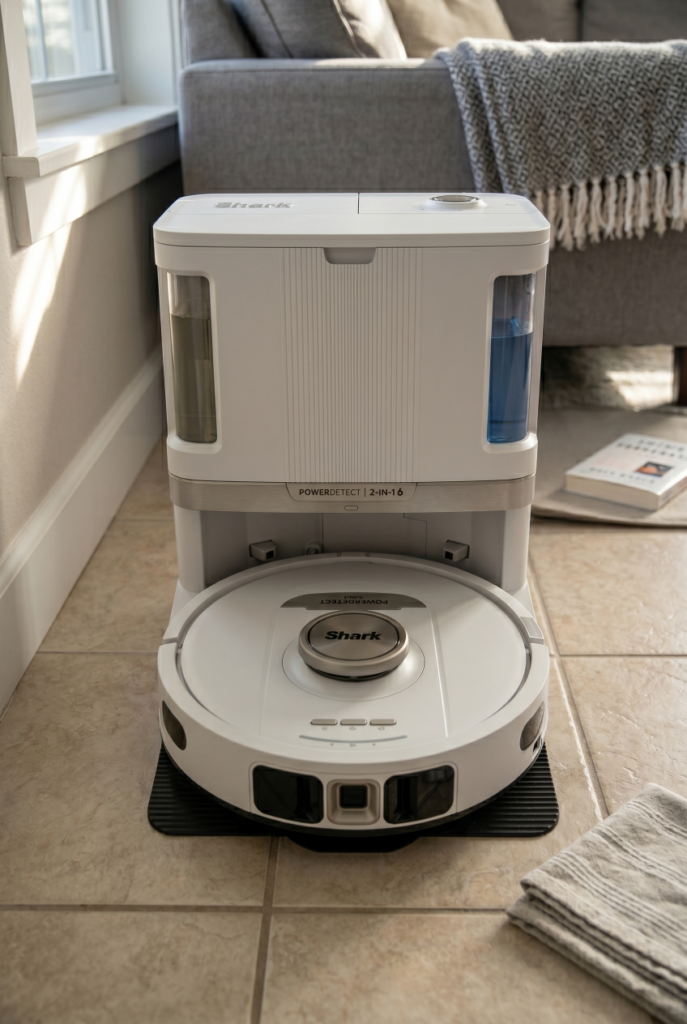
I have the Shark PowerDetect in my house. I use it five days a week. It runs while I’m working. My floors have never been cleaner with less effort. I say that as someone who used to think robot vacuums were a gimmick.
The one thing I wish it did differently: quieter on hard floors. It’s not loud, but you notice it.
The Shark PowerDetect handles vacuuming and mopping, auto-empties, and uses AI to detect stains and scrub harder. It is the right call for most people.
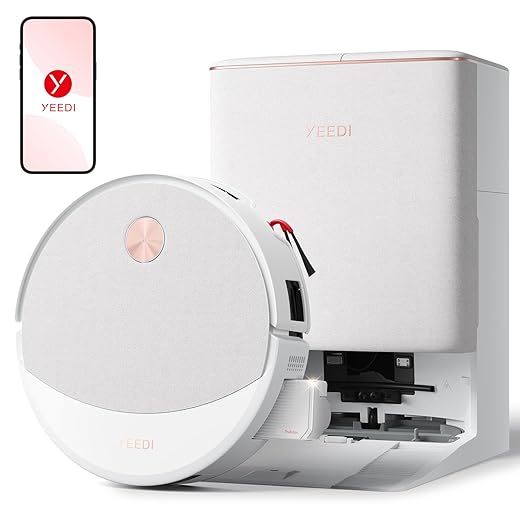
The MOVA P10 Pro Ultra is the budget pick worth respecting. It has LiDAR navigation and a multifunction dock. Features that were $1,000 territory two years ago. If $249 is your ceiling, this is not a compromise. It is a solid machine.
iRobot is off the recommendation list for now. The brand filed for bankruptcy in late 2025, and the future of its app and support is uncertain. Don’t buy a Roomba right now.
Cordless Vacuums
Here’s the part no one talks about: a robot vacuum and a cordless vacuum are not competitors. They do different things.
The robot handles daily maintenance. The cordless handles the mess you made today, the couch cushions, the car, the stairs.
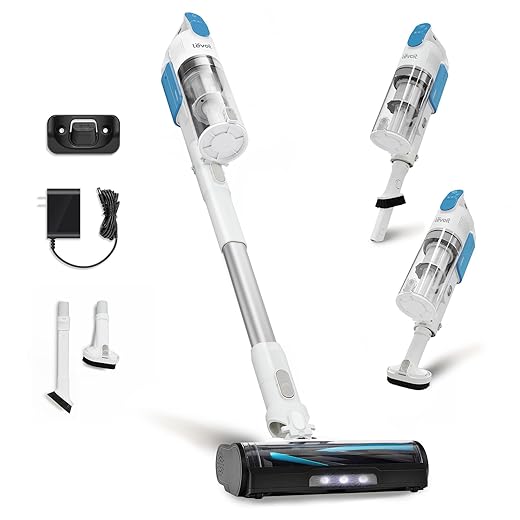
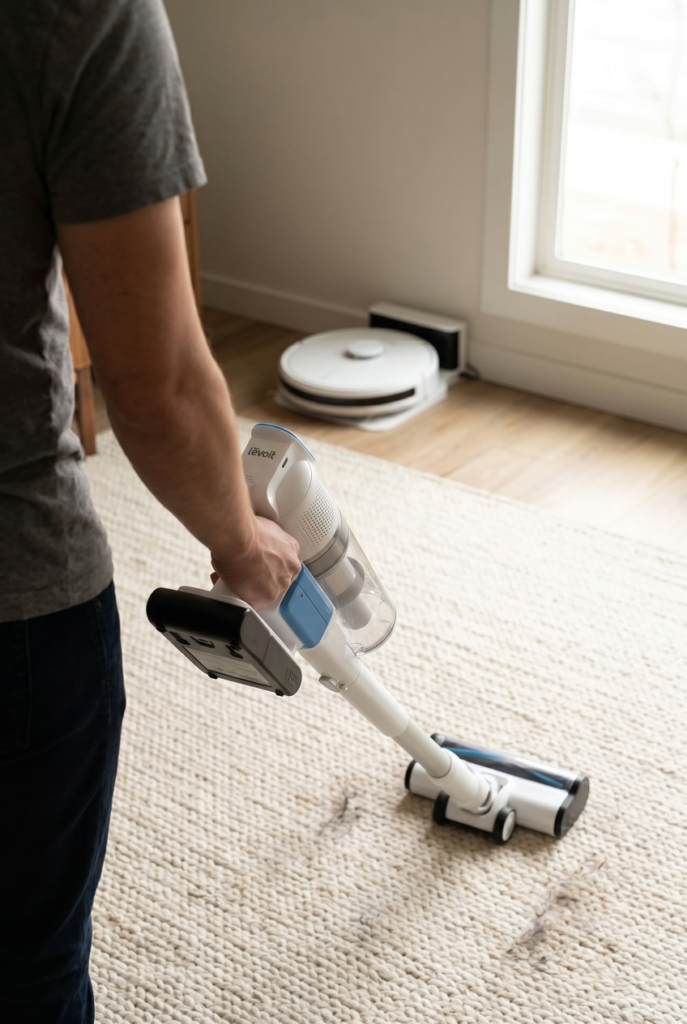
I’ve owned three cordless vacuums. My current one is the Levoit LVAC-200. For the price, it surprised me. Sealed HEPA filtration, 50-minute battery, lightweight. It’s not a Dyson. But it handles everything I throw at it.
The Dyson V11 is real. The suction is noticeably different on thick carpet. But if your home is mostly hard floors with a few rugs, the Levoit LVAC-200 closes that gap significantly.
Air Quality: Air Purifiers and Humidifiers
Two different problems. Often confused.
An air purifier removes particles. Dust, pollen, pet dander, VOCs. It filters what’s already in your air.
A humidifier adds moisture. Dry sinuses, cracked lips, static, dry skin in winter.
You might need both. You might need neither. What you probably don’t need is the $600 combo unit that does both passably and neither well.
Air Purifiers
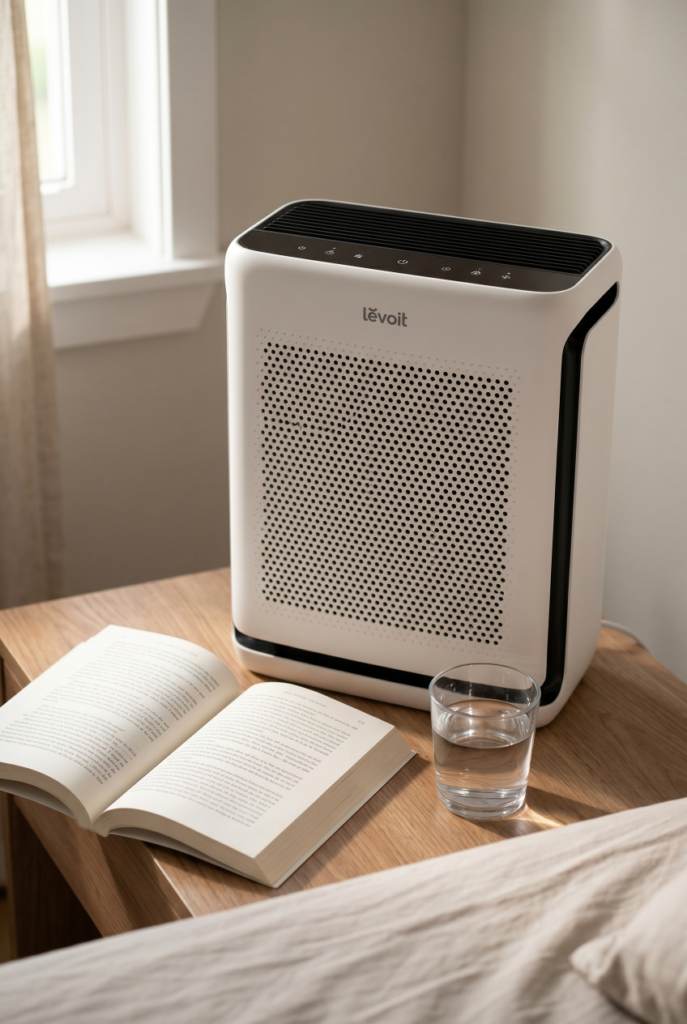
Levoit owns this category at the mid-range. That’s not a sponsored opinion. It’s just where the data lands. Their filtration performance per dollar is consistently ahead of competitors at the same price.
The Core 200S in my bedroom came after a wildfire smoke summer two years ago. I’ve kept it running ever since. On high-pollen days, the difference is real enough that I notice when I forget to turn it on.
The mistake I see everywhere: people buy a purifier rated for 200 sq ft and put it in their 400 sq ft living room. The coverage rating matters. Buy for the room size, not for the smallest number on the box.
Humidifiers
Most people in the US need a humidifier in winter. That’s not a controversial take.
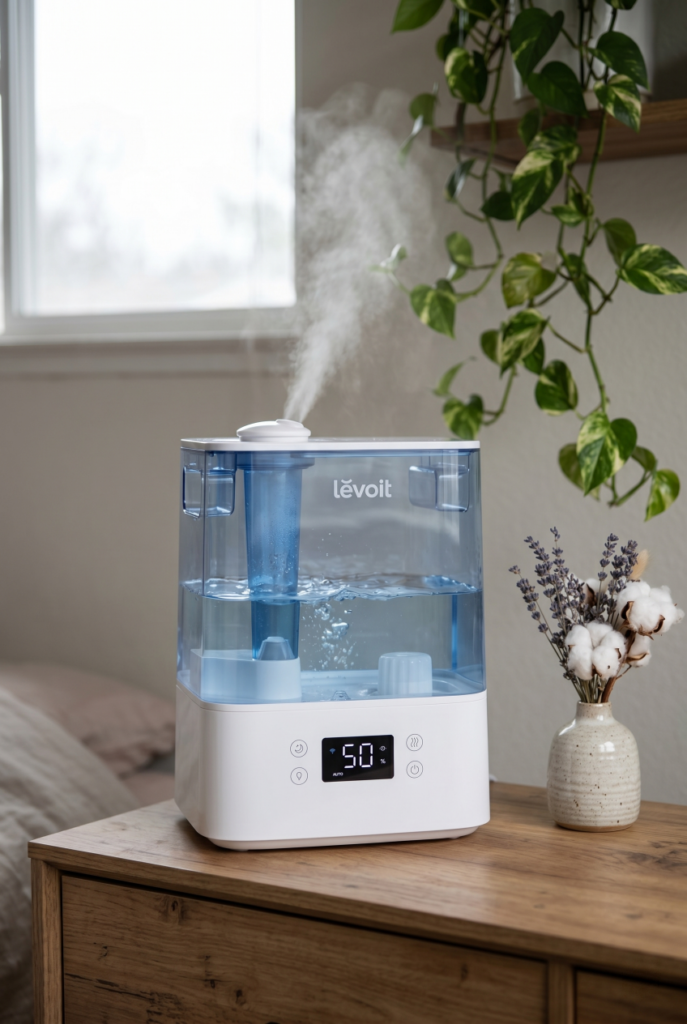
Forced-air heating is brutal on indoor humidity. Your throat, your skin, your wood furniture. They all suffer. A $30 humidifier running through January does more for your comfort than most things on this list.
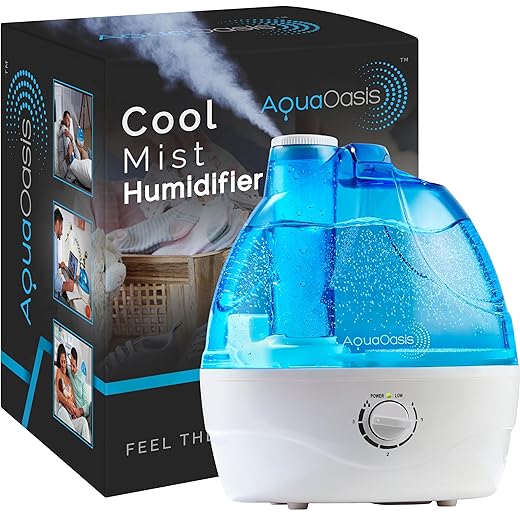
The AquaOasis at $29 is one of my top recommendations on this entire list. For most bedrooms, it is enough.
Deep Cleaning: Steam Cleaners and Steam Mops
This is where I need to be honest with you.
Most people do not need a steam cleaner.
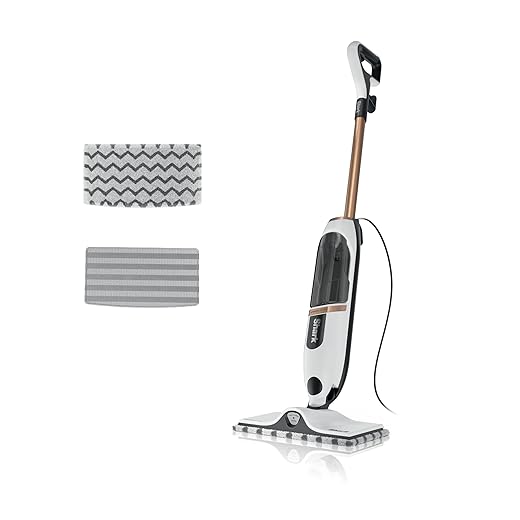
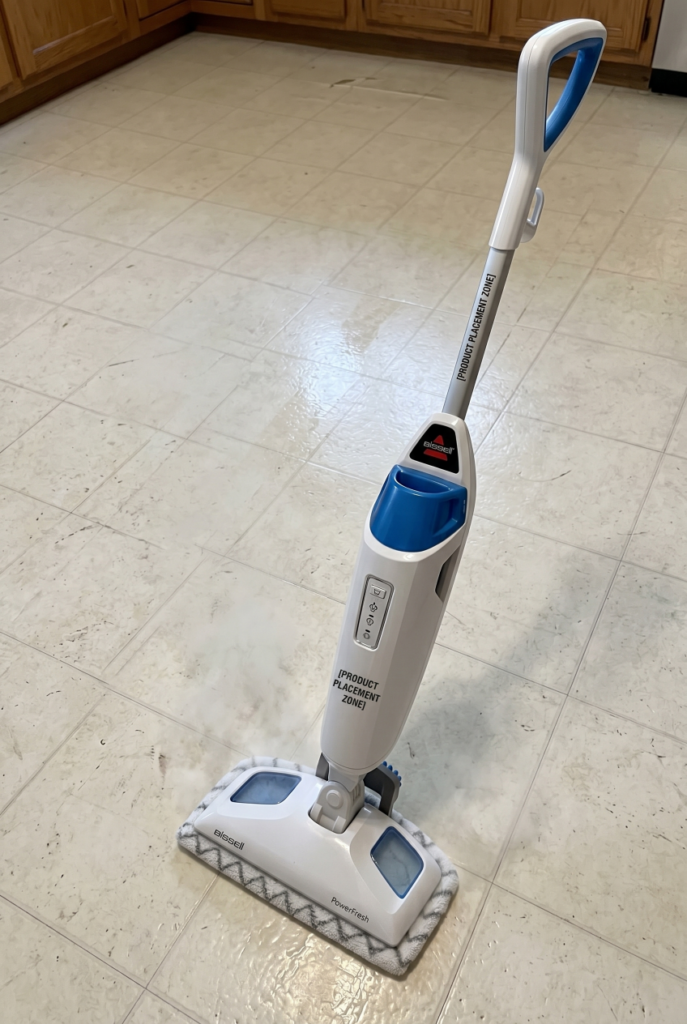
If you have tile floors, a steam mop is worth every dollar. It cleans grout without chemicals. It sanitizes without scrubbing. I have one and I use it every two weeks. It has changed how my kitchen floor looks.
If you have mostly hardwood or carpet, skip this category entirely. Steam and hardwood floors are not friends.
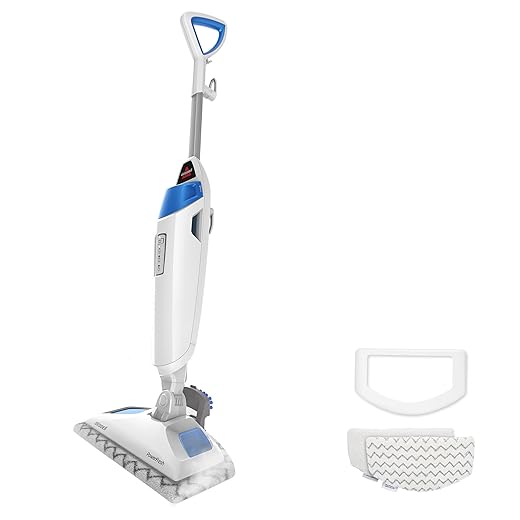
The Bissell PowerFresh is the one I have. It heats up in 30 seconds. The scrubby pad attachments handle grout without me getting on my hands and knees. Worth every dollar for tile homes.
Laundry: Portable Washing Machines
This section is for apartment dwellers, renters, and anyone without in-unit laundry hookups.
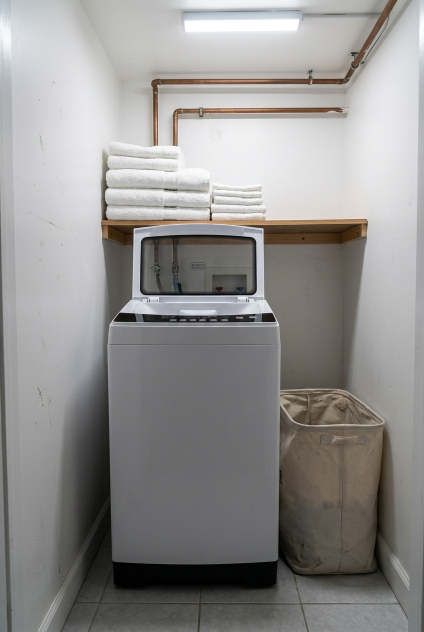
Full-size washers and dryers are a separate guide. This is specifically the category of compact, portable machines that fit in a closet or laundry nook and connect to a sink faucet.
I don’t have one of these. I have in-unit laundry. But I spent two years without it in a previous apartment, and I would have paid anything to avoid the laundromat on a Tuesday night. I’ve been doing some research, and based on the reviews, these are the best ones. I recommend that you do your own research before buying any of them!
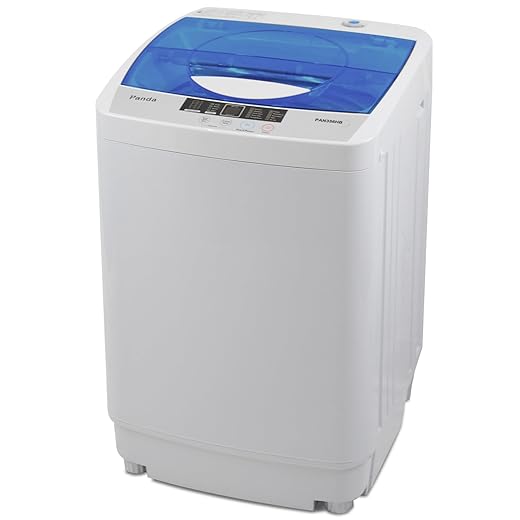
The Black+Decker has the most consistent reviews for getting clothes clean. The Panda is fine for light use. Think one or two people, small wardrobe items.
Small Kitchen Appliances: Air Fryers and Coffee Makers
Two categories. Two very different buying mistakes.
Air Fryers
The mistake I see everywhere: buying too small.
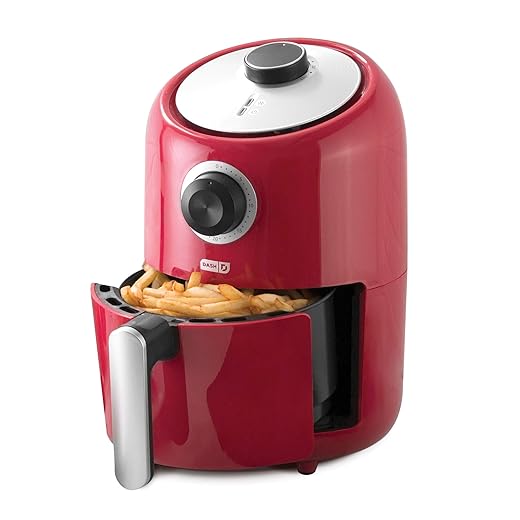
A 2-quart air fryer looks appealing because it’s compact. Then you can’t fit a chicken breast in it without cutting it into pieces. For one person, 4 quarts. For two or more, 5.8 quarts minimum.
That’s it. That’s the whole tip. Get the right size and almost any decent air fryer will serve you well.
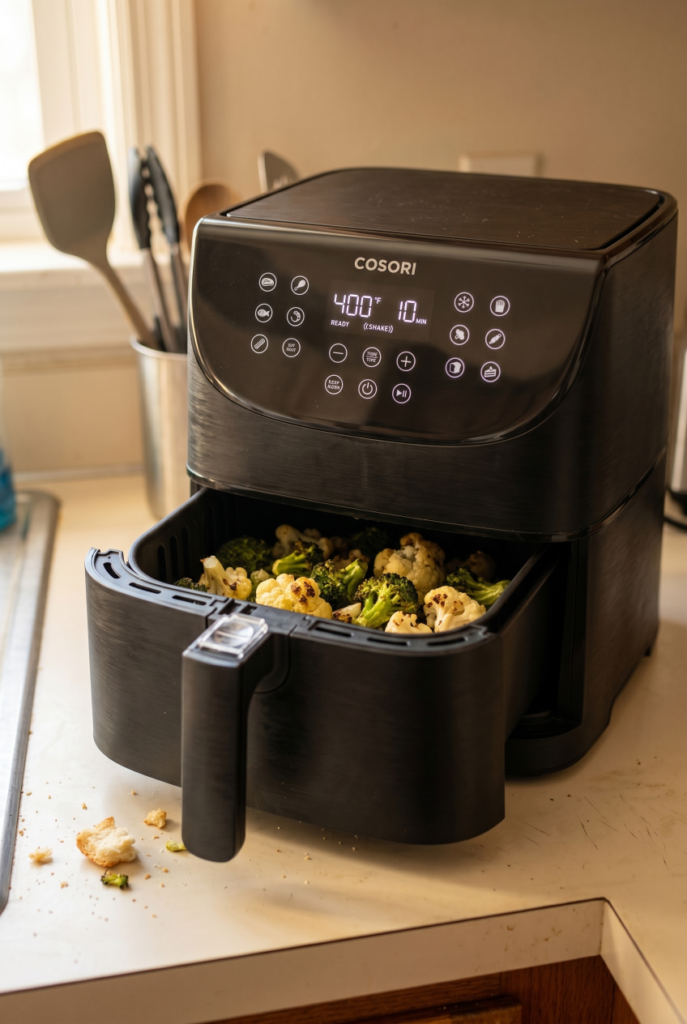
I have the Cosori 5.8qt. I use it four times a week. I’ve had it for two years. Still going strong.
Coffee Makers
This is where personal preference overrides everything else I’d normally say.
If you drink one cup a day, a Keurig makes sense. If you drink three cups a day, a drip coffee maker is dramatically cheaper per cup over time. The pods add up fast.
I switched from a Keurig to a Hamilton Beach drip maker three years ago and I haven’t looked back. The coffee is better and I’ve saved an embarrassing amount of money on pods.
The Appliances I’d Skip (for Most People)
This is the part no one talks about in buying guides. The stuff that sells but rarely earns its counter space.
- Juicers. Most people use them twice. The cleanup is not worth it unless you juice daily and have a routine built around it. A blender does 80% of what most people want.
- Bread makers. The bread is good. You will make it four times and then the machine will live in a cabinet. Unless you already bake bread by hand regularly, this is not the gateway to a bread-making habit.
- Egg cookers. A pot of water does the same thing. For $0.
- Vacuum food sealers. Useful for hunters and people who batch-cook meat in serious quantities. For everyone else, reusable silicone bags and a good container system do the job without the drawer full of roll material.
I’m not saying these are bad products. I’m saying most people’s lives don’t change when they own one.
Before You Add Anything to Cart
Shark and Dyson for vacuums. Levoit if you’re buying an air purifier. Hamilton Beach for small kitchen appliances on a budget. Those three cover most of what’s in this guide. Full-size laundry is a different conversation, but if you’re going there, Whirlpool and LG have the strongest long-term track records.
Floor cleaning first. Every home needs a vacuum. Cordless or robot, ideally both eventually. Then an air purifier if you have allergies, pets, or live somewhere with seasonal wildfire smoke or high pollen. Coffee maker only if you drink coffee daily. Everything else is secondary.
Portable and non-permanent. A cordless vacuum, a compact air purifier, a portable washer if you lack in-unit laundry, and a countertop air fryer. None of these require installation. All of them go with you when you move.
The $249-$450 range is where real value lives right now. Below $200, navigation and suction are usually not good enough to be a genuine time-saver. Above $600, you’re paying for features most people don’t use. The $300-$500 sweet spot gets you LiDAR navigation, decent suction, and in most cases a self-emptying dock.
They do different things, so yes. If you have both problems, you need both solutions. The good news is the entry price for a solid humidifier is $29 and a solid small air purifier is $35. Running both for a bedroom costs under $70 to start. That’s not a budget-breaking combination.