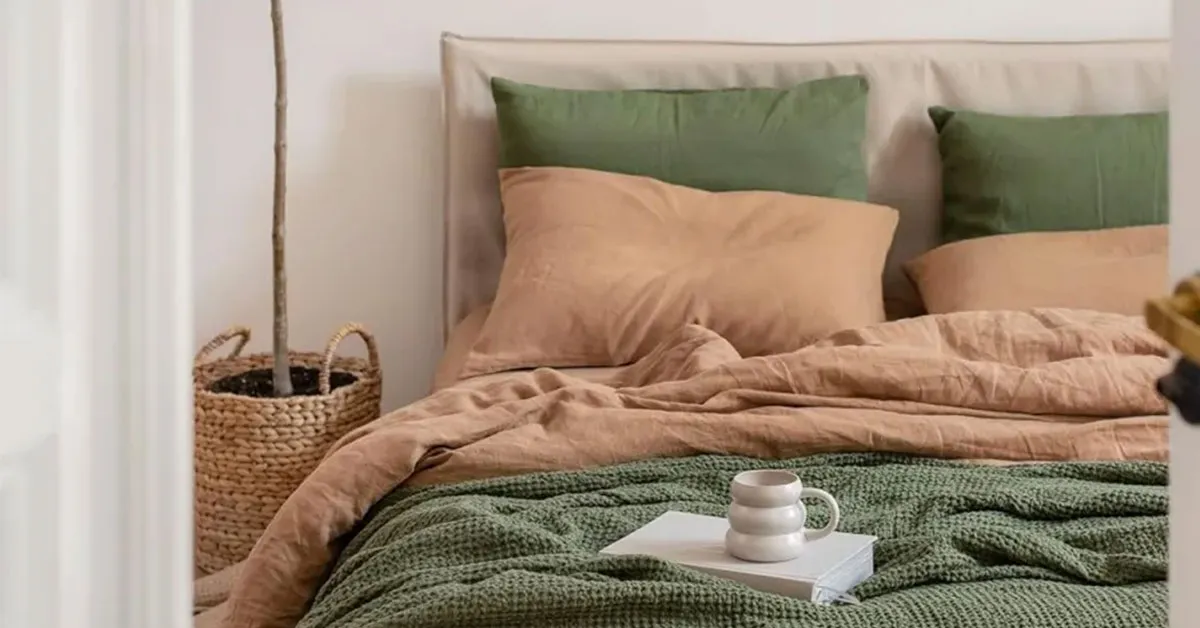
To warm up a drafty apartment, find the leaks first, seal them with removable weatherstripping, hang thermal curtains, block the door bottoms and cover bare floors. Every fix below is renter-safe and reversible, and the US Department of Energy’s Energy Saver guide backs the same short list.


UERMEI 8×10 Outdoor Jute Area Rug Patio Neutral Washable Geometric Brown | Easy Non Slip Pet Friendly Indoor Farmhouse Carpet for Living Room Bedroom Dining…
Find where the cold gets in
On a windy day, run the back of your hand slowly along window frames, the door perimeter, baseboards on exterior walls and around outlets on outside walls. Cold spots announce themselves. A stick of incense or a thin strip of tissue works too: where the smoke or tissue flutters, air is moving. Mark each leak with painter’s tape so the sealing session has a map.
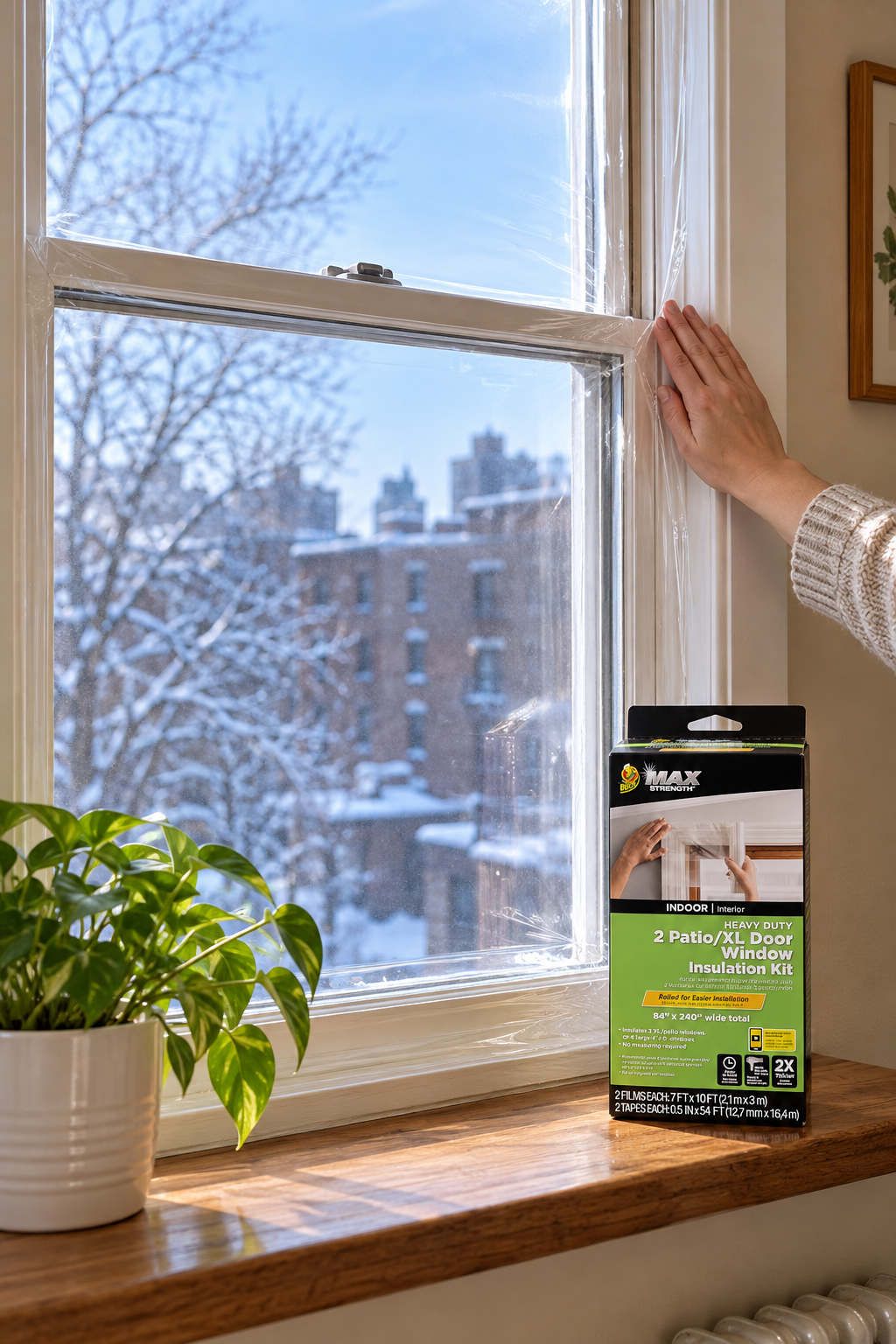

Duck Brand MAX Strength Window Insulation Kit, 84in x 120 in, 2 Pack- Clear | Winter Window Seal Kit Fits Patio Doors & Large Windows, Heavy Duty Shrink Film…
Seal windows with removable weatherstripping
Self-adhesive foam tape along the window sash stops the whistling kind of draft, and it peels off in spring without damaging paint. The DOE’s consumer guide to air sealing puts weatherstripping first on the list of cheap fixes because the gaps around movable parts are the biggest leaks. For a window you never open, rope caulk seals tighter and still removes cleanly. Renter’s note: both come off without residue, so the deposit stays safe.
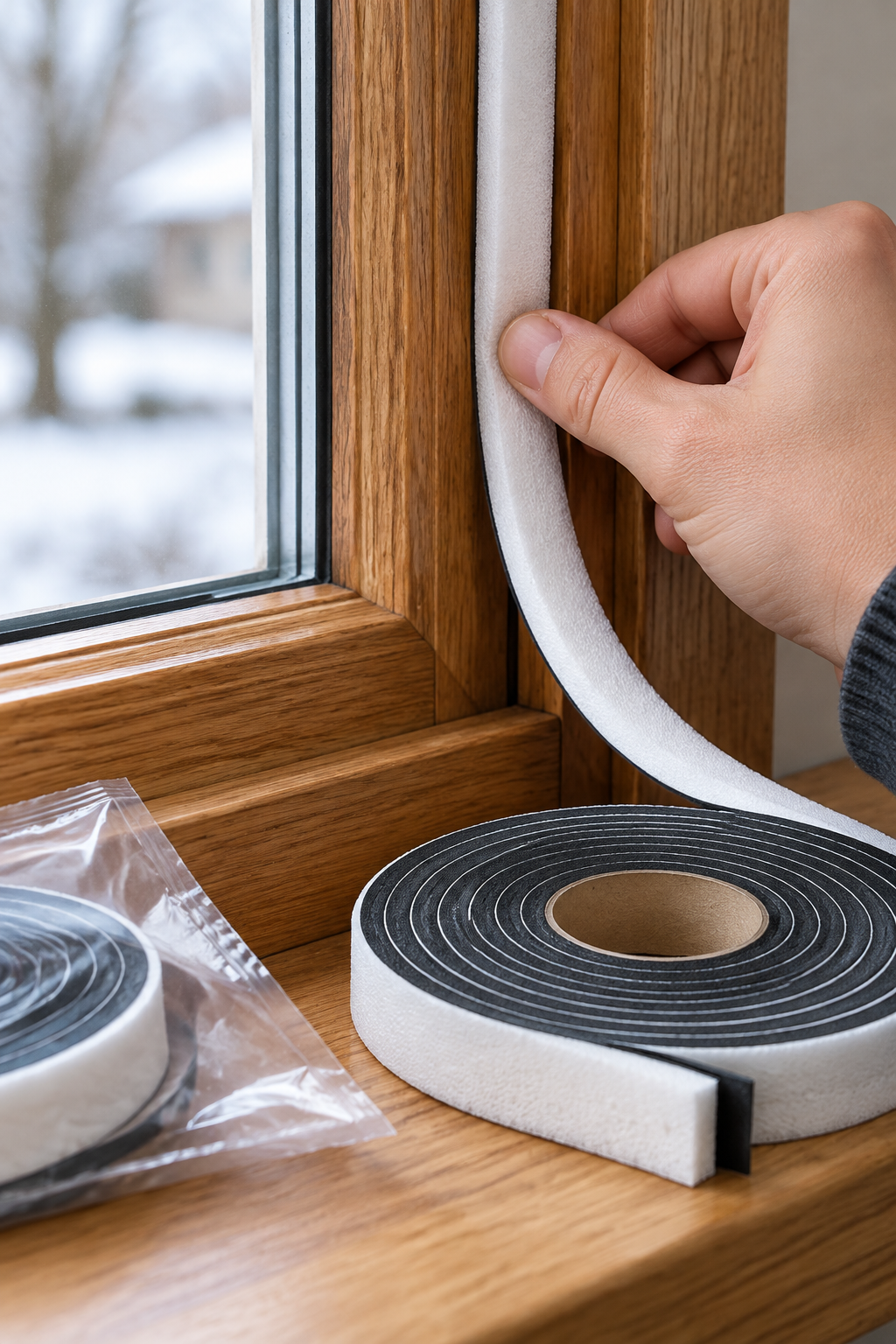
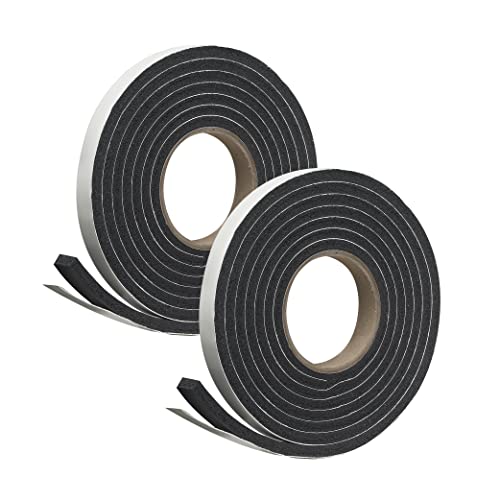
Frost King R534H Sponge Rubber Foam Tape, 3/4-inch by 5/16-inch, 10-feet Long – Black, 2-Pack
Hang thermal curtains, and use them on a schedule
Heavy lined curtains cut heat loss through glass noticeably. The trick is the schedule: open them on sunny mornings so the low winter sun warms the room, close them at dusk to trap it. The DOE makes the same point about using sunlight as free heat. Curtain liners clip onto existing panels if you do not want new rods or new curtains.


NICETOWN Biscotti Beige Blackout Curtains for Living Room 52" x 84" 2 PCs | Completely Shaded Drapes Curtain Panels, Ring Top Black Lined Insulated Window…
Block the door bottoms
The gap under an apartment door can leak as much air as a small window left cracked open. A fabric draft stopper laid along the bottom costs a few dollars and needs no installation. For the door to the hallway, a stick-on sweep works if the landlord allows it; the stopper needs no permission at all. The same logic that keeps winter mud out of a small entryway keeps the cold out too.
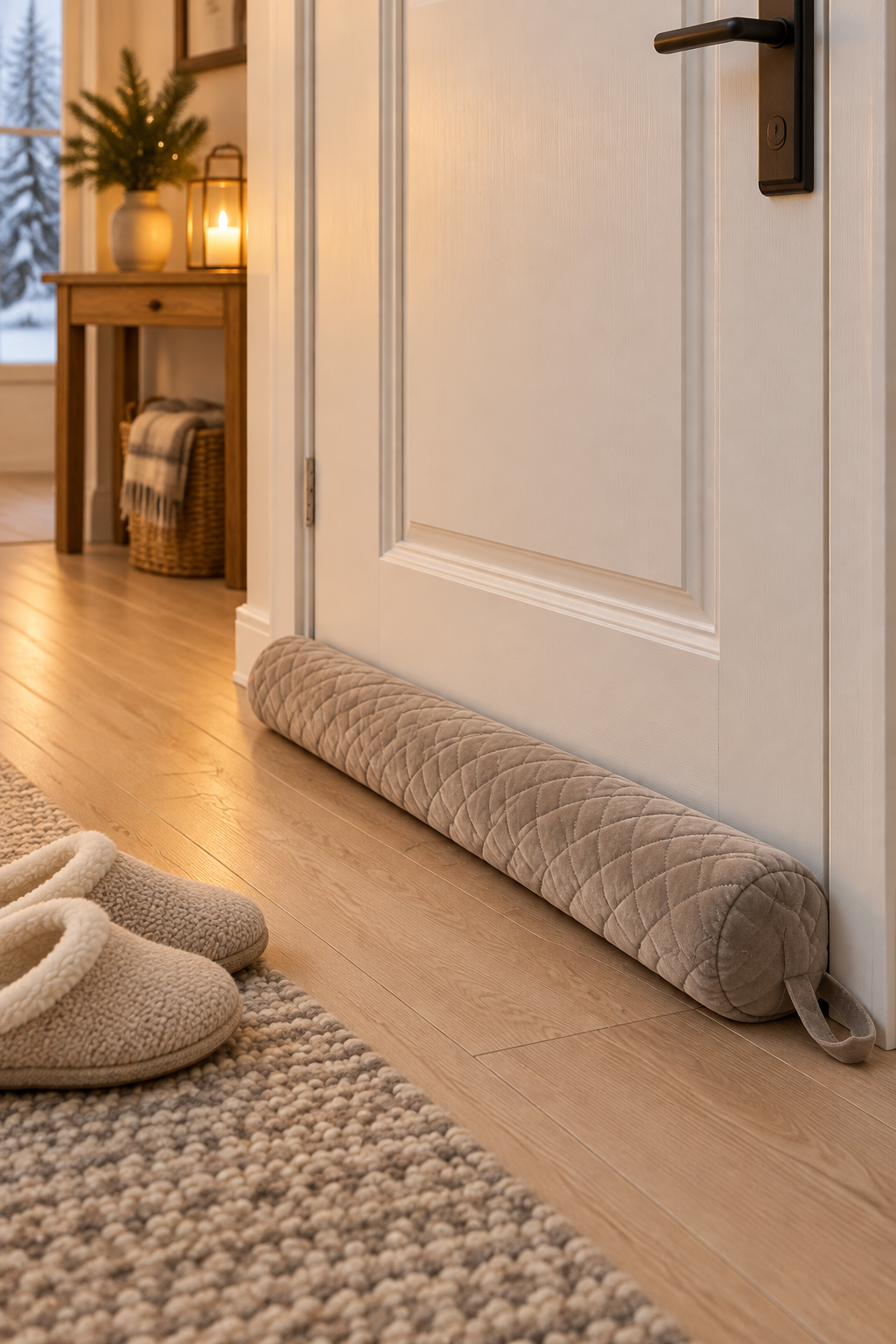

Holikme Velvet Under Door Draft Stopper 36 Inch Door Seal Gap Filler | Slide Under Door Sweep Seal for Interior Doors, Blocks Cold Air Hot Wind Noise Light…
Cover bare floors
Bare floors feel cold and lose heat, especially over unheated spaces. A rug adds a real insulation layer underfoot and changes how warm the room feels at the same thermostat setting. Size it right and the room also looks finished; this rug size guide covers the margins that work in a small living room.
Rearrange away from the cold walls
Move the sofa and the bed a few inches off exterior walls, and pull them toward the center of the room where air is warmer. A bookcase against a cold outside wall adds a pocket of still air that works like light insulation. It costs nothing and it is reversible in an afternoon.
Make the air feel warmer
Dry winter air feels colder than humid air at the same temperature, which is one reason a small humidifier earns its counter space. Warm-toned lighting changes the feel of a room too; the right bulb temperature, covered in this light bulb color guide, makes evenings read as cozy instead of cold. And when you finally get into bed, flannel sheets do for the night what weatherstripping does for the windows.