Why I look at the glass first
Every November I catch myself doing the same thing: the air feels dry, so I start shopping for a humidifier. This year I looked at the windows first.
The EPA says to keep indoor humidity below 60 percent, and ideally between 30 and 50 percent. It also says condensation on windows, walls or pipes can be a sign of high humidity. So a foggy pane in January might mean your room already has more moisture than it needs, and adding a humidifier would push it the wrong way.
Measure first, with a cheap gadget
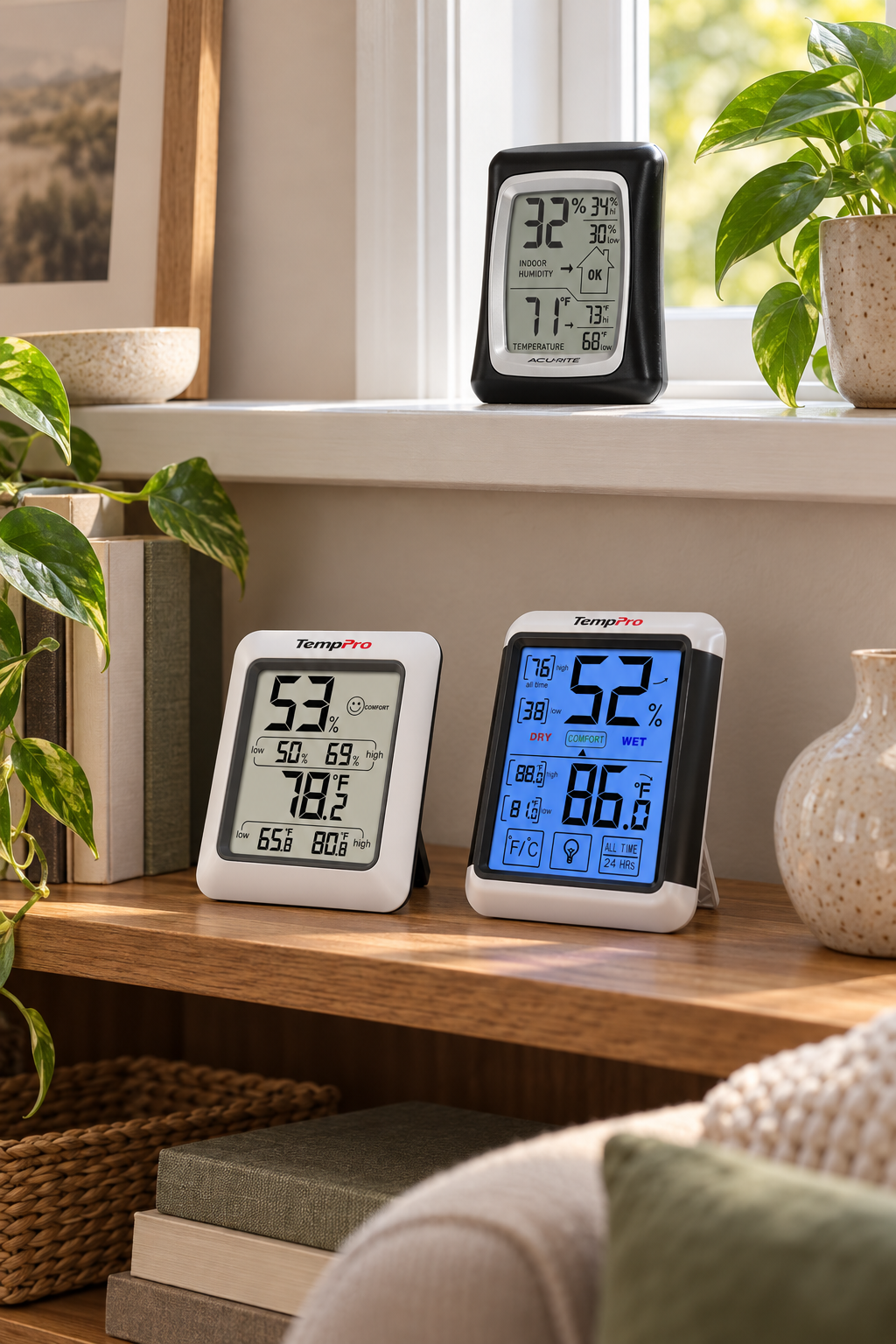
The tool is a hygrometer, a small meter that reads relative humidity. The EPA describes it as inexpensive, roughly $10 to $50 at hardware stores. Put it where you actually sit or sleep, not on the kitchen counter, and read it at the same time of day for a few days.
What the number tells you:
- Under 30 percent: that is below the EPA’s preferred range, so the air is on the dry side. If it stays there across repeated readings, a humidifier is one option, not a must.
- 30 to 50 percent: you’re in the range to aim for. Skip the humidifier.
- Over 50 percent: do not add moisture. The EPA says not to humidify above 50 percent indoors.
What your windows are telling you
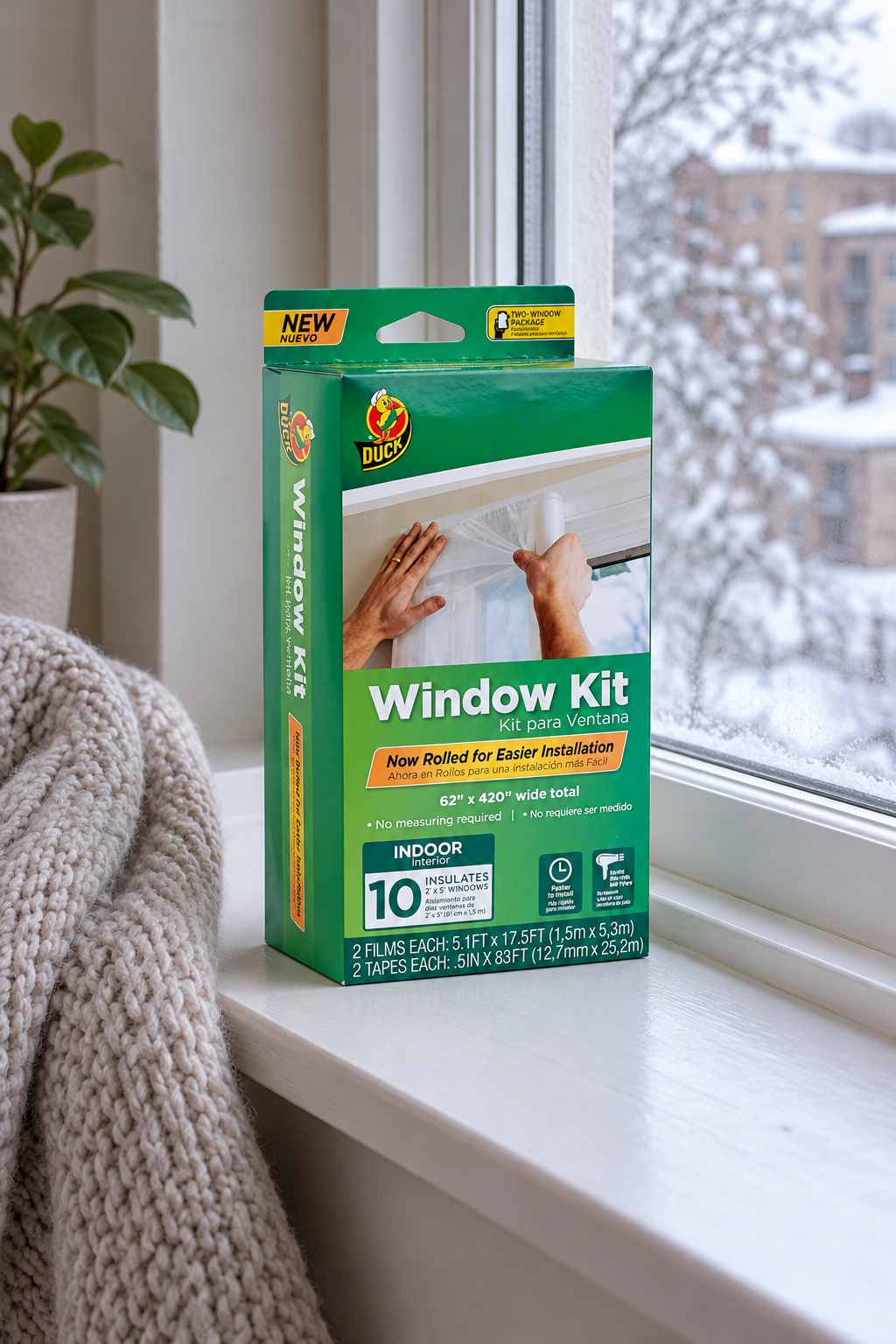
Condensation on the inside of the glass is easy to spot: fog in the morning, droplets along the bottom edge, a damp sill. The EPA’s advice is to dry wet surfaces quickly and cut down the moisture source, because condensation can mean humidity is high.
If you already run a humidifier and see water on windows, walls or even picture frames, the EPA’s care guide has a straight answer: move the humidifier, turn its humidistat down, or use it less. I would add one decorating note of my own. Wipe the sill, and keep curtains, rugs and wood frames out of the damp zone, because soaked fabric and swollen wood are worse than a dry nose. If curtains keep getting damp, skipping curtains for blinds is one way around it.
Our guide to warming up a drafty apartment covers the other half of the winter problem: cold windows are where moisture tends to show up.
If the air really is dry, pick the type with fewer side effects
The EPA’s fact sheet on home humidifiers says humidifiers are commonly used to ease a dry nose, throat, lips and skin, and the moisture also helps with winter static and cracks in paint and furniture. It also says moist air can encourage dust mites and mold if you overdo it.
It separates the types by what they can spread into the room:
- Ultrasonic and impeller (cool mist): these generally disperse the most microorganisms and minerals from the tank water.
- Evaporative (fan and wick) and steam vaporizers (warm mist): these generally disperse less, if any, and are not expected to disperse substantial amounts of minerals. Steam models need to stay out of reach of children because of burns.
Whichever type you pick, the EPA says to use water with low mineral content, such as distilled water, to limit scale and minerals in the air.
Where it goes in a small room
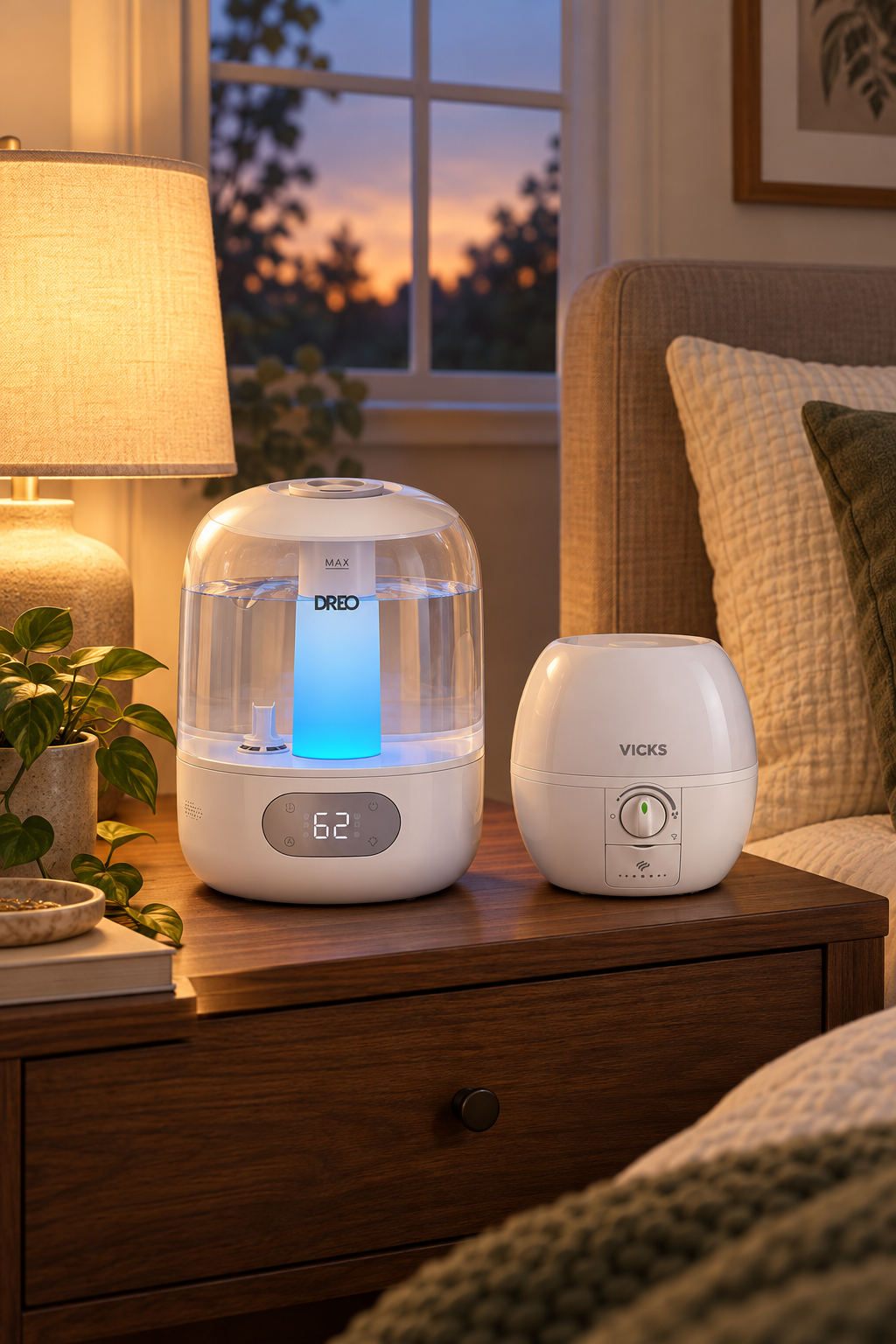
Small rooms make this easier to get wrong. A few placement rules that follow the EPA’s guidance:
- Set it on a hard, water-safe surface. That one is my own rule, not the EPA’s: I don’t put one on bare wood.
- Leave space so the area around it never turns damp. If it does, turn the output down or run it on and off.
- Keep drapes, carpet and tablecloths from getting damp.
- Stay away from your art and frames. The EPA names pictures as one of the places to watch for condensation.
If you’re building a reading corner by a cold window, our heated throw guide for small spaces is a good place to start, and so is our fall reading corner.

The cleaning schedule that keeps it from backfiring
This is the part people skip. The EPA’s recommendations:
- Empty the tank, wipe it dry and refill it every day.
- Clean portable humidifiers every third day: scrub off scale and film, then wipe dry.
- If you use a cleaner or disinfectant, rinse the tank well so chemicals don’t end up in the air.
- Clean it again when the season ends, and store it fully dry.
Stop using the humidifier and call your doctor if you notice breathing symptoms that seem tied to using it, even if you follow the maintenance steps. That’s the EPA’s line, and it’s worth taking at its word.
My rule now
Meter first, windows second, humidifier last. A number between 30 and 50 percent means I leave it in the closet. If the readings stay under 30 percent over several days and the room feels dry, I would try a clean humidifier on a low setting, follow the EPA’s care steps, and keep watching the humidity and the glass so condensation doesn’t start.